by Eric Feigenbaum
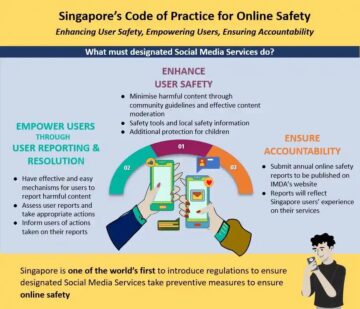
Singapore’s domestic debate is a matter for Singaporeans. We allow American journalists in Singapore in order to report Singapore to their fellow countrymen. We allow their papers to sell in Singapore so that we can know what foreigners are reading about us. But we cannot allow them to assume a role in Singapore that the American media play in America, that is, that of invigilator, adversary and inquisitor of the administration. No foreign television station had claimed the right to telecast its programs in Singapore. Indeed America’s Federal Communications Commission regulations bar foreigners from owning more than 25 per cent of a TV or radio station. Only Americans can control a business which influences opinion in America. Thus, Rupert Murdoch took up US citizenship before he purchased the independent TV stations of the Metromedia group in 1985.
When Singapore’s Founding Prime Minister Lee Kuan Yew spoke these words to the American Society of Newspaper Editors meeting in 1988, he could scarcely have imagined how the Internet and eventually social media would dramatically affect the very nature of the press and increase the number of voices engaged in political and other discourse.
Today not only is media ubiquitous but choosing your news and information sources to align with your pre-existing political and social outlook is not only available, but the norm. If the role of the Fourth Estate as a credible source of information has been compromised, it is equally undermined by hostile voices and even less credible sources able to find megaphones through social media. The information age is a din of voices making it harder than ever to get clear, unbiased news.
Media itself is now a topic in our national discourse. On October 29th, the Pew Research Center published findings that “only 56 percent of American adults now say they have a lot of or some trust in the information they get from national news organizations – down 11 percentage points since March 2025 and 20 points since we first asked this question in 2016.”
Further, “fewer than half of Republicans and Republican-leaning independents (44 percent) now say they have at least some trust in the information that comes from national news organizations. This is down from 53 percent in March and 70 percent in 2016, but it’s still above its lowest point in 2021, when 35% of Republicans expressed this level of trust in the national media.”
And Democrats? Read more »
 Art is dangerous. It’s time people remembered that and recognized the fullness of it. For if art is to remain important or even relevant in the current moment, then it’s long past time artists stopped flashing dull claws and pretending they had what it takes to slice through ignorance. We need them swallow their feel-good clichés and to begin sharpening their blades. We need dangerous art, and we cannot afford much more art that its creators believe is dangerous when it is not.
 Emma Wilkins’ excellent piece “





 Graham Foster from the