
by Akim Reinhardt
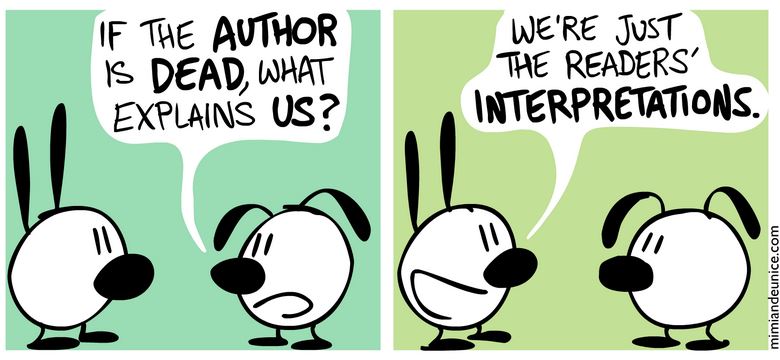 Art is dangerous. It’s time people remembered that and recognized the fullness of it. For if art is to remain important or even relevant in the current moment, then it’s long past time artists stopped flashing dull claws and pretending they had what it takes to slice through ignorance. We need them swallow their feel-good clichés and to begin sharpening their blades. We need dangerous art, and we cannot afford much more art that its creators believe is dangerous when it is not.
When people say Art is dangerous, they’re often bragging. Talking it up like a super hero. Evil had better beware: Art is here to save the day!
Oh my, she gasped, clutching her pearls. Why, how could art possibly do that?
Because it’s dangerous! It reveals the evil that masked villains seek to hide!
Such sentiments are naive. They are wishful thinking. And those sentiments are actually far more dangerous than the art typically produced by those who espouse such sentimets. Supposedly dangerous art often does little more than preach to the choir or wrap important points up in obfuscations that most audiences lack the inclination or even the background to unravel. Instead of puncturing sacred cows or shining a bright light on dark evils, much “dangerous” art merely creates illusions of damage amid billows of self-congratulation and self-satisfaction. When the smoke clears, all the same problems remain, and no one, save for perhaps professionals and other insiders of various art worlds, are any more enlightened, while the problems that had been targeted with “dangerous” art quietly and stubbornly linger. Read more »
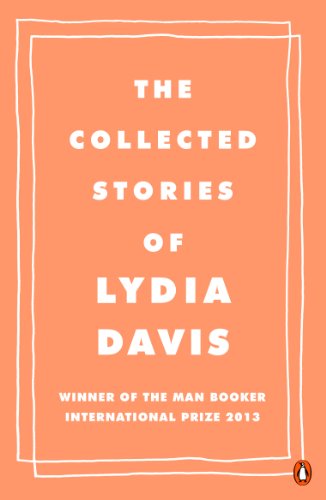 In one sense, the stories of the collection Almost No Memory, originally published in 1997 and reprinted in The Collected Stories of Lydia Davis in 2009, can be read as a psychological portrait of a middle-aged woman coming to terms with all the usual things life has to offer after a certain age: the convolutions of domestic discord, shrinking horizons, the sobering insight that very little can change us anymore. The voices are both many and one, converging in a polyphony of percipient anxiety and resignation: we hear “wife one,” an “often raging though now quiet woman” eating dinner alone after talking on the phone to “wife two”; a professor who fantasizes about marrying a cowboy, although she is “so used to the companionship of [her] husband by now that if I were to marry a cowboy I would want to take him with me”; and a woman who “fell in love with a man who had been dead a number of years.” There is also a woman who “comes running out of the house with her face white and her overcoat flapping wildly,” crying “emergency, emergency”; a woman who wishes she had a second chance to learn from her mistakes; and one who has “no choice but to continue to proceed as if I know altogether what I am, though I may also try to guess, from time to time, just what it is that others know that I do not know.” The list continues, from a woman wondering why she can become so vicious with her children to another whose mind wanders to sex at the sight of “anything pounding, anything stroking; anything bolt upright, anything horizontal and gaping” and one who is filled with “ill will toward one I think I should love, ill will toward myself, and discouragement over the work I think I should be doing.”