by Charles Siegel
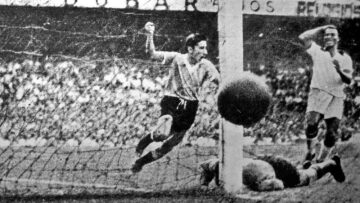
Last month I attended two conferences a week apart, one in Norway and one in Italy. The first conference was held in Bergen. From there, my law partner and I proceeded down the coast to Stavanger, for a meeting with a lawyer there about some potential cases.
Our meeting was late on the afternoon of November 16th. When we finished, we looked around for somewhere to have dinner. Most restaurants were closed on a Sunday evening in autumn, but eventually we found a decent place. As we walked back to our hotel afterward, we passed a pub and decided to go in and watch the soccer match that was playing on TV.
This turned out to be a World Cup qualifying match between Norway and Italy. There wasn’t actually much riding on the outcome; Norway was going to qualify unless it lost by nine goals or more, and Italy was going to stay alive but have to win an extra two matches to qualify, as part of an additional playoff round for European teams. But the fans in the pub were excited nonetheless.
When we sat down, the game was about midway through the second half, and the score was 1-1. It was clear, of course, that Norway was not going to lose by nine goals or anything close to that, and so they were going to the World Cup for the first time in 28 years. But even as the clock ticked down toward qualification, those in the pub still were hoping for a win.
And they got it, in lightning fashion: Erling Haaland, the bustling striker who plies his trade in the Premier League for Manchester City, scored two goals in two minutes. Norway added a fourth in stoppage time, and that was it. Jubilation for the Norwegian players, many of whom weren’t alive the last time Norway played in a World Cup, and humiliation for Italy, who were beaten at home and who now are in danger of missing the tournament for a third time running. Read more »
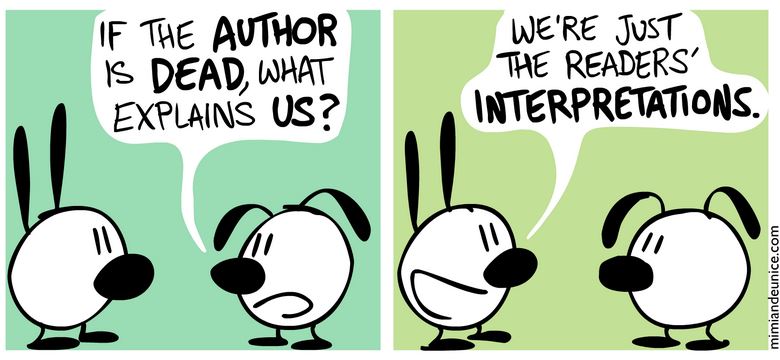 Art is dangerous. It’s time people remembered that and recognized the fullness of it. For if art is to remain important or even relevant in the current moment, then it’s long past time artists stopped flashing dull claws and pretending they had what it takes to slice through ignorance. We need them swallow their feel-good clichés and to begin sharpening their blades. We need dangerous art, and we cannot afford much more art that its creators believe is dangerous when it is not.
 Emma Wilkins’ excellent piece “



 Graham Foster from the