
by Michael Liss
I have a terrific pain in the back of my head.
—Franklin Delano Roosevelt, April 12, 1945.
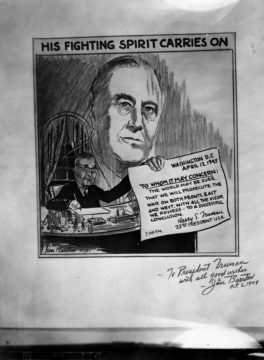
It was all so fast. Just moments earlier, FDR was sitting for an official portrait, reading the newspapers, writing a few notes. Now, after 12 years of turmoil, World War and Depression, he is gone, work unfinished. Within hours, his successor, Harry S. Truman, is sworn in, and, for the first time, is told of the Manhattan Project. The awesome moral responsibility for the use of nuclear weapons falls on his shoulders, and a bullseye appears on his back.
The fact is that Vice Presidents are pretty much non-entities, supporting actors in a one-man play, unless and until they suddenly become the most important person in the world. History shows us that this occurs far more often than simple mortality tables might suggest. By one estimate, being President is about 27 times more dangerous than being a lumberjack.
The authors of the Constitution understood this, but, after vigorously debating the extent of Executive Power and the interrelationship of the three branches of government, and creating the future monster known as the Electoral College, they flickered out a bit when it came to figuring out Presidential succession beyond the elevation of the VP. Instead, they kicked the can to Congress in Article II, Section 1, Clause 6, to declare which “Officer” would act as President if both the President and Vice President died or were otherwise unavailable to serve during their terms of office “until the disability be removed, or a President shall be elected.” Read more »
 Early in the story of
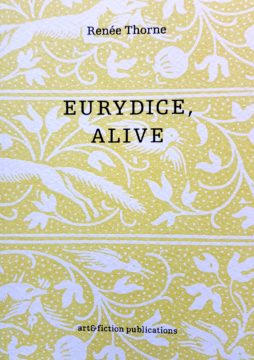 You’ve heard the story before. The poet Orpheus, celebrated for the enchanting quality of his voice, is grieving the sudden death of his young wife Eurydice. In his despair he resolves to harrow the Underworld, where he so impresses the god Hades with his singing that he is permitted to retrieve the shade of his bride and return with her, newly embodied, into the light—on one condition: that he not look back at Eurydice until they have attained the realm of the living. All is proceeding according to plan, and the pair have nearly made it to the world above, when Orpheus, overcome by the suspicion that he has been swindled, turns to assure himself that his silent wife is still following him—only to see her flee away, this time forever, back into the shadows.
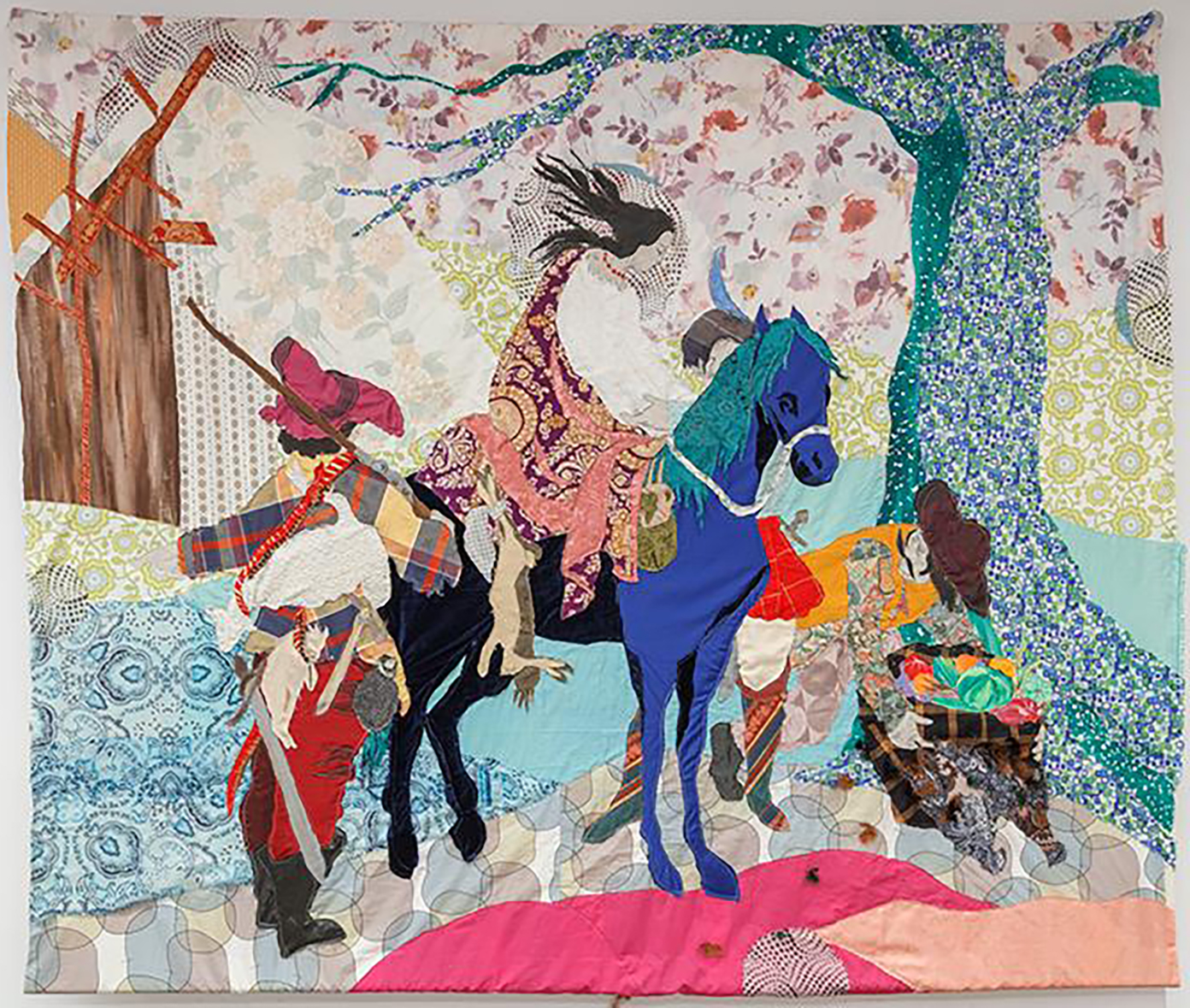 Małgorzata Mirga-Tas. Out of Egypt. 2021
 Death was already about me. I’d recently written two death songs. Not mournful, but peaceful and welcoming. No reason. They just seeped out of me. Then came the Covid infection. It must’ve found me in upstate New York while vacationing with friends.

 Gérard Roland came to Berkeley only around the turn of this century. He grew up in Belgium, was a radical student, and after the student movements of Europe subsided, he supported himself for a time by operating trams in the city. When he was wooing his girlfriend (later wife), Heddy, she used to get a free ride in his trams. (A few years back when I visited them one summer in their villa in the Italian countryside near Lucca, Heddy told me in jest that those days she was content with a free tram ride, but now she needed a house in Tuscany to be placated). Gérard is also a good cook.
 Every hour of every day I hear the pulsating rush of le Periph and I am reminded that Paris is dead. My dorm is at the very bottom of Paris such that if the city were a ball I’d be the spot that hits the ground. I sit in my windowsill. I watch cars drive on the highway in an unending flow, like blood in veins, fish in streams, but they’re all metal idols of life. Life does not go this fast. Life stops to take a rest.
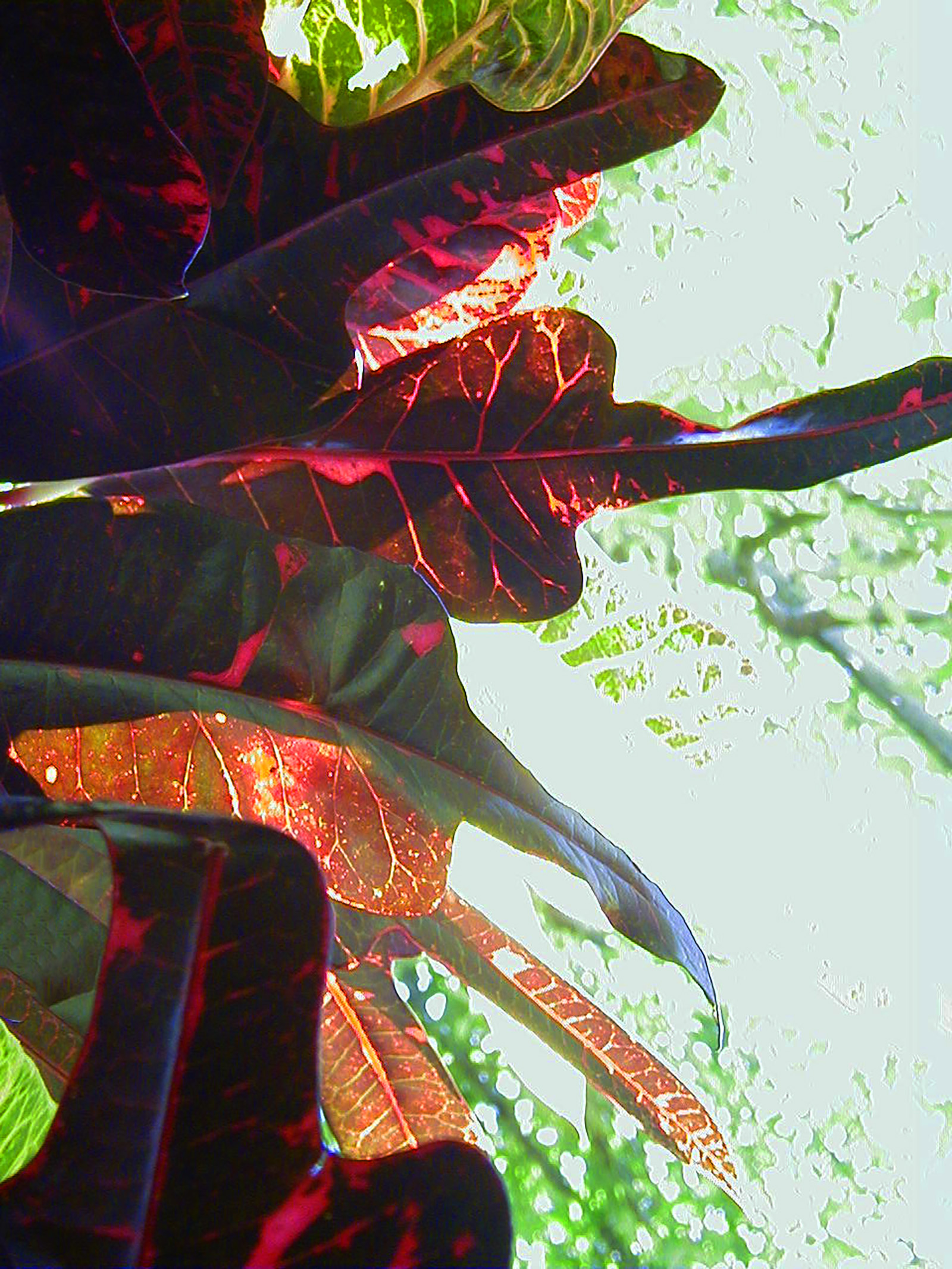 Sughra Raza. Color Burst, Costa Rica 2003.
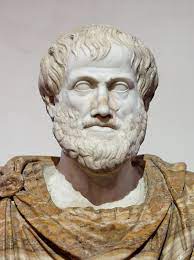 For many of the ancient philosophers that we still read today, philosophy was not only an intellectual pursuit but a way of life, a rigorous pursuit of wisdom that can guide us through the difficult decisions and battle for self-control that characterize a human life. That view of philosophy as a practical guide faded throughout much of modern history as the idea of a “way of life” was deemed a matter of personal preference and philosophical ethics became a study of how we justify right action. But with the recognition that philosophy might speak to broader concerns than those that get a hearing in academia, this idea of philosophy as a way of life