by Terese Svoboda
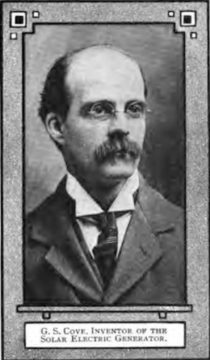
The year 1909 was the first time George H. Cove vanished. He claimed he was kidnapped and threatened with death if he continued developing his patent on solar panels. One story has it that an investor arranged the kidnapping to discredit him, and that instead of death, he was offered a furnished house and $25,000 (almost a million dollars in today’s money) if he would cease promotion of his solar panels. Newspapers went crazy and he was subsequently accused of arranging the kidnapping as a publicity stunt. But Cove already had plenty of publicity, one would say too much, newspapers lauding his efforts and investors pouring money into his work.
The police dismissed the kidnapping as a hoax. Were they paid off? His rivals, Edison, Westinghouse, and Standard Oil, were notorious in stamping out competition. All three were known to use extreme measures to protect their market share. Cove had been fronted (framed?) by Elmer Burlingame, who issued stock he did not own in Cove’s Sun Electric Generator Company. When this was revealed, investors went sour. In 1911, after raising $160 million in today’s money, his company declared bankruptcy. Cove was arrested for stock fraud and went to jail for a year. Perhaps he should have gone into stealth mode.
“Given two days’ sun, it will store sufficient electrical energy to light an ordinary house for a week” was Cove’s pitch.While his solar panels didn’t generate much electricity in comparison with Westinghouse and Edison’s inventions, he’d invented something much more important, the photovoltaic generator, that is, a way to get electricity directly from the sun. He did not understand how the solar panel worked, but neither did anybody else at the time. This technology would not be investigated again until the 1950s at Bell Labs, and then with silicon rather than the simpler version that Cove stumbled on. Read more »
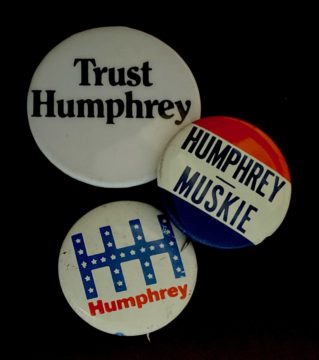 The broken-down jalopy that was Hubert Humphrey’s campaign wheezed its way out of Chicago and headed…anywhere but there. The Convention was an utter disaster. The only “bump” in the polls was a shove backwards, and Humphrey seemed to have nothing with which to shove back. He had no coherent message on the biggest issue of the day—Vietnam. He was working for an absolutely impossible boss, LBJ, who demanded complete loyalty and delighted in humiliating him. His campaign was broke…it literally didn’t have enough money to pay for orders of Humphrey buttons.
 I teach at a large, public university in the mid-Atlantic region of the United States. For about a decade now, the upper administration has had a habit of sending “comforting” emails whenever there’s a major school shooting. Of course there are far too many school shootings in America to send a note for each one, so I suppose the administration tries to keep it “relevant,” for lack of a better word. These heartfelt missives arrive in my Inbox once or twice a year, typically after some lunatic shoots up a college campus. So far as I can tell, they go to everyone. To every faculty member, staff member, and student on campus. To 25,000 people or more.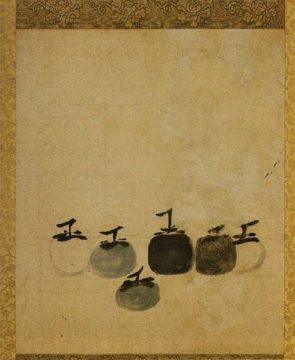
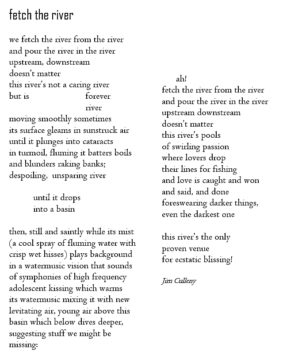
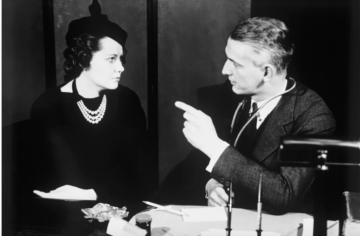
 Will re-branding Covid help people start acting to protect themselves from it? Maybe we need an ad campaign to kick-start public health. Outside of judicial rulings and before marketing, we had religious leaders to remind us to the best ways to survive, and before that we had stories passed down for generations to help keep children safe from harm by altering their behaviour,
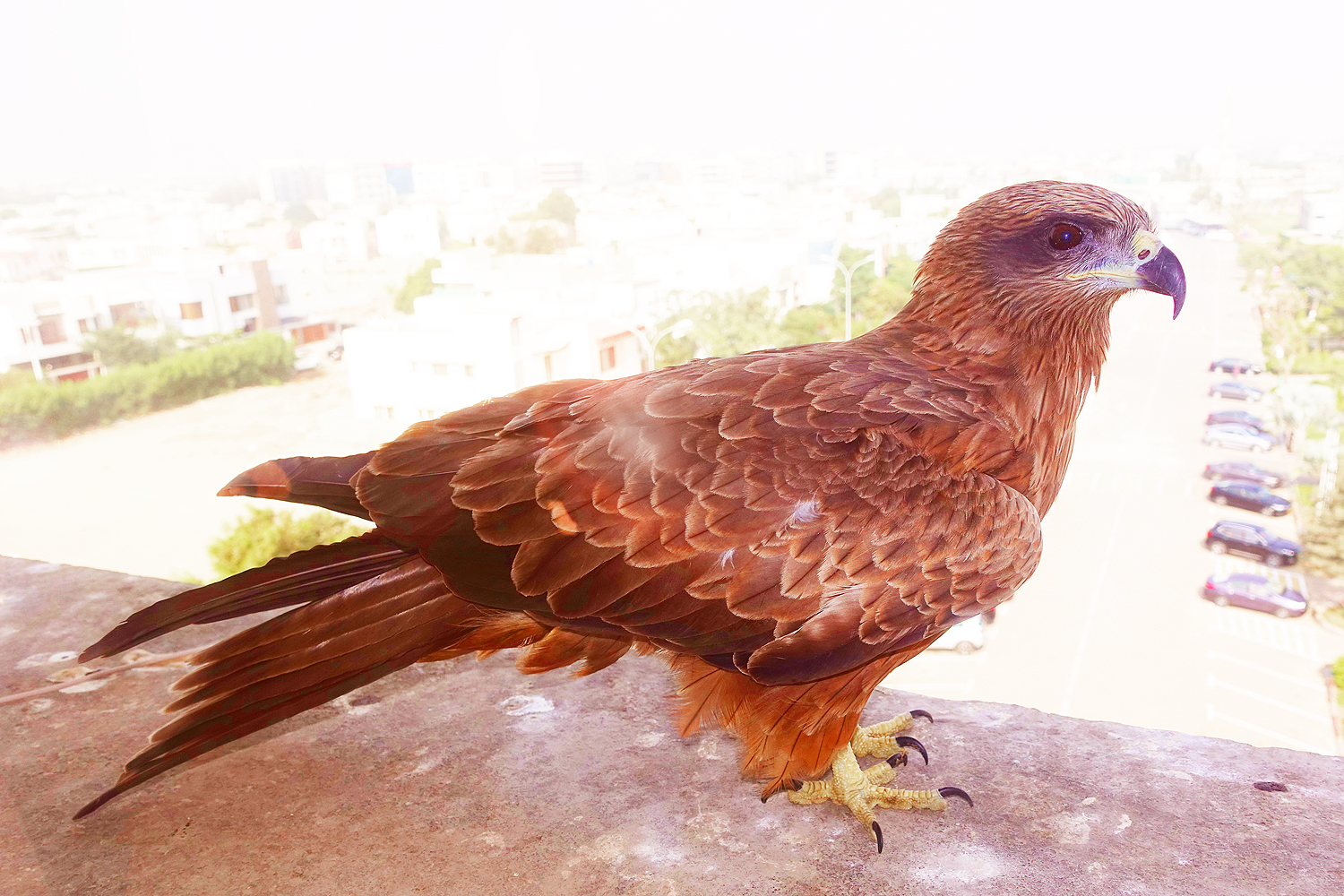
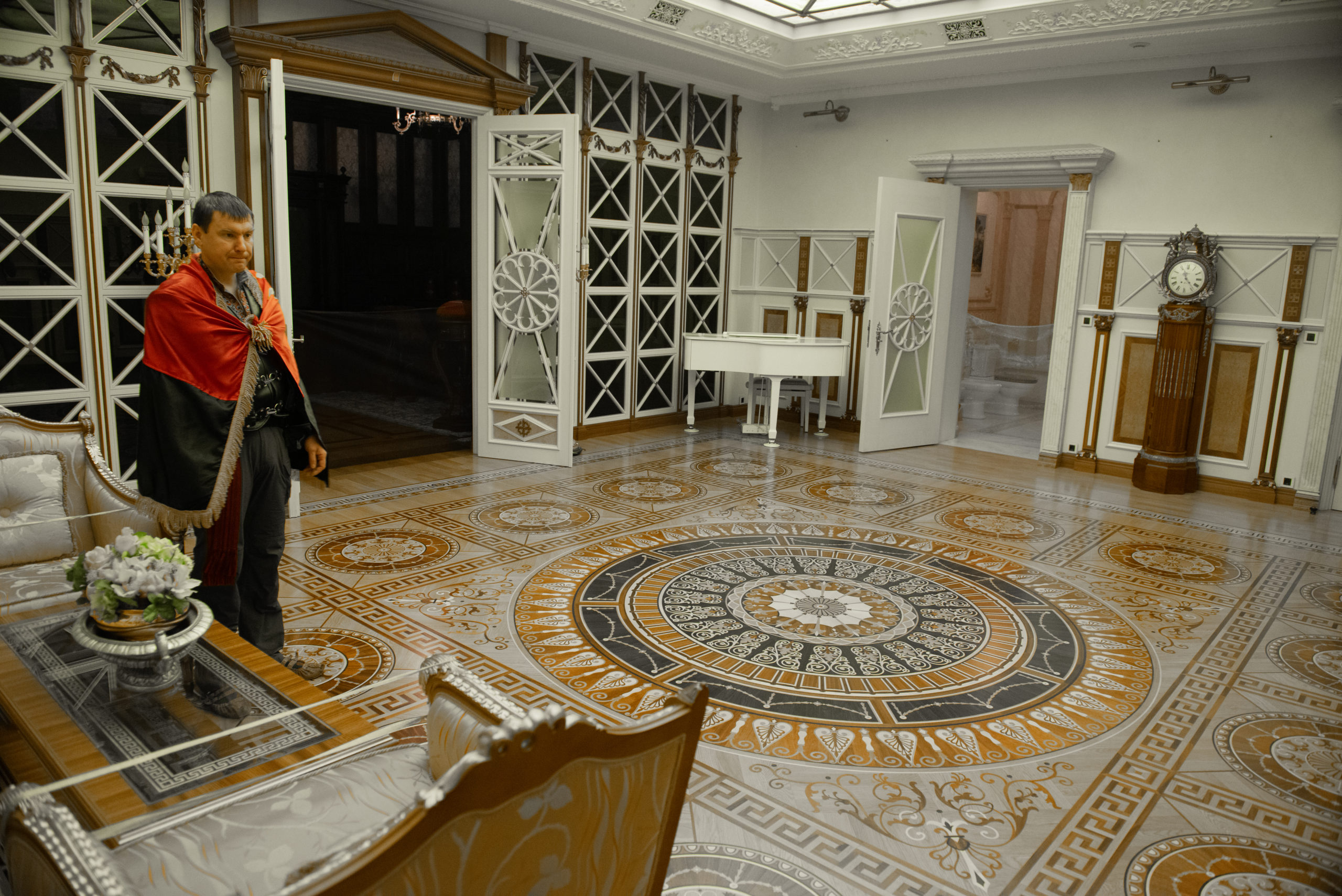
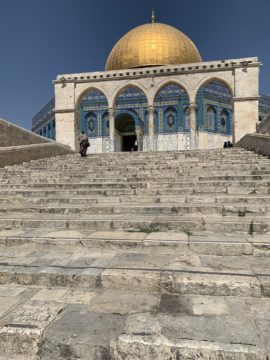 Masjid Al Aqsa, or The Far Mosque of Jerusalem, as the Quran calls it, is emblematic of the spirit of compassion and transcendence for Mevlana Rumi. “A heart sanctuary,” in the words of Rumi in his poem “The Far Mosque,” Al Aqsa represents a conquest over the egoistical desires of dominance, greed, vanity, violence and supremacy. It is held together by the sacred energy of merciful love, even “the carpet bows to the broom/the door knocker and the door swing together/like musicians.”
 In 2016,