by Thomas R. Wells
Americans dominate global (social) media and one result of this is that the rest of the world is overexposed to Americans’ ideas, and also to their ideas about themselves. One such idea that is more or less endlessly repeated is that even middle-class Americans are actually poor these days.
I accept that many Americans are perfectly sincere in this belief but that doesn’t make it true, whether one defines poverty in terms of meeting basic needs, or as a relative decline between generations or between America and other nations. Yes – some Americans are poor, really poor by any reasonable standard. But not most Americans, or the average (median) American, which is the claim I see constantly.
The evidence shows that most Americans are richer than ever, and richer than most people in the rich world – that they consume more, live in larger homes, and so on. They are objectively some of the luckiest people in world history. On the one hand all this narcissistic whining about imaginary poverty is mildly annoying for the rest of the world to have to listen to. On the other hand, it reflects shared delusions about individual entitlements and America’s economic decline that are driving a toxic ‘doom politics’ of cynicism and resentment, while also neglecting the needs of actually poor Americans.
Two misunderstandings in particular seem to drive the mistake: that everything is more expensive these days, and that the rich took all the money. Read more »
 book that convulsed me with giggles. It was a collection of cartoons by Abner Dean called What Am I Doing Here? I couldn’t read, and I didn’t understand what was happening in the pictures, but the people in the cartoons were naked! You could see their tushies! It just cracked me up.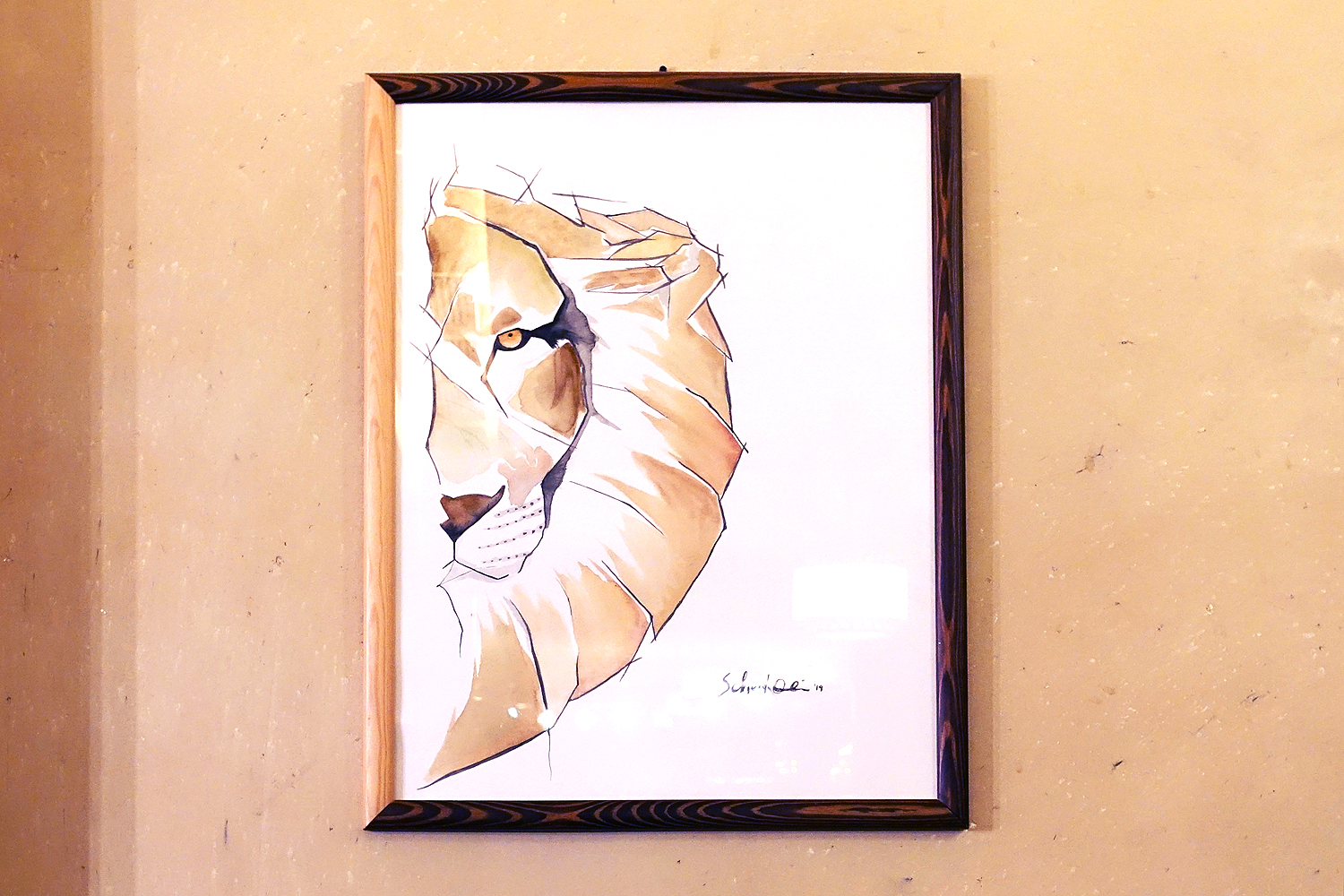

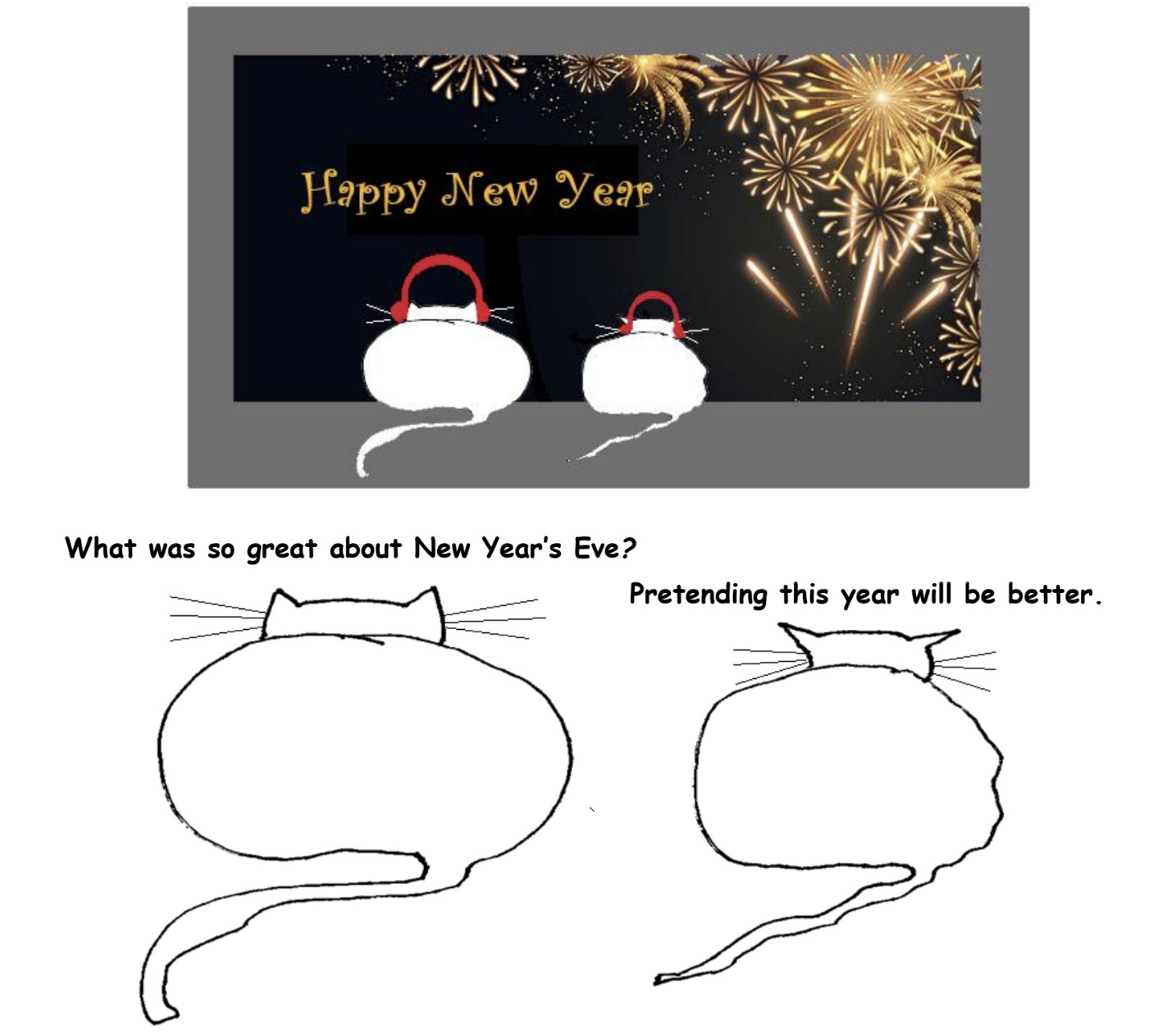
 January 1, 2024. Happy New Year! Just eleven months and five shopping days before Election 2024. Whether you find it comforting that 2024 also happens to contain an extra day might be the best marker of how Political Seasonal Affective Disorder has impacted you. Personally, I haven’t been sleeping particularly well.
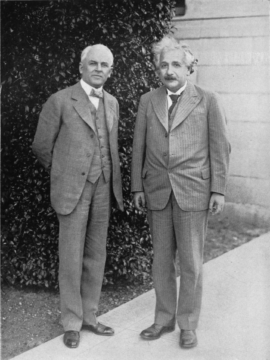 The photograph beside this text shows two men standing side by side, both scientific celebrities, both Nobel prizewinners, both of them well-known and well-loved by the American public in 1932, when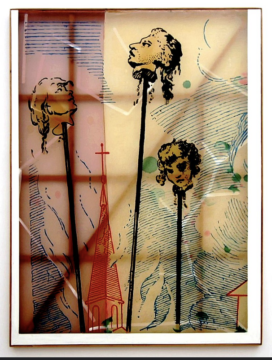



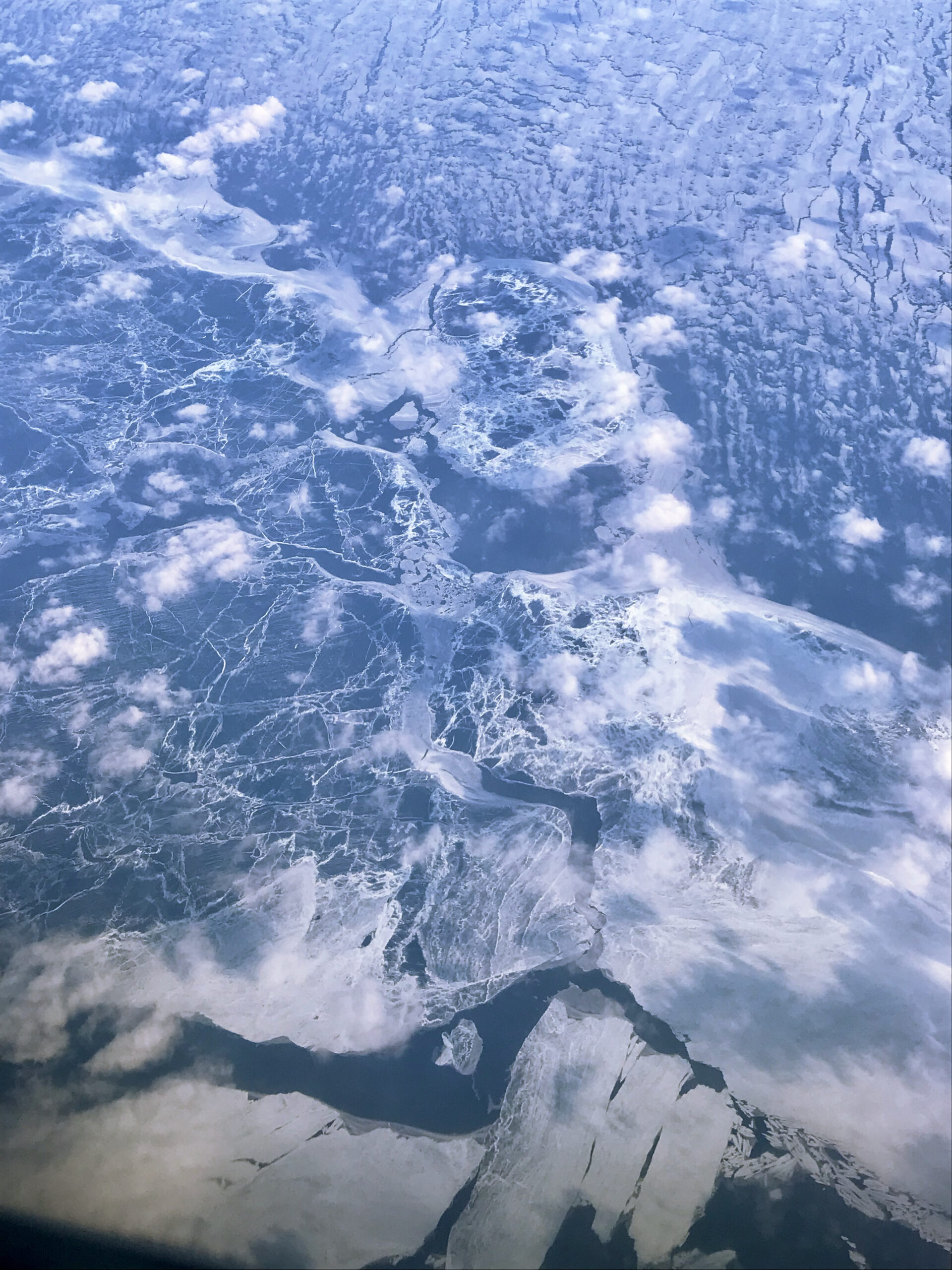 Sughra Raza. Breaking Point.


 Two weeks after my wife died this past October, she briefly returned. Or so it seemed to me.
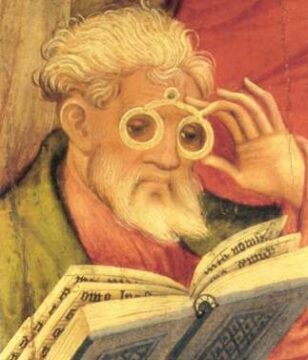 I’m haunted by the enormity of all of that which I’ll never read. This need not be a fear related to those things that nobody can ever read, the missing works of Aeschylus and Euripides, the lost poems of Homer; or, those works that were to have been written but which the author neglected to pen, such as Milton’s Arthurian epic. Nor am I even really referring to those titles which I’m expected to have read, but which I doubt I’ll ever get around to flipping through (In Search of Lost Time, Anna Karenina, etc.), and to which my lack of guilt induces more guilt than it does the real thing. No, my anxiety is born from the physical, material, fleshy, thingness of the actual books on my shelves, and my night-stand, and stacked up on the floor of my car’s backseat or wedged next to Trader Joe’s bags and empty pop bottles in my trunk. Like any irredeemable bibliophile, my house is filled with more books than I could ever credibly hope to read before I die (even assuming a relatively long life, which I’m not).