by Derek Neal
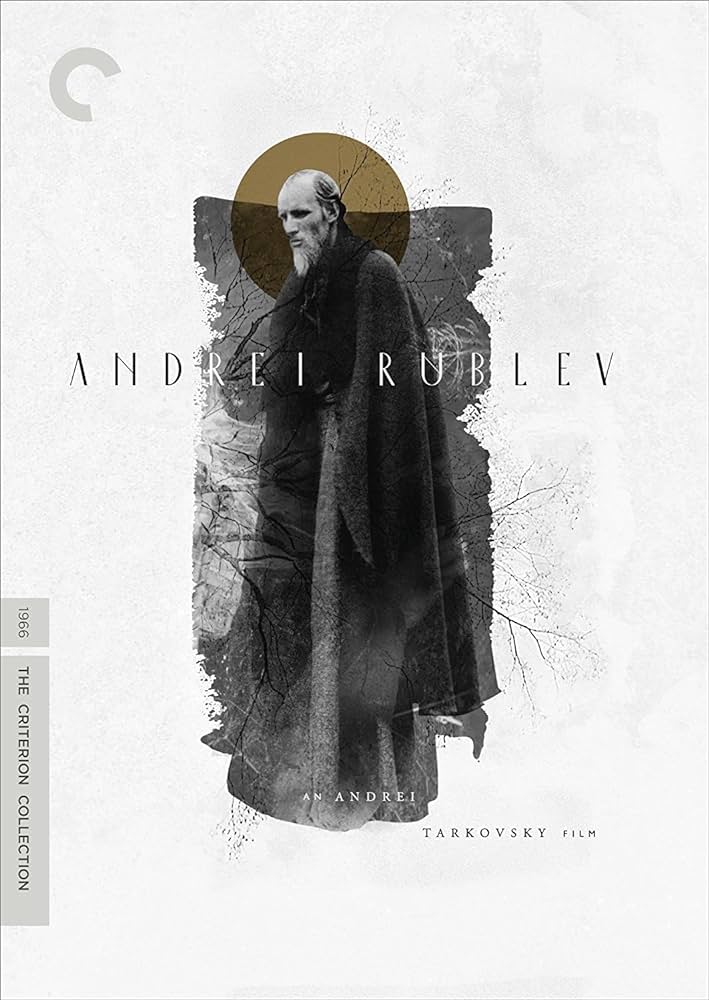
1.
Three men walk across a desolate landscape. They are dressed in robes, but they might as well be rags. One is barefoot, and the ground is muddy. Who are they? Where are they going?
“There must be lots of painters in Moscow,” the one called Daniil says.
“No matter, we’ll find some work,” the one called Kirill replies.
They are monks, they paint icons. It is 1400. We understand that they have been together many years. It begins to rain, and the one called Andrei, the youngest one and the most talented, seeks shelter under a tree.
“Come on,” the others say, we’ll be alright. They move on into the storm. From this point on, their unity will begin to break.
2.
Some years later Kirill wanders into a workshop. He thinks he is alone, but he comes across another man reclining on a bench. This man is called Theophanes the Greek. Outside, a heretic is being tortured; inside, all is cool and calm. Kirill begins to admire the paintings he sees, and Theophanes realizes he is in the presence of a man of a certain intelligence. Read more »
 The last time I see Sam she’s sitting at the vanity in her bedroom, carefully examining her 16 year-old face in its lighted mirror.

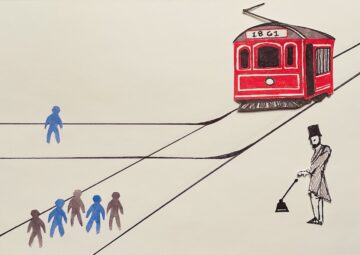 Did we need to have a Civil War? Couldn’t the two sides, geographically defined as they were, simply part before the shooting started? Did Lincoln intentionally choose war for any one of a variety of unworthy reasons that stopped short of necessity, including even something so mundane as a fear of losing face? Or was he faced with an intractable situation for which there was no simple, satisfactory answer—a type of political Trolley Problem?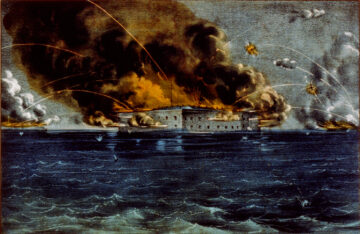


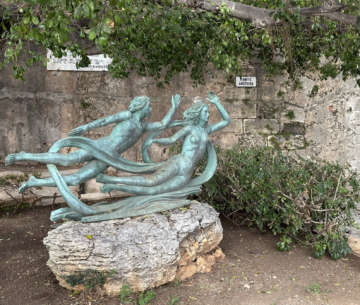
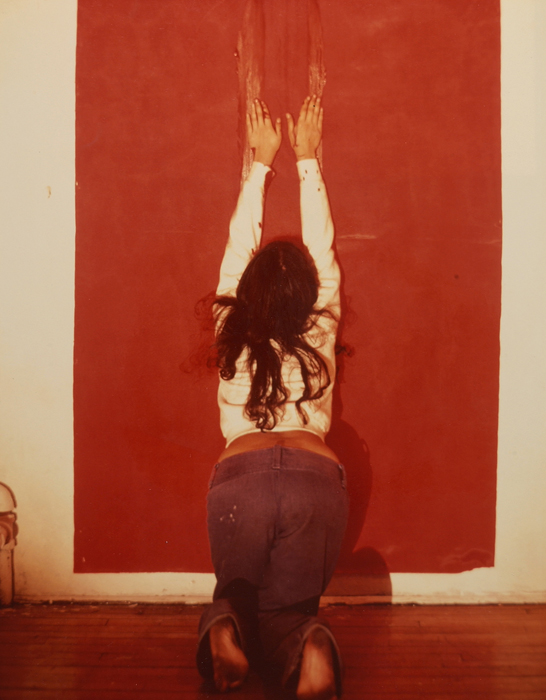 Ana Mendieta. Body Tracks, 1974.

 I recently binge-watched all of
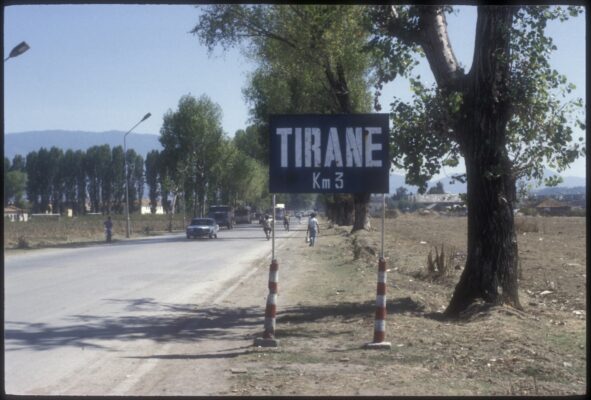 The Balkans isn’t everybody’s first choice for summer holiday, but that’s where we’re headed this year. First we’re flying to Chișinău, while we still can, and I don’t mean to be flip. Forgive my wavering confidence in Western guarantors of freedom, democracy and territorial integrity.