
by Thomas Wilk and Steven Gimbel
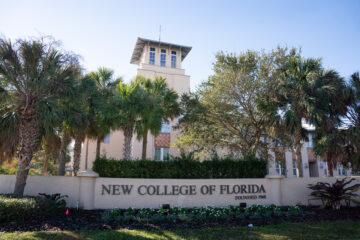
Last month’s open mic night at New College of Florida revealed more than just the comedic ineptitude of its administrators; it exposed the underbelly of a culture clash at the heart of the academic institution. Amidst the cultural war that has engulfed New College, following a takeover by figures appointed by Governor Ron DeSantis, the event was meant to be a light-hearted affair. Instead, it turned into a public spectacle with calls for a dean’s ouster and New College claiming a victory over cancel culture.
Hosted as part of a comedy course, the night featured a routine by Dean of Students David Rancourt that included jokes about a 7-year old boy exposing himself to a girl at the bus stop, violation by a drill sergeant’s baton, and a forced choice between death and “bunga bunga.” The jokes elicited a mix of reactions from the audience. Even New College President Richard Corcoran, who followed Rancourt’s performance, noted the abundance of gay jokes in the set. Corcoran jokingly called Rancourt his “former” dean of students, but, after his homophobic routine, some in the community wish that it wasn’t a joke.
In response to outrage from students and the media, the university gave a statement to The Sarasota Herald-Tribune: “Cancel culture is over at New College. Comedy is a work of art, one that is reliant on our society’s tenets of free speech and free expression. New College supports its students, faculty and staff’s right to participate in artistic endeavors like a comedy performance, or any other civil exercising of free speech and free expression.”
The College is making a common mistake about the ethics of humor. We’d know because we wrote the book on it. The mistake is to think that just because an act is intended to be humorous it must be beyond the scope of moral judgment. Read more »
 In
In 

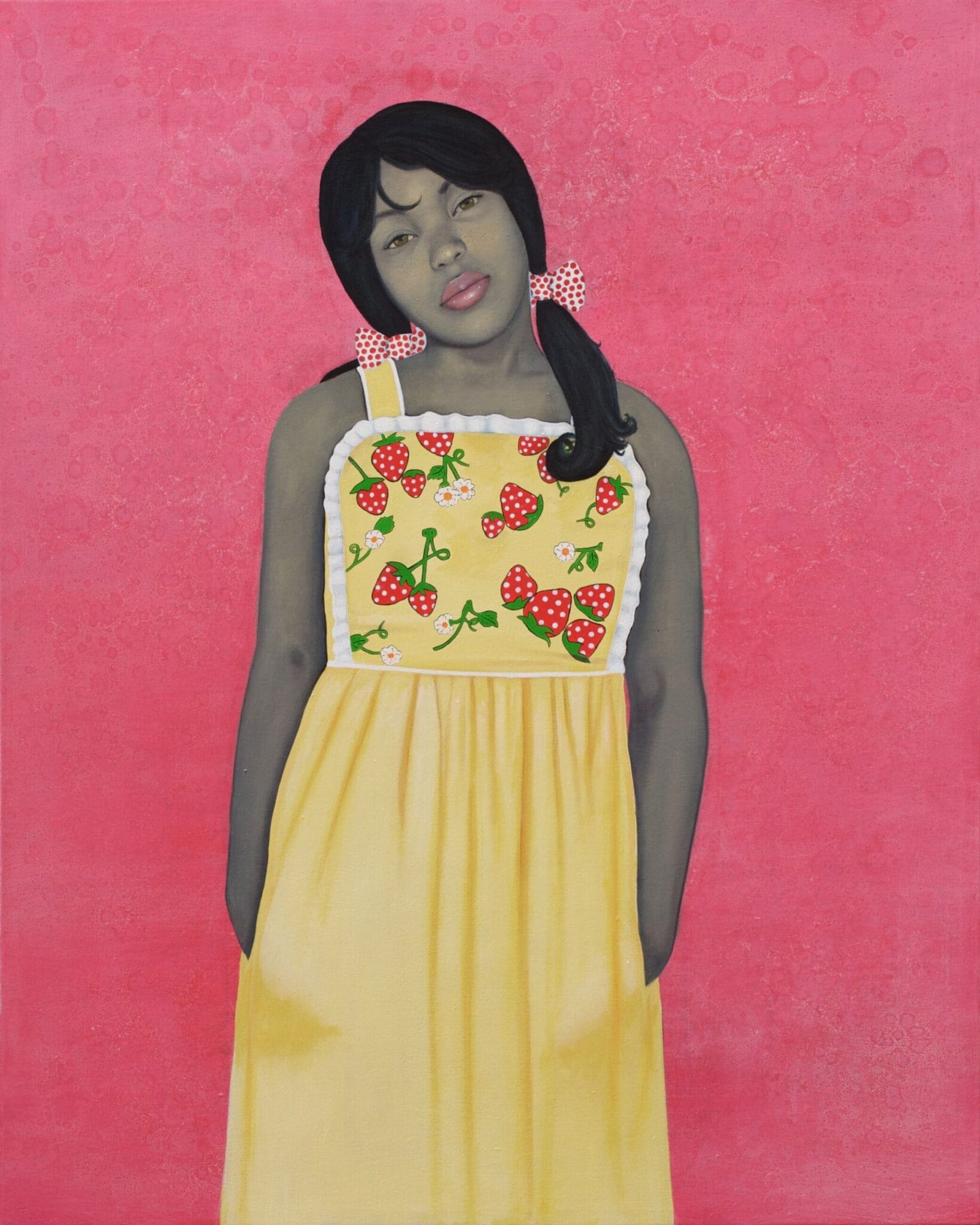 Amy Sherald. They Call me Redbone but I’d Rather Be Strawberry Shortcake, 2009.
 In November 2023, in an essay for the German national newspaper die taz, I wrote that Germany’s Jews were once again afraid for their lives. It was—and is—a shameful state of affairs, considering that the country has invested heavily in coming to terms with its fascist past and has made anti-antisemitism and the unconditional support of Israel part of its “Staatsräson,” or national interest—or, as others have come to define it, the reason for the country’s very existence. The Jews I’m referring to here, however, were not reacting to a widely deplored lack of empathy following the brutal attacks of October 7. In an open letter initiated by award-winning American journalist Ben Mauk and others, more than 100 Jewish writers, journalists, scientists, and artists living in Germany described a political climate where any form of compassion with Palestinian civilians was (and continues to be) equated with support for Hamas and criminalized. Assaults on the democratic right to dissent in peaceful demonstrations; cancellations of publications, fellowships, professorships, and awards; police brutality against the country’s immigrant population, liberal-minded Jews, and other protesting citizens—the effects have been widely documented, but what matters most now is now: the fact that the German press is still, four months later, nearly monovocal in its support of Israel and that over 28,000 civilians, two-thirds of them women and children, have died.

 by David J. Lobina

 ew years, I keep getting stuck on the same question: Don’t these people have grandchildren? How can corporate decision-makers spend their days actively working to destroy the environment, pollute the water, kill off the animals, melt the glaciers, and incinerate the biosphere? Even if what they care about the most is making more money no matter how much money they already have, don’t they care at all about the world they’re leaving for their kids?

 In
In 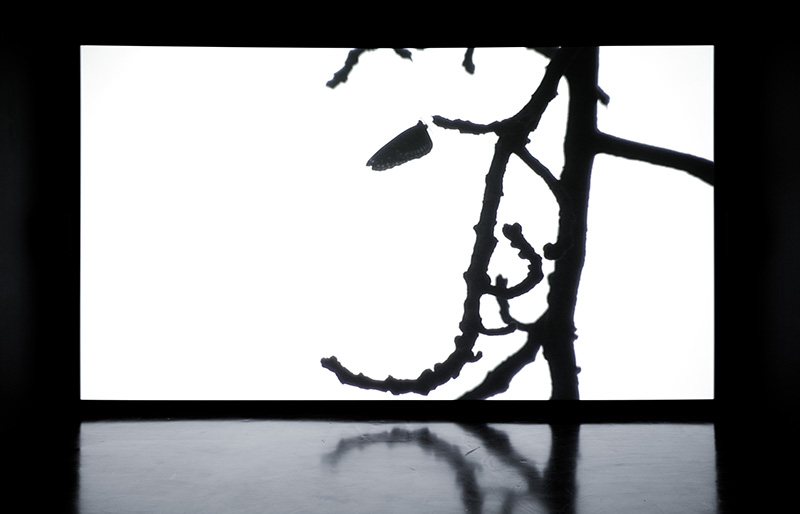 Amar Kanwar. The Sovereign Forest, 2011- …