by Ashutosh Jogalekar
Bill Lanouette is the author of “Genius in the Shadows“, the definitive biography of the Hungarian-born American physicist Leo Szilard. Szilard was one of the most creative and far-seeing minds of the 20th century, imagining before anyone else both the reality of nuclear weapons and the seismic political and social changes that would be needed to contain them. As a multidisciplinary thinker without parallel, he contributed deeply to physics, engineering, politics and biology, while having original opinions on virtually every other subject.
Szilard wrote the famous letter that Einstein sent to President Franklin Roosevelt warning about German’s possible efforts to develop an atomic bomb, started an organization to help Jewish refugee scientist find jobs, tried to argue for international control during his work on the Manhattan Project, went straight to the top to convince leaders like FDR, Truman and Khrushchev to work together to secure the peace and, by acting as an “intellectual bumblebee”, inspired the pioneering work of thinkers as diverse as Claude Shannon, James Watson, Francis Crick and Francois Jacob. If he had lived today, Szilard would have been as much at home in the corridors of power in Washington as in the garage startups of Silicon Valley. He would be what we would call today an “uber-influencer”, in the very best sense of the term.
But, unlike many of his famous contemporaries, Szilard remains the “genius in the shadows”, often ignored in conventional histories and movies about nuclear weapons and the Manhattan Project. Bill and I have a conversation about this remarkable man’s life and legacy and his enduring lessons for our time. For viewers with specific interests, I have broken the video into convenient topical segments which you can view by hovering over them. Read more »

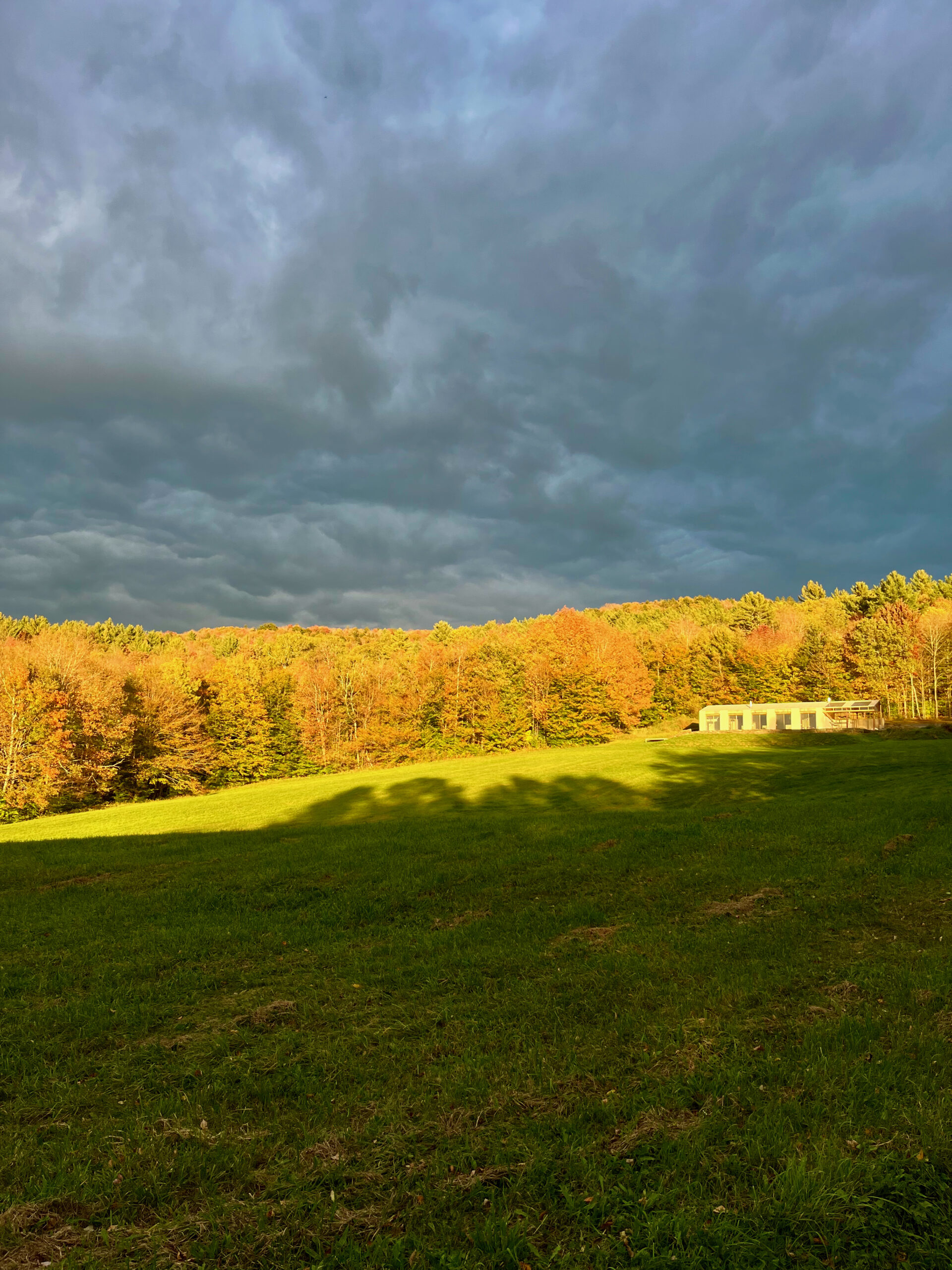 Sughra Raza. Let Me Just Absorb Today.
 There is no genuinely effective lyric poem unless there is a line which lodges itself in the brain like a bullet. Often – though not always – these lines are the first in a poem, the better to abruptly propel the reader into the lyric. William Wordsworth’s “I wandered lonely as a cloud,” Walt Whitman’s “I celebrate myself, and sing myself,” or Langston Hughes’ “I’ve known rivers.” For example, John Donne and Emily Dickinson are sterling architects of not just the memorable turn-of-phrase, but the radiant introductory line as well. Think “Batter my heart, three-person’d God” or “I heard a Fly buzz – when I died.”


 In
In 

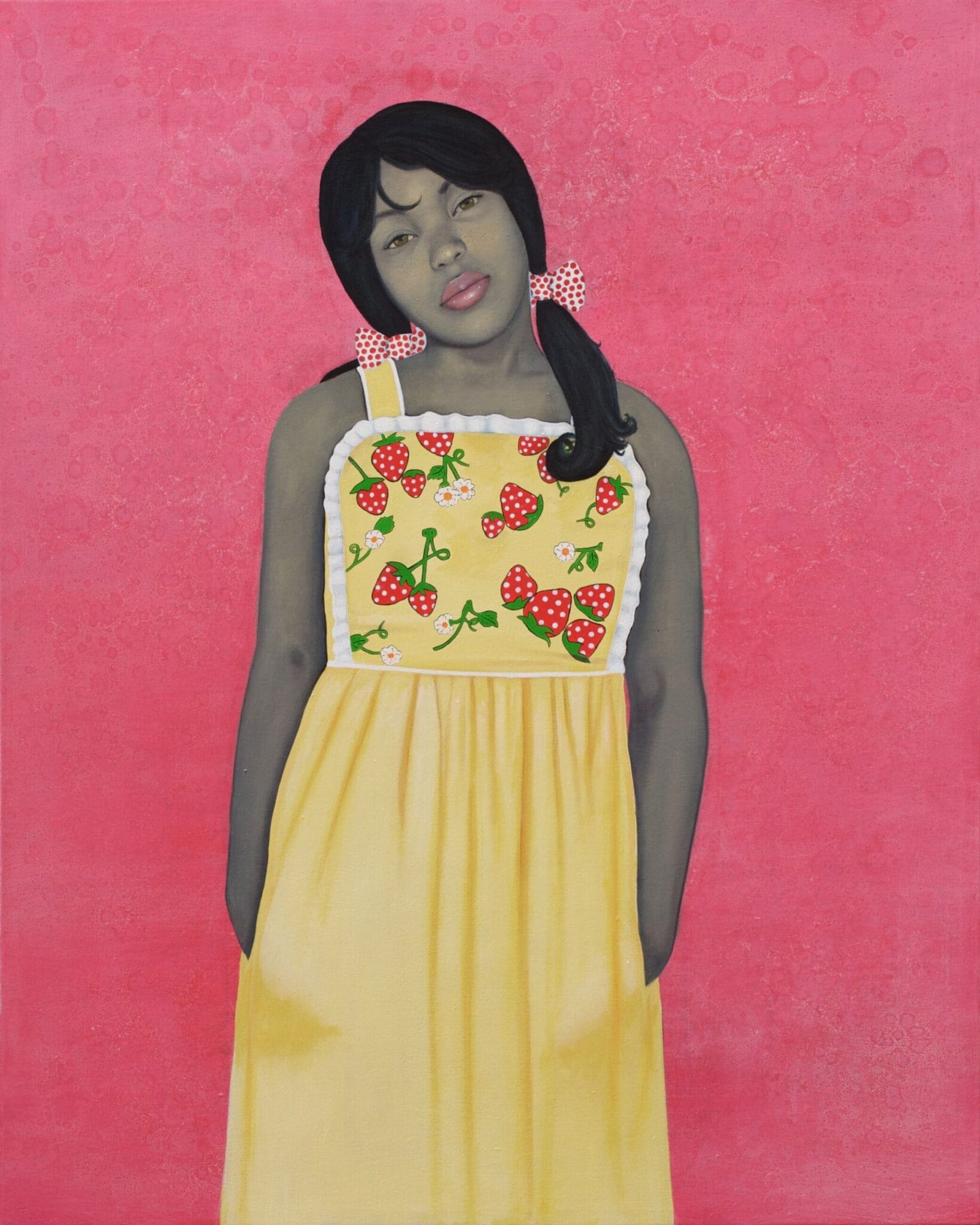 Amy Sherald. They Call me Redbone but I’d Rather Be Strawberry Shortcake, 2009.
 In November 2023, in an essay for the German national newspaper die taz, I wrote that Germany’s Jews were once again afraid for their lives. It was—and is—a shameful state of affairs, considering that the country has invested heavily in coming to terms with its fascist past and has made anti-antisemitism and the unconditional support of Israel part of its “Staatsräson,” or national interest—or, as others have come to define it, the reason for the country’s very existence. The Jews I’m referring to here, however, were not reacting to a widely deplored lack of empathy following the brutal attacks of October 7. In an open letter initiated by award-winning American journalist Ben Mauk and others, more than 100 Jewish writers, journalists, scientists, and artists living in Germany described a political climate where any form of compassion with Palestinian civilians was (and continues to be) equated with support for Hamas and criminalized. Assaults on the democratic right to dissent in peaceful demonstrations; cancellations of publications, fellowships, professorships, and awards; police brutality against the country’s immigrant population, liberal-minded Jews, and other protesting citizens—the effects have been widely documented, but what matters most now is now: the fact that the German press is still, four months later, nearly monovocal in its support of Israel and that over 28,000 civilians, two-thirds of them women and children, have died.