
by Nils Peterson
I. The Best Meal Ever
My mother’s father died during, but not because of, WWII and so she went back to Sweden on the first possible boat – 1946 – September leaving my father, brother, and me to get along. I, soon to be 13, had just started high school.
We’d always walked home from Evergreen Grammar School for lunch which mother made for us, then back again to school. It must have been an hour break and the walk was not short. But now we had to do other. There was a lunch program at the grammar school my brother went to, and there was a cafeteria at my high school. If you ate quickly, you could go out and pitch pennies against the curb of the graceful, curved driveway with the other guys – the trick was to toss your penny up close but not to touch the curb. if you touched it, you lost your coin. If you were closest, you got to pick up all the pennies which would jingle comfortably in your pocket all afternoon. Maybe “Open the Door, Richard” was the big song, at least for me, though lurking somewhere by way of I think by way of Life Magazine was Slim Gaillard’s “Cement Mixer, Putti, Putti.” But I liked a lot of things on Your Hit Parade too.
But some days I would meet my father for lunch. The war had given him a place where his ability could be recognized – and he moved from the maintenance department – his first job with Mack Motors, the company he’d joined to help with the war effort passing the chauffeur’s job, which he liked, over to Victor Nicholson – to night foreman, to day foreman, to plant manager, this from a man who had to leave school at the age I was at that moment and go to work in a factory which then made two thirds of the world’s stick matches.
So I’d walk out of Plainfield High School, up Park avenue to the White Tower and my father would drive down to meet me and we lunched side by side – sitting on stools before the counter with other working men – my father dressed now in a suit – and we’d order hamburgers made of thin slices of ground meat, topped with grilled onions and slices of sour pickle. I don’t think the world, our world, had yet discovered French fries. The bun was soft. I don’t think we added ketchup. Maybe my father did. Fifteen cents they cost, maybe a dime, but the fancy lunch my godmother was cooking for the rich up on Hillside Avenue was not more heavenly than this gritty texture of meat, tart sharp salt taste of pickle, and onions, the onions, a heaven of fried onions –their taste, their smell, the crispness of the ones slightly burned – and sitting there on stools side by side with my father in this lunch heaven of working-male energy, our varied futures waiting outside the door to carry us away when the milky coffee was finished. Read more »
 Of all the jobs I have had over the long years of working, from being


 Anjum Saeed. Untitled (After Rumi). 2012.
 In October last year, Charles Oppenheimer and I wrote a
 infamous lepidopteran, Cydia pomonella, or codling moth. The pom in its species names comes from the Latin root “pomum,” meaning “fruit,” particularly the apple (which is why they’re called pome fruits), wherein you’ll find this worm. It’s the archetypal worm inside the archetypal apple, the one Eve ate. (Not. The Hebrew word in Genesis, something like peri, just means “fruit.” No apple is mentioned. And please, give the mother of all living a break.)


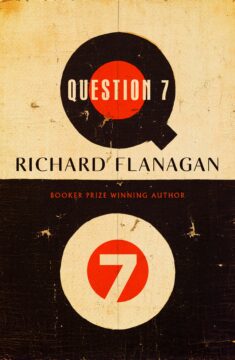 The Australian author Richard Flanagan is the 2024 winner of the prestigious Baillie Gifford Prize for Non-Fiction for his book Question 7. The book is a brilliant weaving together of memory, history, of fact and fiction, love and death around the theme of interconnectedness of events that constitute his life. Disparate connections between his father’s experience as a prisoner of war, the author H.G. Wells, and the atomic bomb all contributed towards making Flanagan the thinker and writer he is today. The book reveals to us his humanity, his love of family and of his home island of Tasmania; it is what Flanagan expects of a book when he says, ‘the words of a book are never the book, the soul is everything’, and this book has ‘soul’.
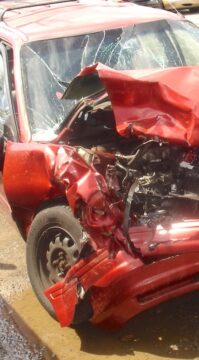 After I moved from the UK to the US it took me only a couple of years to cede to my friends’ pleas and start driving on the right. When in Rome, and all that. But I still like to irritate Americans by maintaining that we Brits are better at this essential mechanical skill. I mean, when we drive, we
 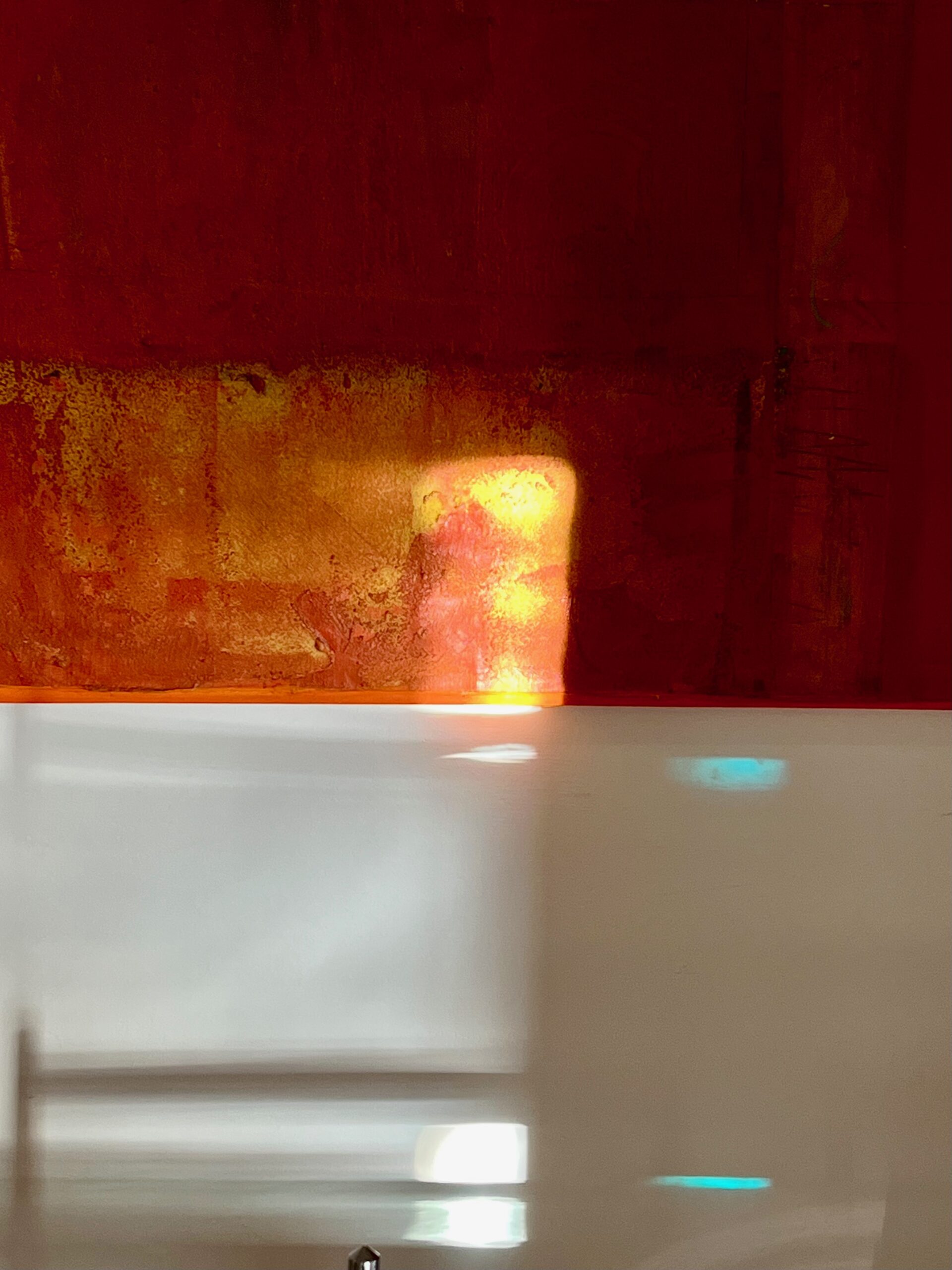 Sughra Raza. Ephemeral Apartment Art. Boston January 4, 2025.