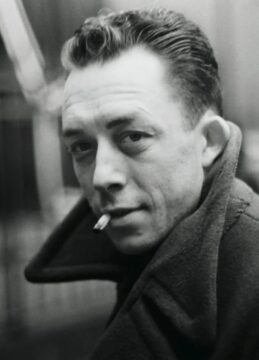
by Varun Gauri

I suppose proud Indians are all alike, but every American-born, confused desi is confused in their own way.
The Ohio hills reminded me of the snow-capped Himalayas. Not that I’d seen the Himalayas. I had seen a documentary about the heroism of Sir Edmund Hillary and Sherpa Tenzing Norgay, the dynamic duo who first scaled the Everest summit (it was about Hillary’s heroism, mostly). Then a storm dumped over a foot of snow on Cleveland in January 1978, on top of the two or three feet already on the ground, and 80-mile-per-hour winds kicked up six- and seven-foot snow drifts along my newspaper route. I completed my deliveries, nonetheless, returning home, cold and frost-bitten, by 8 am. Obviously, Sir Edmund and Sherpa Tenzing wouldn’t have been deterred, either.
Another childhood hero was my mail order guru, Paramahansa Yogananda. I fell for him because, unlike the other mystical outfits I wrote to, his Self-Realization Fellowship accepted thirteen-year-olds. Also, Guri-ji and I had the same birthday. I started meditating on a metal folding chair covered with a white blanket, in my bedroom closet, because the Fellowship recommended insulating yourself from worldly currents. I continued to be a committed, avid disciple throughout my teenage years, even maintaining my practice at a high school summer program at Cornell University. My roommate Marc, from Dallas, was startled when, opening our dorm-room closet to grab a pair of his shoes, he found me seated on a blanketed chair, palms upturned on my knees. Marc and I later had a productive conversation about the cultural differences between Texas and Ohio.
At home, behind my bed, I mounted a glimmering handloom tapestry from rural Rajasthan. For a costume party cum talent show, I had dressed up in a saffron loincloth, with a trident staff and an alms bowl for props (plus some random forehead markings). I watched the Gandhi biopic three times, learned the basic cricket rules, read the Bhagavad Gita, fasted on fruit and nuts on Tuesdays, and ate pungent okra-in-chapati sandwiches at lunch in the school cafeteria.
I was on Team India. To be a fan is to celebrate your team’s wins as your own, and I felt honored that my country had apparently invented the number zero. Indians had built glorious temples, palaces, and ancient cities with impressive feats of engineering. “We” made major contributions to logic, philosophy, linguistics, and religion. Gandhi was the most significant figure of the 20th century. Yoga was taking off everywhere. These were vicarious victories, as when your team receives multiple All-Star selections. Read more »
 Someone else who understands the power of a single note is pianist Yunchan Lim, winner of the 2022 Van Cliburn competition at age 18, who electrified the classical music community with his performances of Rachmaninoff’s Concerto No. 3 and Liszt’s Transcendental Études and has since sold out concerts around the world. His reputation for virtuoso barrages of perfect notes at dizzying speeds belies a deep engagement in the sound he can extract from the piano with a single note—a process he demonstrated in
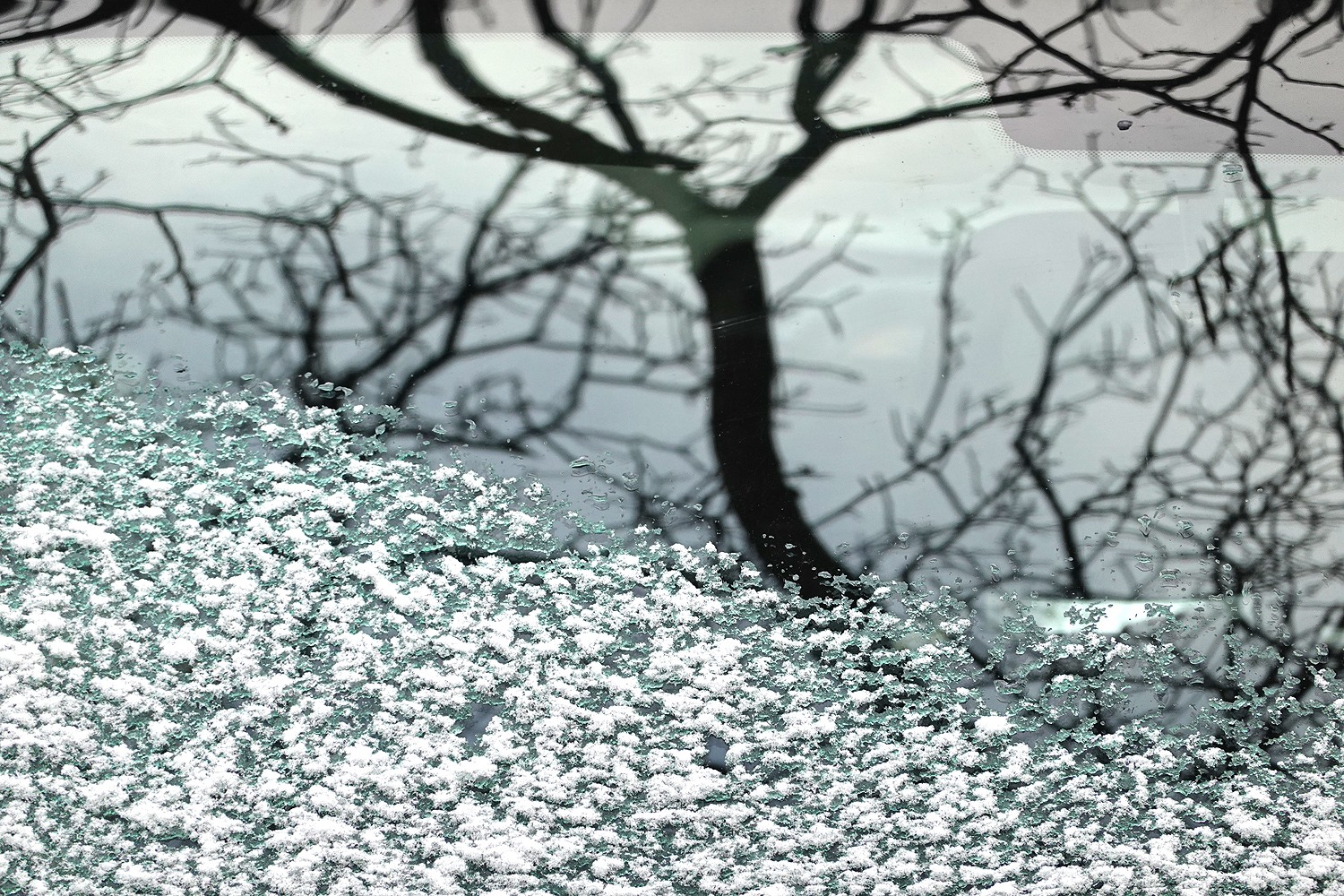
 Sughra Raza. Cambridge In The Charles, December, 2024.
 I will be in Strasbourg, France during Christmas this year, spending time with my 96 year old father who talks about his mother, my mother, and his cousins, all gone now, but seemingly alive to him.


 It sounds like a parlor trick or gimmick, to walk 2,024 miles in 2024—trivial but harmless. It’s not like hiking the Appalachian or Pacific Crest Trail or climbing the highest peak on each continent, or running a marathon. But it is similar to a marathon in that the number involved is an arbitrary product of history that can somehow be useful for guiding a person’s efforts.


 Lorraine O’Grady. Art Is … , Float in the African-American Day Parade, Harlem, September 1983.