by Derek Neal
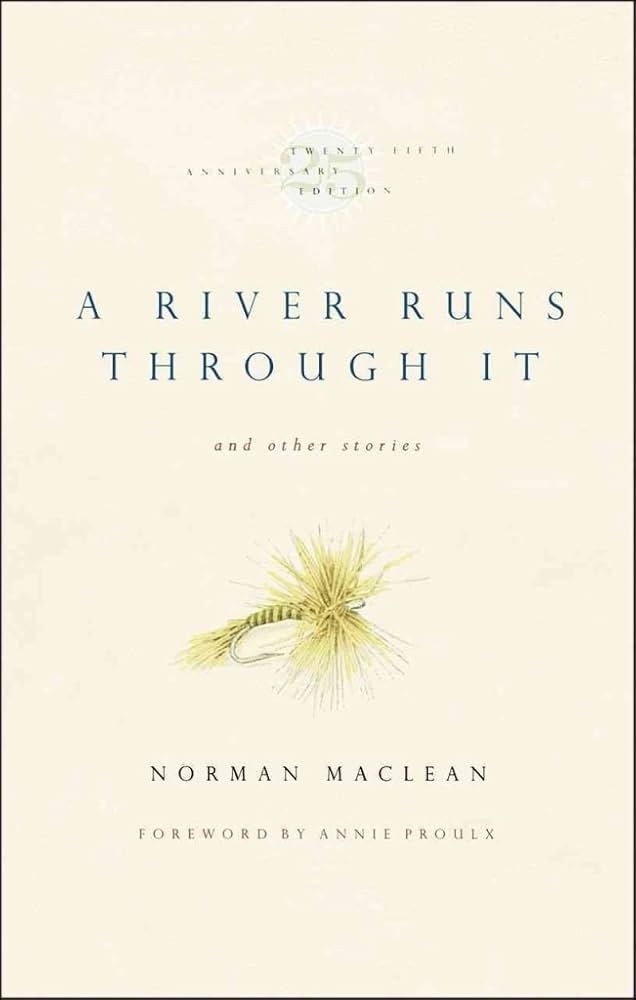 Three weeks later and I’m almost fully healed. My ribs still hurt when I lie down to sleep and when I rise in the morning, but sitting and walking are fine. In another week I’ll be able to return to the gym and attempt some light weightlifting, a welcome resumption of my weekly routine. There was, however, a silver lining to my accident. In the days immediately following it, I could do little else but read. Sitting down in a chair, I was stuck there. So it was that I took A River Runs Through It (1976) by Norman Maclean off the bookshelf in my father’s office and began to turn its pages.
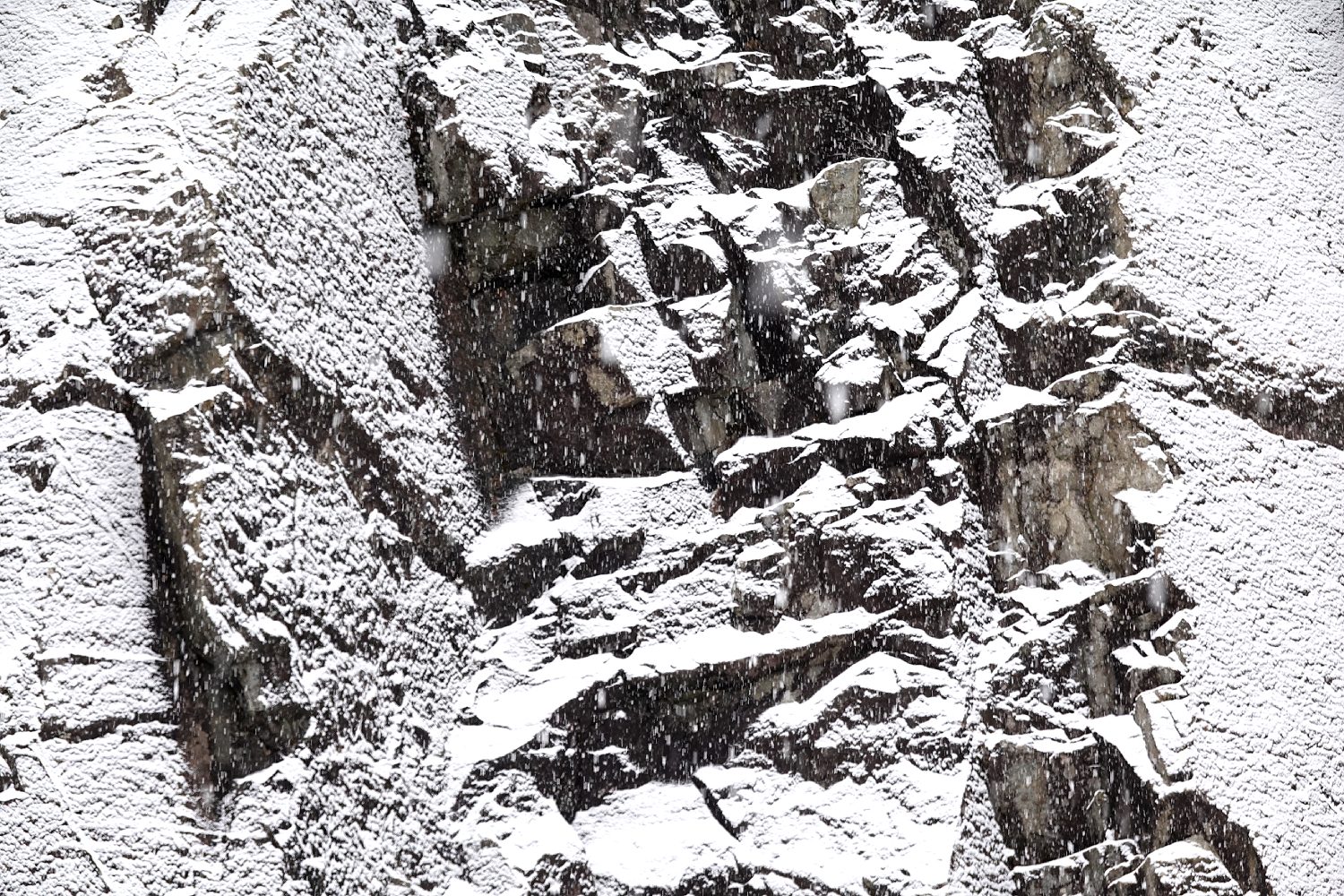
At one time, I’d referred to this book as “my favorite,” but that had been over 10 years ago, and since I no longer owned a copy, I’d forgotten why the book had made such an impression on me. I would soon remember, sitting in the chair and reading the 100-page autobiographical novella over a period of two or three sittings, interspersed with short breaks for more Advil and Tylenol, and to return the ice pack around my side to the freezer. The snow was falling softly on the other side of the large windows in the office, the same snow that I’d been cutting through the day before, turning this way and that on my skis, marveling at my own ability after not having been on the mountain for many years. It really is just like riding a bike, I thought to myself.
Maclean’s book is about the physical, too, about how the body can transcend itself through movement, and it seemed somehow appropriate that I would be reading it in my incapacitated state, allowing me to live vicariously through the two brothers in the story, both excellent fly fishers. The story, in fact, simply consists of a few set pieces built around fly fishing in Montana: the author fishing the “Big Blackfoot” river with his brother, Paul; their fishing the Elkhorn and the Blackfoot with the author’s brother-in-law; a final fishing trip with their father.
These fishing excursions allow Maclean to philosophize about life and to convince us that fly fishing is a spiritual act and the highest end a to which a person can aspire. Read more »
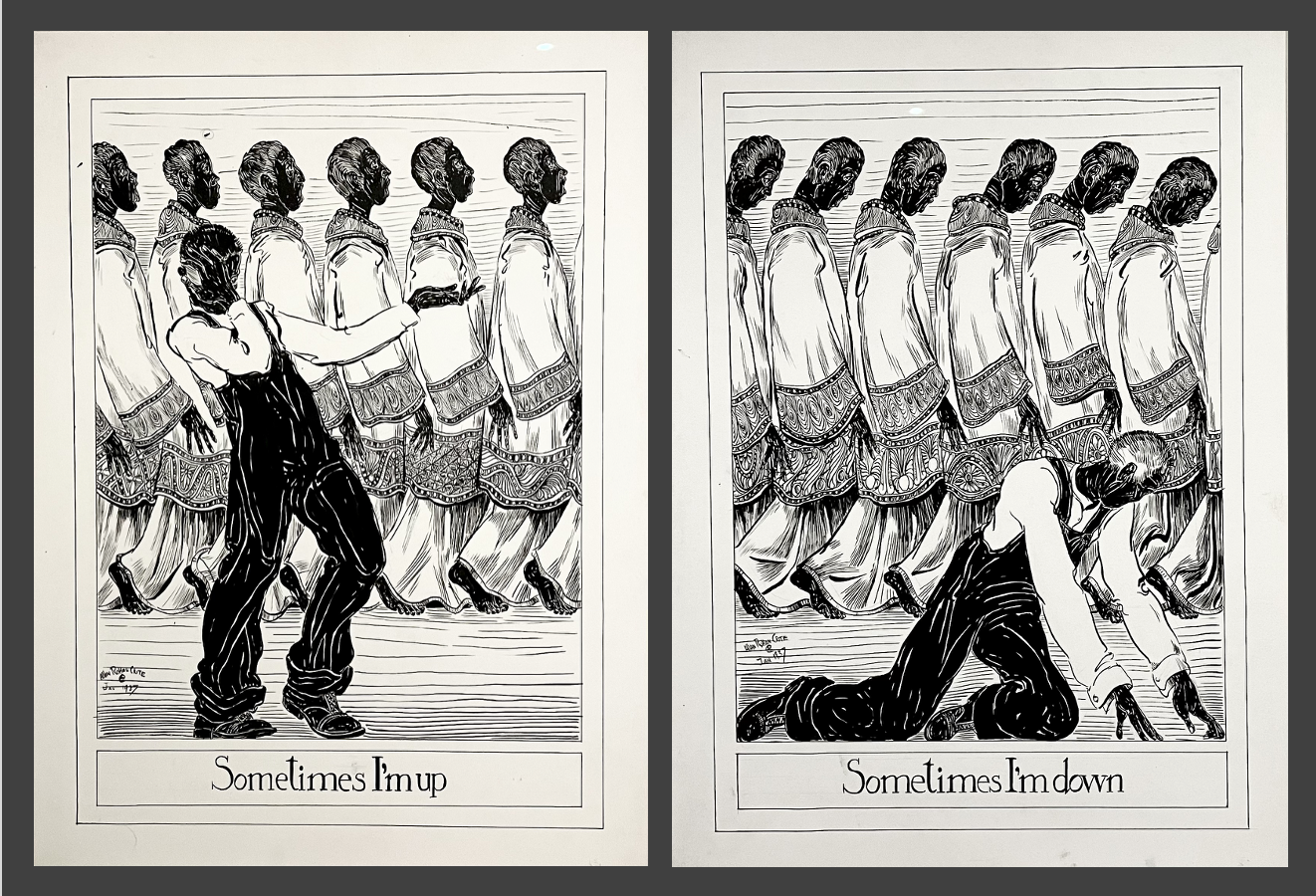 Allan Rohan Crite. Sometimes I’m Up, Sometimes I’m Down. Illustration for Three Spirituals from Earth to Heaven (Cambridge, Mass., 1948),” 1937.


 Did you ever read Ambrose Bierce’s short story “An Occurrence at Owl Creek Bridge”? If not, it starts as the story of a man who is going to be hanged. As the trap door opens under him, he falls, the rope tightens around his neck but snaps instead of bearing his weight, and he is able to escape from under the gallows. For several pages he wanders through a forest truly sensing the fullness of life in himself and around himself for the first time.
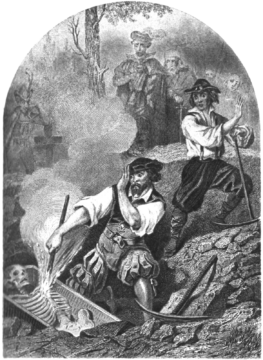
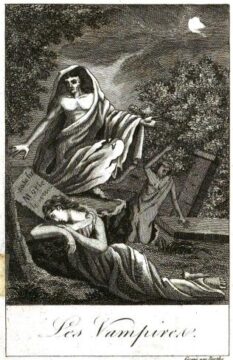 Most fiction tells the story of an outsider—that’s what makes the novel the genre of modernity. But Dracula stands out by giving us a displaced, maladjusted title character with whom it’s impossible to empathize. Think Anna Karenina, Madame Bovary, or Jane Eyre but with Anna, Emma, or Jane spending most of her time offstage, her inner world out of reach, her motivations opaque. Stoker pieces his plot together from diary entries, letters, telegrams, newspaper clippings, even excerpts from a ship’s log. Everyone involved in hunting down the vampire, regardless of how minor or peripheral, has their say. But the voice of the vampire himself is almost absent.

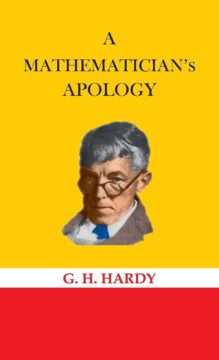 I have put off reading G.H. Hardy’s Mathematician’s Apology (1940) to the end for too long. Now that I have, I can say with conviction that if you ever find yourself needing to justify why people should learn at least some mathematics, then this is the text to avoid, and Hardy provides the arguments you should stay away from furthest. And yet, it grew on me as an honest presentation of Hardy’s perspective on why anything is worth doing.
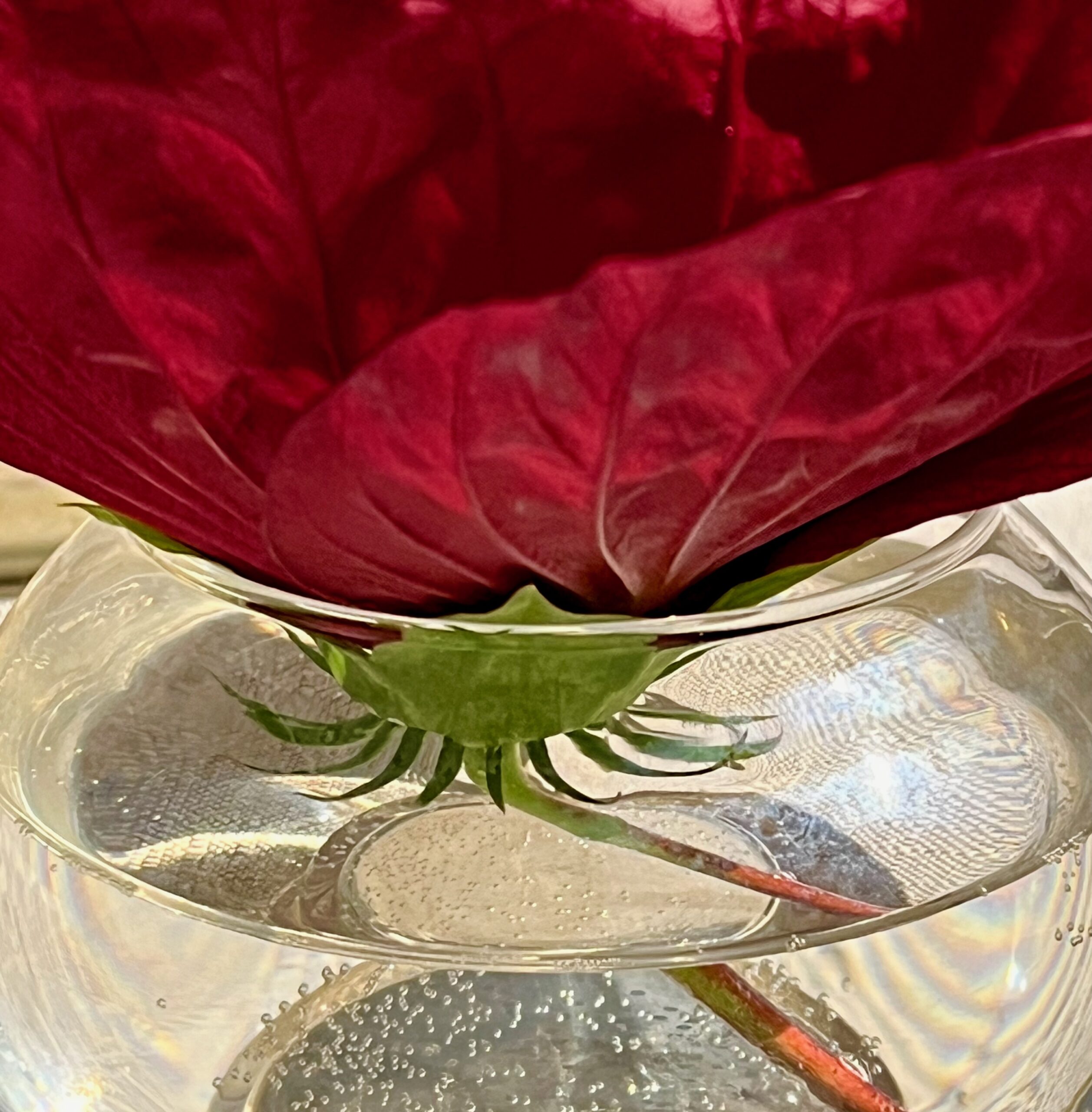 Sughra Raza. Blood. August 2024.