by John Ambrosio
 In a recent interview in the New York Times Magazine, Robert Reich, a progressive university teacher and prolific writer, who worked in three presidential administrations, including serving as Bill Clinton’s Secretary of Labor, commented that his views of conservatives had changed because of a close friendship with Alan Simpson, a former Republican Senator from Wyoming. After attending a dinner with approximately 20 Republicans at Simpson’s home, including some Trump supporters, Reich wrote that “they were, I think, it’s fair to say, absolutely lovely people. Generous and kind and totally enjoyable. Alan taught me that the humanity of people in Wyoming, and in the center of this country, and many, many Republicans is so much more important than whether they believe in Social Security.”
My experience living in a rural Midwest city for nearly two decades led me to a similar conclusion, that the community where I reside is mostly comprised of very decent people, who care deeply for their families and friends, who are hard-working, responsible, thrifty, and honest, all qualities that I value and admire. There is also a strong and genuine sense of community, of helping neighbors and others in need, which I also find very appealing.
All of this leaves me with a troubling question: How can such genuinely decent people consistently vote for Trump and MAGA Republicans? Part of the answer is simply the inertia of tradition, custom, and habit: voting Republican is an essential part of their identity that is deeply rooted in certain ways of thinking, being, and belonging that do not change easily. It is also due to a kind of complacency, to an ignorance of U.S. history and the structure and functioning of the federal government, and to being embedded in conservative religious and political ideologies that frame how they interpret and understand their lived experience. Read more »





 Sughra Raza. Blizzard in Fractals. Boston, February, 2026.
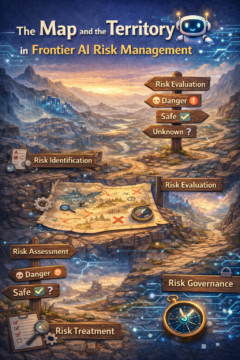 Over the past year, there has been significant movement in AI risk management, with leading providers publishing safety frameworks over the past year that function as AI risk management. However, the problem is that these are not actually proper risk management when you compare them to established practice in other high-risk industries.
 C. Thi Nguyen’s The Score: How to Stop Playing Somebody Else’s Game (Penguin, 2026;
  How can we possibly approach the world today without being in a constant stage of rage? Philosopher and psychoanalyst Josh Cohen’s




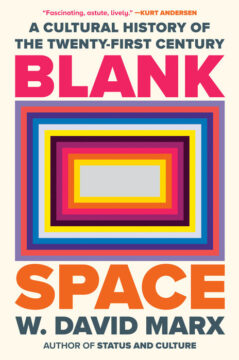 No one sells out anymore. The first pages of
  A thought has been nagging at me lately. Are most shitty people not very bright?