by Sean Murphy
i.
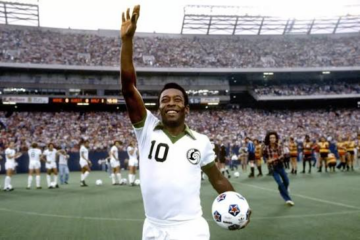
I learned about death and taxes later but first; I understood that there was also the World Cup. It loomed almost as large as reality and, for large segments of the world, was as important as existence, was existence—at least every four years. Those of us in the states didn’t have those emotional or historical attachments, but in the ‘70s we all had Pelé.
It’s difficult to explain to someone raised in this century, but it’s not enough to merely suggest Pelé was the Michael Jordan of his time. He was much, much more: an amalgamation of every single athlete in every sport, as well as the coolest rock star, actor, politician, and superhero. He was Pelé, and he didn’t wear a cape. He played football, or Jogo Bonito (The Beautiful Game, translated from the Portuguese and the Brazilian team that, for a decade as golden as their shirts, epitomized the ethereal grace of this sport, elevating to its own artform.)
Pelé was among the first icons who could be—and always was—known by a single name, and he was ubiquitous before attaining ubiquity was the apotheosis, after achievement and wealth, of any celebrity’s career. It’s all but impossible, in 2026, to articulate how well-known, and beloved, Pelé was in a pre-internet world. As the man himself once remarked, the arrogance underscored by its unassailable truth: “Wherever you go, there are three icons that everyone knows: Jesus Christ, Pelé, and Coca-Cola.”
Pelé also did the impossible on more than one occasion. No, I’m not referring to his bicycle kicks, or his single-handedly making soccer gain traction in the United States (that it still languishes as the least popular of our major sports is a travesty that he can in no way be faulted for), or his winning role as a big-time movie actor (via the seminal young man’s soccer fantasy flick Victory); no, Pelé was even able to make Henry Kissinger, the seemingly unkillable cretin who never found an opportunity or occasion he could not personally sully, seem prescient, even brilliant. Read more »


 For most of the last hundred years, ships sailed the globe without much thought to who ruled the sea. Governments agreed on organizations and protocols for getting along, capital flowed, scientists collaborated and manufacturers built supply chains stretching around the world. The international commons became so ordinary as to disappear from view. That didn’t happen by accident, and it isn’t guaranteed to continue.
 In December of 2025, Miriam Sagan published a stunning merger of memoir and fantasy fiction,
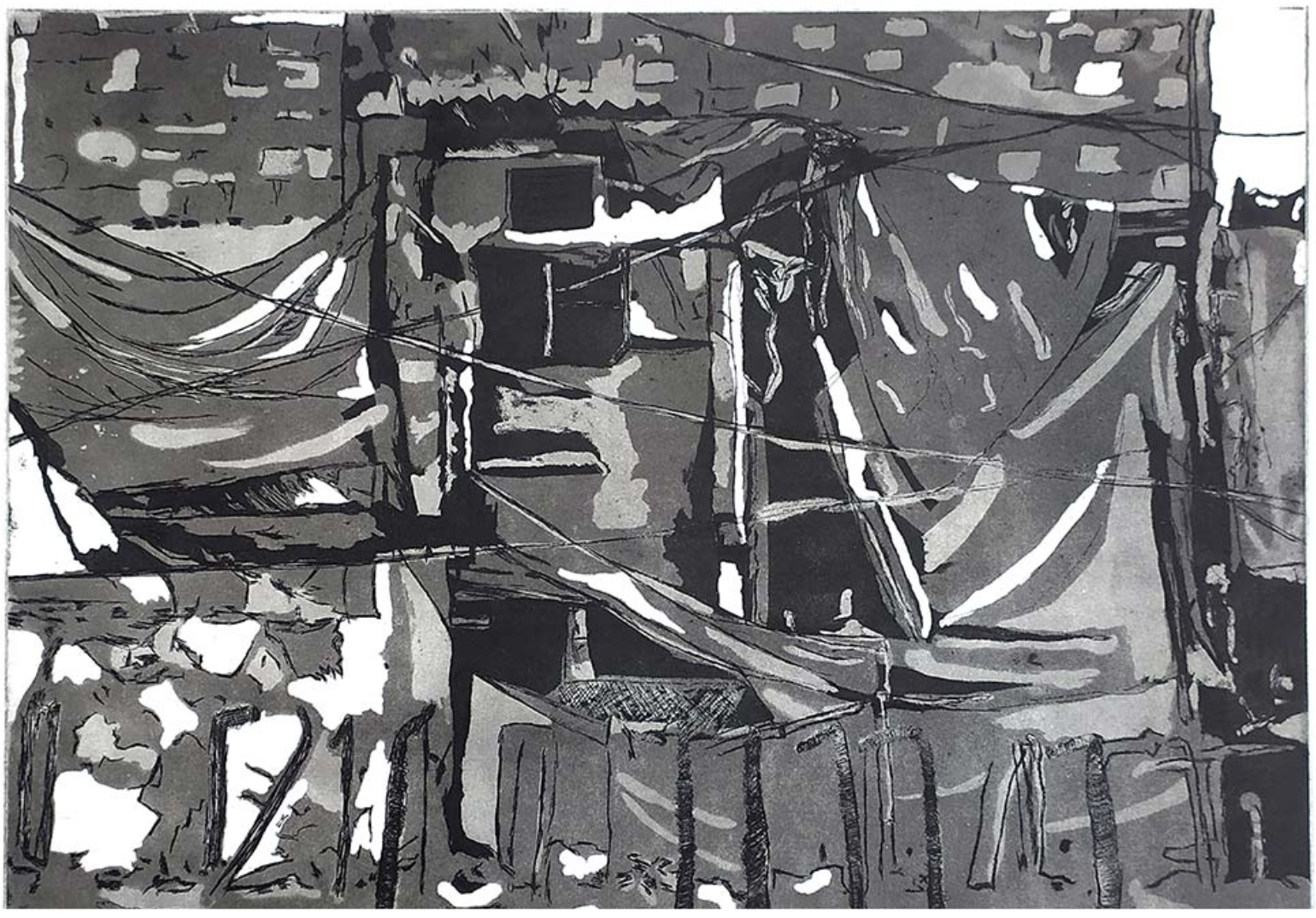 Zahabia Khozema. Untitled I, 2023.


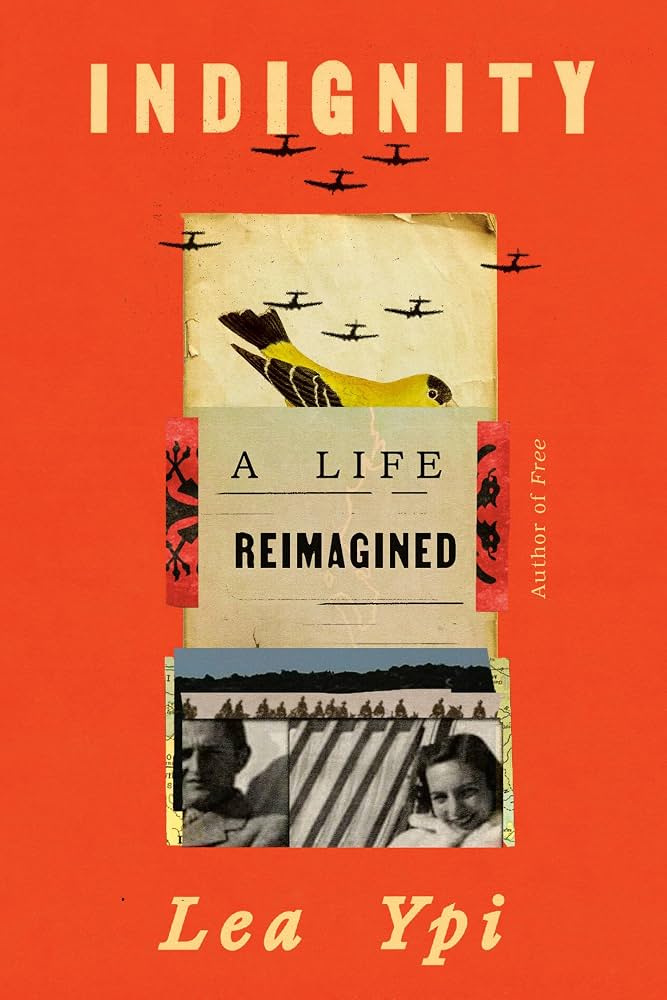 Lea Ypi’s first memoir, Free, began with a scene of her hugging a headless statue of Stalin in Durrës, Albania as a child. The image was effective in showing the young Ypi’s devotion to communism, which was important as the book dealt with her disorientation upon its fall and the realization that much of what she believed about her life had been a lie. Some readers, however, took issue with what they considered Ypi’s excessive use of artistic license: there was no statue of Stalin in Durrës, just a small bust with its head intact.
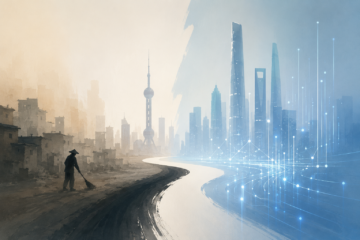 Just came back from a trip to China, my first in a decade and my first focused specifically on AI risk. Covering Beijing as well as Shanghai, conferences as well as university events, this was a highly illuminating trip from several perspectives. China has continued to develop extremely quickly since my last visit and has grown even more fascinatingly different from Western countries.
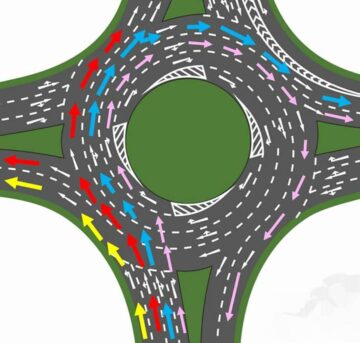 About thirty years ago my wife and I rented a car in London. The experience is seared into my memory forever. The steering wheel was on the wrong side of the car, and I was expected to drive on the wrong side of the road. It took all my concentration, but I was able to manage, more or less, until we came to a roundabout. I had never seen a roundabout before. Didn’t know what it was.
 I was going to write about a recent study [1] on raccoons, where the adaptable little critters were given puzzle boxes to solve in order to access food rewards. On each box there were three small doors with their own distinct mechanisms, each requiring a different kind of manipulation to open. What made this study notable was that, unlike previous experiments where solved puzzles were locked out or removed to focus on new puzzles, the experimenters left the previously solved puzzles accessible to the raccoons in subsequent challenges. The raccoons were able to manipulate mechanisms that they had previously figured out, in addition to the new challenges, although they received no additional food rewards for their extra work. The upshot of the results is that the raccoons displayed an intrinsic motivation to mess around with latches, locks and doors, even when no obvious extrinsic reward was to be had. This will surprise nobody who has tried to prevent raccoons from getting into their property. There is a straightforward adaptationist explanation for this: if the animals find it psychologically rewarding to muck about with things for the fun of it, they are more likely to acquire new information and behaviours that could be useful later. Much like how the intrinsically rewarding experience of sex makes reproduction more likely.