
by David Kordahl

While grading papers last week, I turned on Max (the streamer formerly known as HBO) and watched The Insurrectionist Next Door. This documentary was made by Alexandra Pelosi, the daughter of Rep. Nancy Pelosi. I’d read a little about the film beforehand, and I was curious how the younger Pelosi would find a way to profile her subjects—characters in various amounts of trouble with the law due to their actions at the U.S. Capitol on January 6, 2021—without her kinship with the elder Pelosi getting in the way. But this connection turns out to be the central gimmick, and Pelosi makes no secret of it, casting herself as a shocked diplomat to Trump’s deplorables.
“What do you think of your dad’s song, ‘Fuck Joe Biden’?” she asks an older daughter in one scene as Dad, a White rapper with the words PROUD BOY tattooed across his forehead, sits with a younger child on his lap. Pelosi presents herself as frankly confused by the Trumpists. The White rapper, Billy Knutson, is thought by his family to be a good dad and good husband, and we watch his wife and children cry as they leave him at the prison for a six-month stint.
All leads of The Insurrectionist Next Door face, or have already served, time in prison. Another interviewee, the ex-pornographer Felipe Marquez, is shown baking a cake for Pelosi at his home in Fort Lauderdale, FL, where he is under house arrest. As Marquez tells his story, Pelosi refuses to believe it. “So a hooker broke up with you and that turned you into a Christian conservative?” she asks.
“I thought she was just a regular woman who would have a family with me, and we would watch conservative news together,” says Marquez.
Pelosi presses him on this, exasperated. “You’re telling me that the left is responsible for your prostitute girlfriend leaving you, and therefore you took it out on the left by storming the capitol and participating in an insurrection?”
“Men are weird,” he says, frowning while stirring in the eggs. Read more »
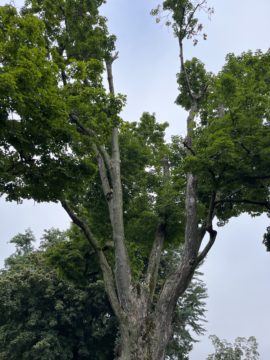
 Sughra Raza. Yarn Art on The Mass Ave Bridge, July 2014.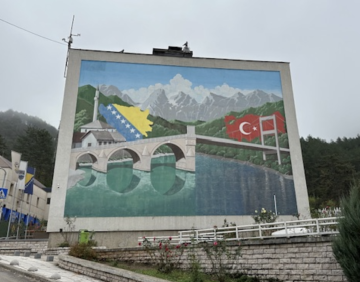
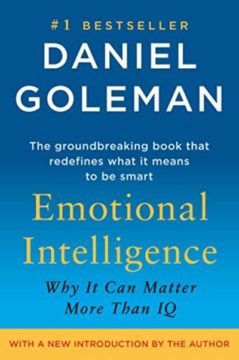 Daniel Goleman’s



 The man who’d spoken to me before appears at my side and whispers into my ears again.
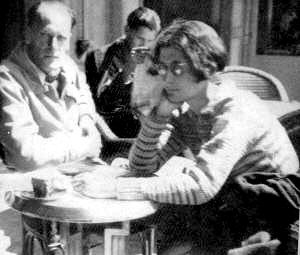 In the past decade, the writer Simone Weil has grown in popularity and continues to provoke conversation some 80 years after her death. She was a writer mainly preoccupied with what she called “the needs of the soul.” One of these needs, almost prophetic in its relevance today, is the capacity for attention toward the world which she likened to prayer. Another is the need to be rooted in a community and place, discussed at length in her last book On the Need for Roots written in 1943.
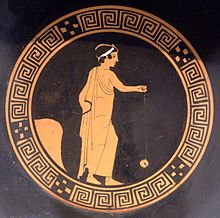
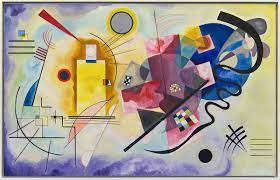 In debates about hedonism and the role of pleasure in life, we too often associate pleasure with passive consumption and then complain that a life devoted to passive consumption is unproductive and unserious. But this ignores the fact that the most enduring and life-sustaining pleasures are those in which we find joy in our activities and the exercise of skills and capacities. Most people find the skillful exercise of an ability to be intensely rewarding. Athletes train, musicians practice, and scholars study not only because such activities lead to beneficial outcomes but because the activity itself is satisfying.
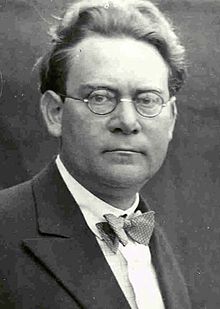

 I’m excited about the imminent Halloween publication date of
  South Asian literature. As part of this, I was delighted to be sent