
by Ed Simon

Past the regal bronze lions of Trafalgar Square and Nelson’s towering and triumphant column, up the steps of the National Gallery and behind it’s porticoed, columned, Regency façade, and on the second floor in room 34, the same place where the museum displays William Hogarth’s formal, yet warm, portrait The Graham Children and Joseph Turner’s dramatic Dutch Boats in a Gale, is the most luminescent painting of the British Enlightenment, Joseph Wright of Derby’s 1768 masterpiece An Experiment on a Bird in the Air Pump. Fully six feet tall by eight feet wide, Wright’s composition depicts a wizardly natural philosopher framed in long gray locks and draped in a red coat not dissimilar to a robe, contrasted by flickering candlelight in an eerie chiaroscuro, with his hand atop the perfectly spherical chamber of a vacuum pump, inside of which is a fluttering Australian cockatoo – exotic at the time – right before the pressure of the exhumed air crushes it’s tiny avian lungs. A number of characters witness the scientific presentation; a gentleman in powdered wig and green jacket gives the experiment his rapt attention, two young lovers seem more concerned with each other, an assistant boy at the window closes the bird’s cage while bathed in the light of a full moon, and an elderly man seems to time the demise with an intricate pocket watch.
Demonstrations such as these had been conducted for more than a century by the time Wright put brush to canvas, and during the eighteenth-century they were performed as often by theatrical presenters with a paying audience as they were by scientists, yet the choice of test subjects in these experiments was frequently as cruel as the painter depicted. Robert Boyle, the chemist and philosopher who commissioned the scientist and engineer Robert Hooke to construct England’s first air pump in 1659, records the results of an experiment on a lark, where as oxygen was pumped out of the chamber the bird “began manifestly to droop and appear sick, and very soon after was taken with as violent and irregular convulsions,” so that the animal “threw herself over and over two or three time, and died with her breast upward, her head downwards, and her neck awry.” The dispassionate empiricism of Boyle’s report is in keeping with the mechanistic philosophy which dominated the Royal Society, the scientific organization established by King Charles II’s proclamation shortly after Restoration in 1663, and to which the chemist would donate the vacuum pump. Read more »



 Notational

 A cinematographer would recognize this as a crane shot, or its replacement, the drone shot. This crane or drone doesn’t move. It defines the POV (point of view) of the painter, and shows how far his perspective can reach and how much he can cram into the in-between, that 2D surface which expands vertically with every higher angle of his POV, as in this crane shot from Gone with the Wind.
 Like many of us, they assembled an inordinate number of puzzles during the COVID-19 restrictions. And like many puzzlers, they came to wonder:
 In the middle ’60s when I first was a new husband, a new teacher, and new father, I met my first indication of the changing consciousness of women in a freshman English class. I was teaching the Yeats poem “A Prayer for My Daughter.” I found it, and in many ways still do a marvelous poem and I spoke of it to my class with great enthusiasm saying that this is what I would wish for my daughter – that she would be “beautiful” but not “too beautiful” and “learned courtesy” for:
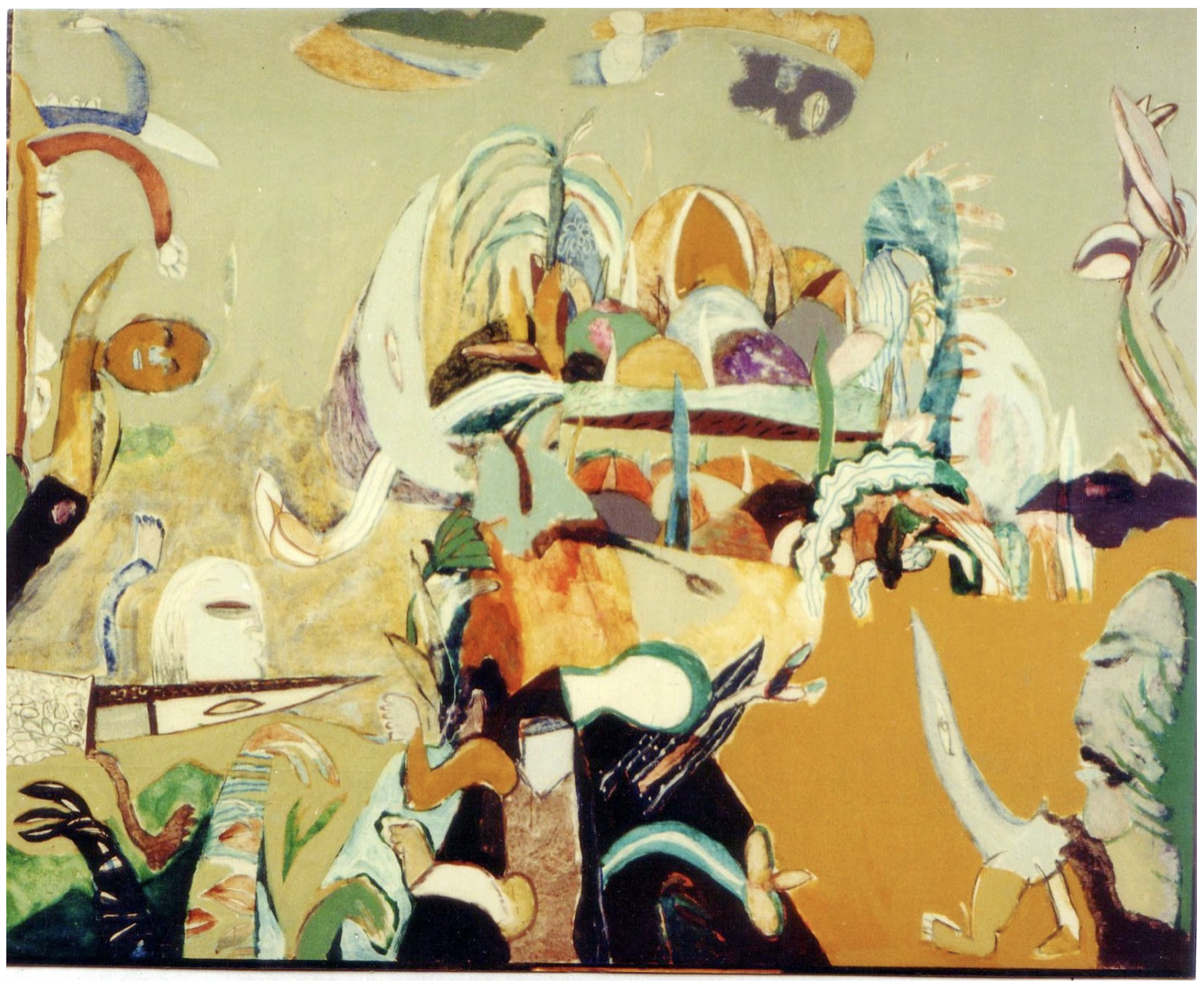 Dilara Begum Jolly. Untitled, ca 2014.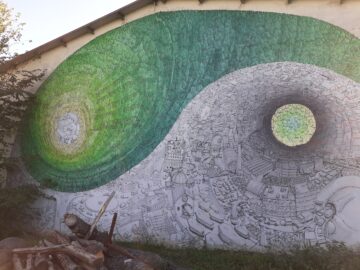

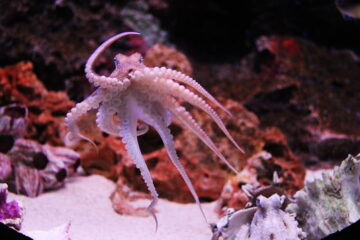
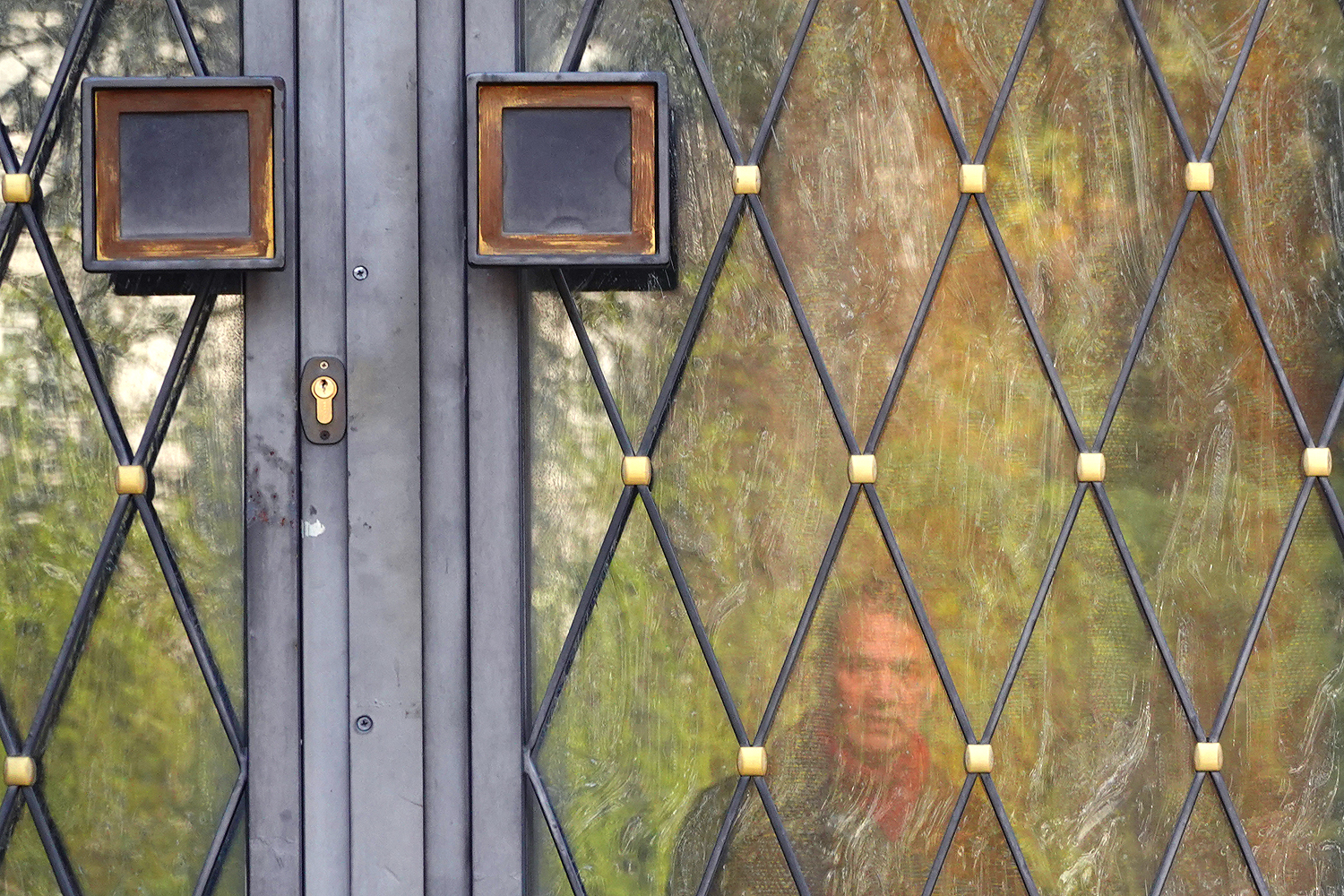
 I’ve heard owls are signs of a big shift in your life; I also know that I only really look for owls during those times.
  The
The 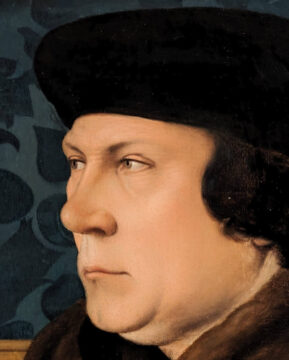 Poets. Dancers. Singers. Scientists. Generals. Explorers. Actors. Engineers. Diplomats. Reformers. Painters. Sailors. Builders. Climbers. Composers. In a pretty-good eighteenth-century copy of a portrait by Holbein the Younger, Thomas Cromwell is not so much a man as a slab of living, dangerous gristle. Henry James looks dangerous too, in a portrait by John Singer Sargent that more people would recognize as great if inverted snobbery hadn’t turned under-rating Sargent into a whole academic discipline. Humphrey Davy, painted in his forties, could not be more different. He looks about 14; thinking about science has made him glow with delight.