
by Mark Harvey

To tear something down is infinitely easier than building something of benefit or beauty. Constructing an elegant house that will last through the ages, can take years. From a dream, to design, to approvals, to construction means gobs of money, skilled designers, and dedicated builders. When you see that handsome house perched just so on a hill, with its cedar siding, cased windows, and tidy balconies, know that dozens of men and women labored and strove to get it just right—hundreds of mornings planning, sawing, hammering, painting, plumbing and polishing.
But give me a forty-ton excavator and a couple of dump trucks, and I will demolish that house and clear the site in one day. To a person of evil intent and ill mind, tearing down so much effort in so little time will be a thrill.
That’s what makes vandalism so attractive to people with festering resentments. Destroying something precious to someone else in the dark of the night is the sort of sugar rush that thrills degenerates.
When the richest man in the world takes hammer and tongs to our government and delights in tearing down agencies central to our economy, farms, public health, environment, and foreign policy—when a man-child of his accidental consequence recklessly fires thousands of public employees without knowing the first thing about government, it’s time for anyone who does love this country to stand up and call out a flat NO!
Watching Elon Musk with his strange gothic uniforms of black jackets, t-shirts and ball caps, and reading his inane tweets sprinkled with juvenile humor, brings to mind a deeply insecure adolescent. And yet, that puffed-up adolescent is tearing apart the lives of thousands of Americans directly, and millions of people worldwide as a consequence. Read more »


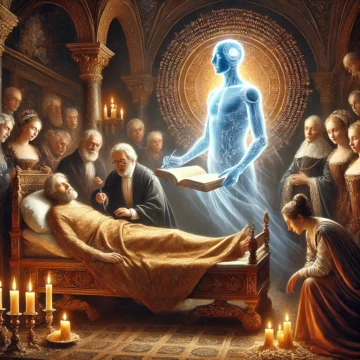 Everyone grieves in their own way. For me, it meant sifting through the tangible remnants of my father’s life—everything he had written or signed. I endeavored to collect every fragment of his writing, no matter profound or mundane – be it verses from the Quran or a simple grocery list. I wanted each text to be a reminder that I could revisit in future. Among this cache was the last document he ever signed: a do-not-resuscitate directive. I have often wondered how his wishes might have evolved over the course of his life—especially when he had a heart attack when I was only six years old. Had the decision rested upon us, his children, what path would we have chosen? I do not have definitive answers, but pondering on this dilemma has given me questions that I now have to revisit years later in the form of improving ethical decision making at the end-of-life scenarios. To illustrate, consider Alice, a fifty-year-old woman who had an accident and is incapacitated. The physicians need to decide whether to resuscitate her or not. Ideally there is an



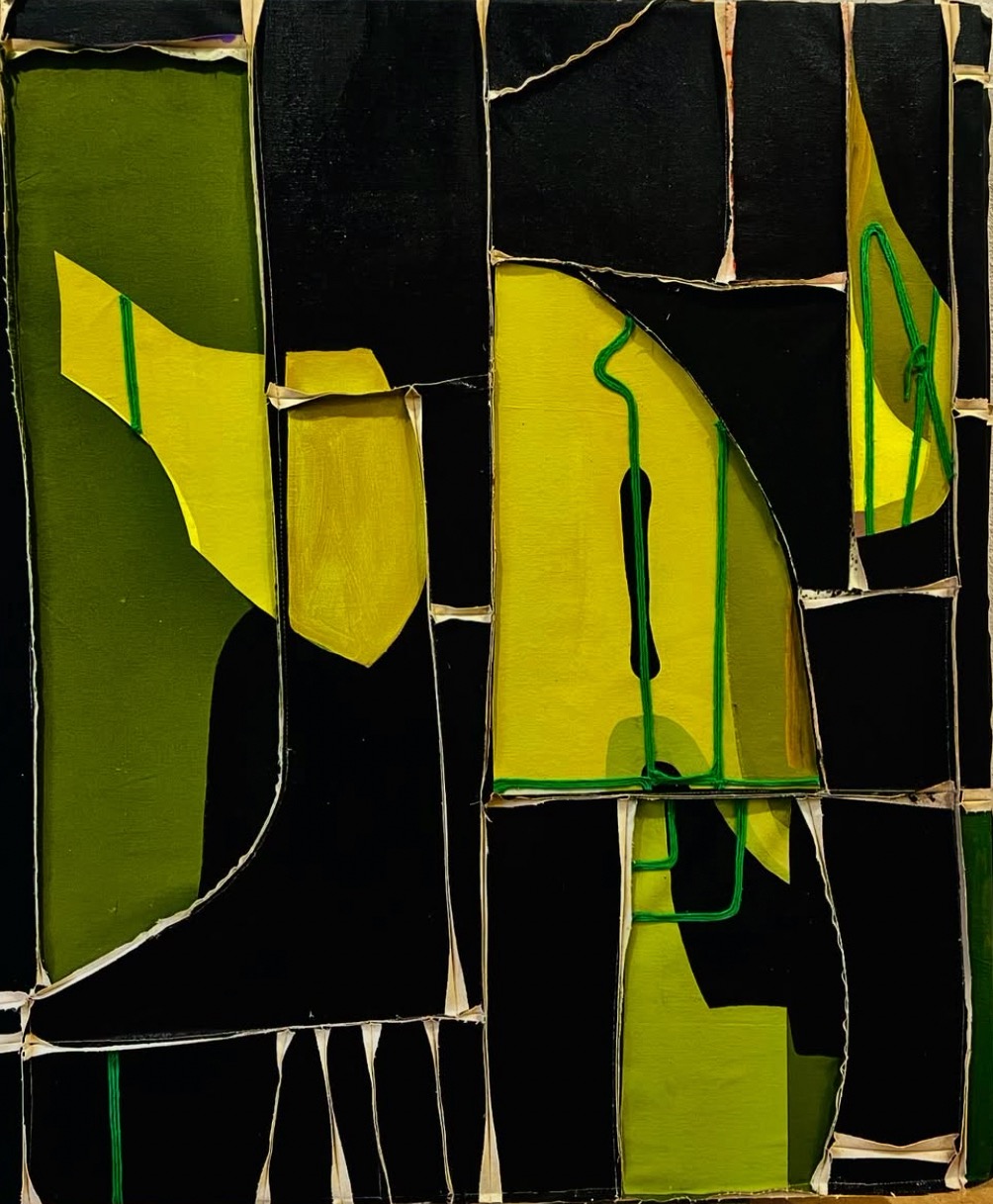 Monica Rezman. After Dark. 2023. (“this is what it’s like to live in the tropics”)

 Close-Up, a 1990 Iranian film directed by Abbas Kiarostami, is one of the rare films where the viewing experience is enhanced by knowing certain details beforehand.


