
by Thomas Wells
 Middle age brings sometimes uncomfortable self-reflection. One thing I have realized is that I am not a particularly good person. Not evil, just mediocre. Lots of people are much better at morality than me, including many of my students. On the other hand, I am quite good at the academic subject of ethics. Good enough to teach it at a university and write papers that occasionally appear in nice journals.
Is there a contradiction between these two observations? Is there a causal relationship?
When I started studying ethics I assumed it would somehow make me a morally better person. But I never really thought through that ‘somehow’ and after 15 years I can see that my complacency was not justified. My moral achievements still derive mostly from the good habits my parents trained me in. If I am at all a better person than I was 15 years ago, that has had more to do with the good people I have been lucky enough to know than with what I have been reading, thinking, and teaching.
Some years ago, for instance, I worked through the arguments around animal rights and decided to my intellectual satisfaction that the case against eating them was completely compelling. But I still eat meat nearly every day. I did try vegetarianism a couple of times but gave up because it was too hard. Vegetarian food in every situation was always worse than the meat alternative. And I got very tired of eating cheese.
Aristotle would diagnose my failing as akrasia, or weakness of will. I characterize it in more familiar terms as moral laziness. I claim moral principles, but I am not prepared to put much effort into living up to them. In the same way, I think I want to be thin, but – practice has revealed – I am not prepared to exchange my comforts for ascetic bowls of muesli and pre-dawn running regimes. Either I don’t care about being good as much as I think I do (a motivation problem), or I am not really convinced by my own moral reasoning (a rationality problem). I think it may be a bit of both. Read more »

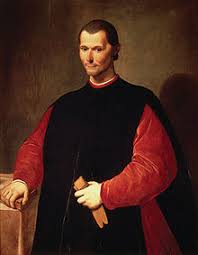 How conceivable is this? Trump loses the 2020 US presidential election. But he refuses to concede, claiming that results in the swing states of Ohio and Florida were invalid due to voter fraud and crooked election officials. Fox News, other right-wing media and the Republican controlled congress go along with this. So Trump remains president until, in the words of Senate leader Mitch McConnell, “we are able to clear up this mess.” Clearing up the mess, it turns out, could take some time–even longer than it takes for Trump to fulfill his promise to release his tax returns. Law suits are brought, but guess what? By a 5 to 4 majority, the supreme court refuses to hear them.
 Although wine writing takes diverse forms, wine evaluation is a persistent theme of much wine writing. When particular wines, wineries or vintages are under discussion, at some point the writer will typically turn to assessing wine quality. The major publications devoted to wine include tasting notes that not only describe a wine but indicate its quality, often with the help of a numerical score, and most wine blogs and online wine magazines include a wine evaluation component that is central to their mission.

 My dad was a pharmacist. He had an old-fashioned store (including an actual soda fountain and stools) and some of the old-fashioned tools of the trade: scales and eye-droppers, spatulas and ointment bases, graded flasks and beakers, amphorae, and his mortar and pestle.

 I have been a practicing Stoic for a few years now, with lulls here and there. Stoicism provides a compelling framework for living in a purposeful and ethical way. The question in my mind is, is it perhaps a little too compelling? In other words, not much fun?

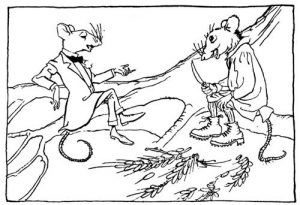 In 1790, shortly after the 13 states ratified the U.S. Constitution, the new federal government conducted its first population census. Its tabulations revealed an astonishingly rural nation. No less than 95% of all Americans lived in rural areas, either on a fairly isolated homestead (typically a farm) or in a very small town. How small? Fewer than 2,500 people. Meanwhile, just 1/20 of Americans lived in a town with more than 2,500 people. All told there were only 26 such towns, only half of which had so many as 5,000 people

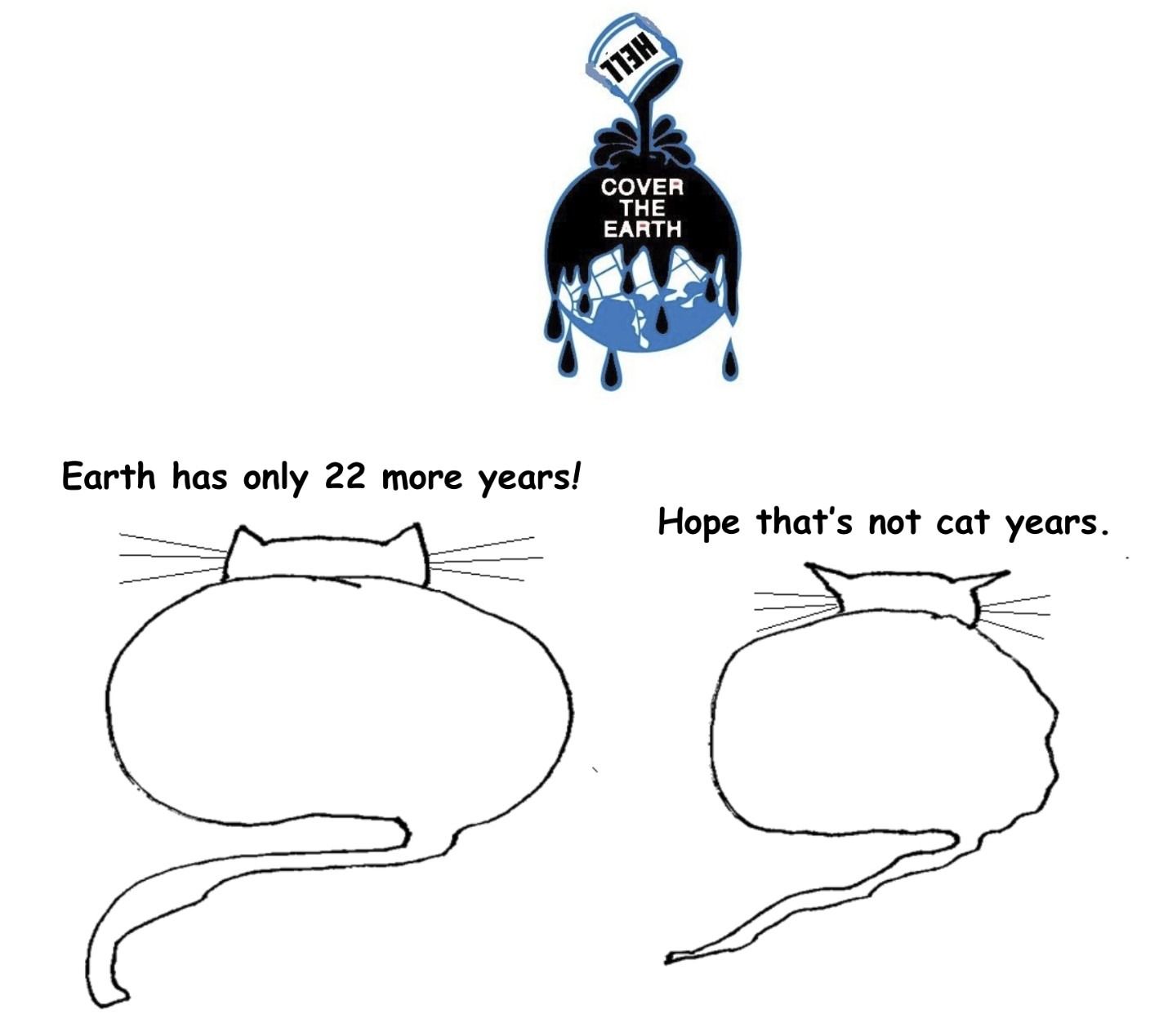



 Three years ago I posted on this site “