by Leanne Ogasawara
1.
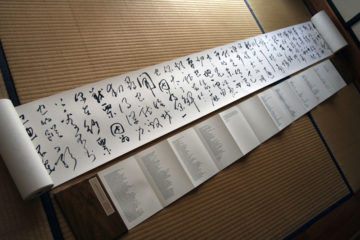
It was Tetsuya’s idea to start calligraphy lessons.
I had wanted to study Aikido. But according to Tetsuya, I was already dangerous enough. “And, anyway,” he said, “You know what Confucius said: the pen is mightier than the sword.”
“Confucius definitely did not say that.” I rolled my eyes.
His idea, however, grew on me. So, a few weeks later, the two of us found ourselves standing in front of a tidy, two-story home in suburban Hachioji. Located at the end of the Keio line, Hachioji is as far west as you can travel in Tokyo without arriving in Kanagawa Prefecture.
A few days before our first class, Tetsuya had a long consultation by phone with the teacher, Yufu-sensei, and it had been decided that I should be placed in the class with grammar school students, since at that point I only knew the kanji through 5th grade. When I tried to resist being in a class of kids, Tetsuya told me to get rid of my pride immediately or this won’t end well for you.
Anyway, he said, he would sit in the class with me to make sure I was okay. With that promise, I felt confident. Tetsuya had beautiful handwriting. He was already proficient at writing with brush and ink, though he told me that all he could manage was kaisho, the “square style” or “standard style.” Kaisho is the first style that shodō practitioners usually learn and master, he said.
The lessons were held on the second floor of the teacher’s home. A hush fell over the room as we entered. Not only were adults joining the kids’ class but one of those adults was not Japanese. Definitely not Japanese.
The children just stared in disbelief. Read more »

 By a happy chance, the section I was invited to read from, alongside Andreas Flückiger and William Brockman, two associates of the Foundation, at the

 After my several visits to Kerala, I wrote up an article, “On Life and Death Questions in India” for EPW, where I highlighted the welfare and demographic achievements of Kerala, the most advanced region in India in terms of many indicators of social democracy. Soon Raj and his colleagues (including my friend, T.N.Krishnan) produced a large, quantitative report for the United Nations Development Program, which brought to international attention the so-called Kerala model of development.

 that this Group
  that these signatories include 17 members of Imperial’s own Faculty, Faculty at 11 other universities and research institutes, 19 Fellows of the Royal Society as well as several members of comparable overseas bodies, 4 Sirs, a Nobel Prize winner (
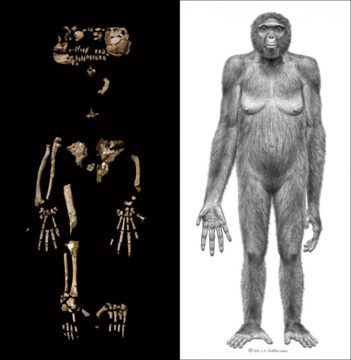

 Sughra Raza. Bey Unvaan. February, 2022.

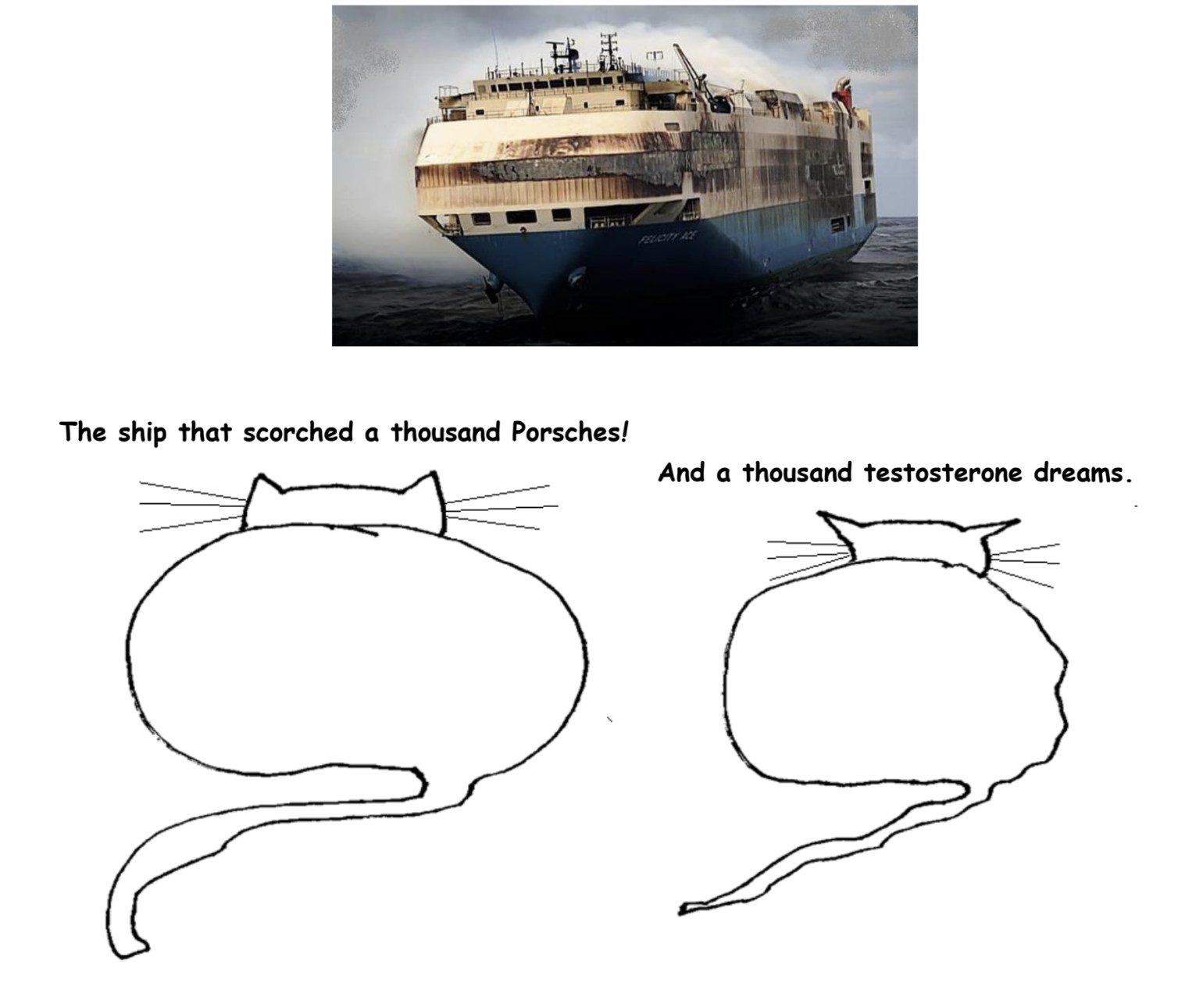
 Why do I have to help?
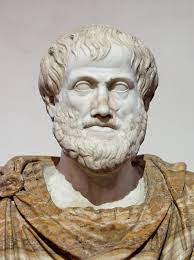 Among the ideas in the history of philosophy most worthy of an eye-roll is Aristotle’s claim that the study of metaphysics is the highest form of eudaimonia (variously translated as “happiness” or “flourishing”) of which human beings are capable. The metaphysician is allegedly happier than even the philosopher who makes a well-lived life the sole focus of inquiry. “Arrogant,” self-serving,” and “implausible” come immediately to mind as a first response to the argument. It’s not at all obvious that philosophers, let alone metaphysicians, are happier than anyone else nor is it obvious why the investigation of metaphysical matters is more joyful or conducive to flourishing than the investigation of other subjects.