by David Kordahl

Here’s a brief story about two friends of mine. Let’s call them A. Sociologist and A. Mathematician, pseudonyms that reflect both their professions and their roles in the story. A few years ago, A.S. and A.M. worked together on a research project. Naturally, A.S. developed the sociological theories for their project, and A.M. developed the mathematical models. Yet as the months passed, they found it difficult to agree on the basics. Each time A.M. showed A.S. his calculations, A.S. would immediately generate stories about them, spinning them as illustrations of social concepts he had just now developed. From A.S.’s point of view, of course, this was entirely justified, as the models existed to illustrate his sociological ideas. But from A.M.’s point of view, this pushed out far past science, into philosophy. Unable to agree on the meaning or purpose of their shared efforts, they eventually broke up.
This story was not newsworthy (it’d be more newsworthy if these emissaries of the “two cultures” had actually managed to get along), but I thought of it last week while I read another news story—that of the Google engineer who convinced himself a company chatbot was sentient.
Like the story of my two friends, this story was mostly about differing meanings and purposes. The subject of said meanings and purposes was a particular version of LaMDA (Language Models for Dialog Applications), which, to quote Google’s technical report, is a family of “language models specialized for dialog, which have up to 137 [billion] parameters and are pre-trained on 1.56 [trillion] words of public dialog data and web text.”
To put this another way, LaMDA models respond to text in a human-seeming way because they are created by feeding literal human conversations from online sources into a complex algorithm. The problem with such a training method is that humans online interact with various degrees of irony and/or contempt, which has required Google engineers to further train their models not to be assholes. Read more »
 Dreams are about questions.


 I had a colleague, a great reader, whose favorite material was mid-century Japanese short-form realism. Frequently epistolary and often featuring at least one frame narrative, these novellas typically have as their narrator someone captivated, not to say obsessed, by a memory; and that memory, it seemed to me when I read the works my colleague lent me, is almost inevitably fed by an erotic or romantic encounter, as well as by its often calamitous sequelae.
 In the early 1980’s apart from joining the September group, there were two other outside organizations I was invited to join which expanded my intellectual horizons. The first was the South Asia Committee of the Social Science Research Council in New York. This Committee planned some research projects on different topics of social science in South Asia and also gave out research fellowships and postdoctoral research grants. It gave me the opportunity to interact with some of the top scholars working in the US on South Asia, including Myron Weiner, the distinguished political scientist, Bernard Cohn, the historical anthropologist, Wendy Doniger, the Sanskrit scholar, Ralph Nicholas, cultural anthropologist of Bengal, Richard Eaton, cultural historian of medieval India, and Ronald Herring, political scientist on agrarian development in India.
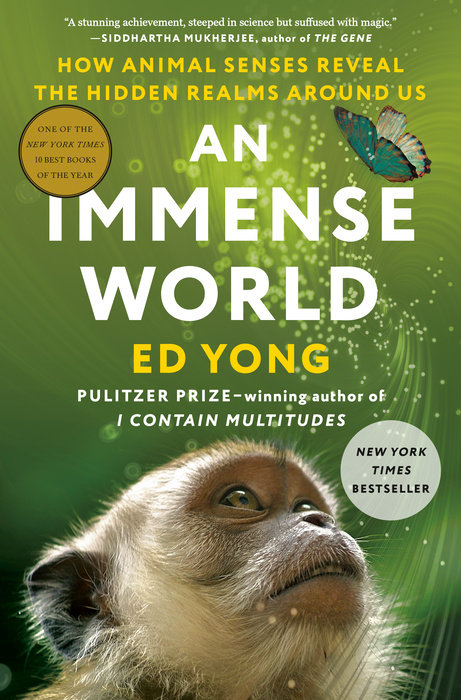 An Immense World; How Animal Senses Reveal the Hidden Realms Around Us, Ed Yong, Random House/Bodley Head, June 2022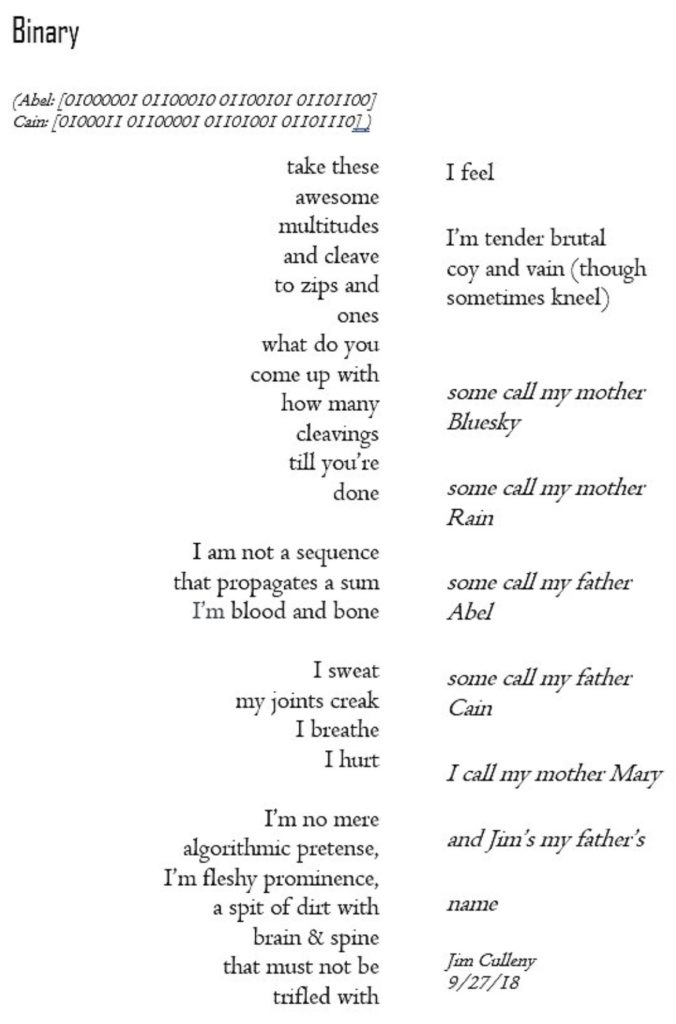
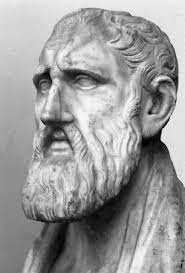 One of the more remarkable developments in popular philosophy over the past 20 years is the rebirth of stoicism. Stoicism was an ancient Greek and Roman philosophy founded around 300 BCE by the merchant Zeno of Citium, in what is now Cyprus. Although, contemporary professional philosophers occasionally discuss Stoicism as a form of virtue ethics, most consider it to be a minor philosophical movement in the history of philosophy with limited influence. Yet it has captured the attention of the non-professional philosophical world with many websites and online communities devoted to its practice.
 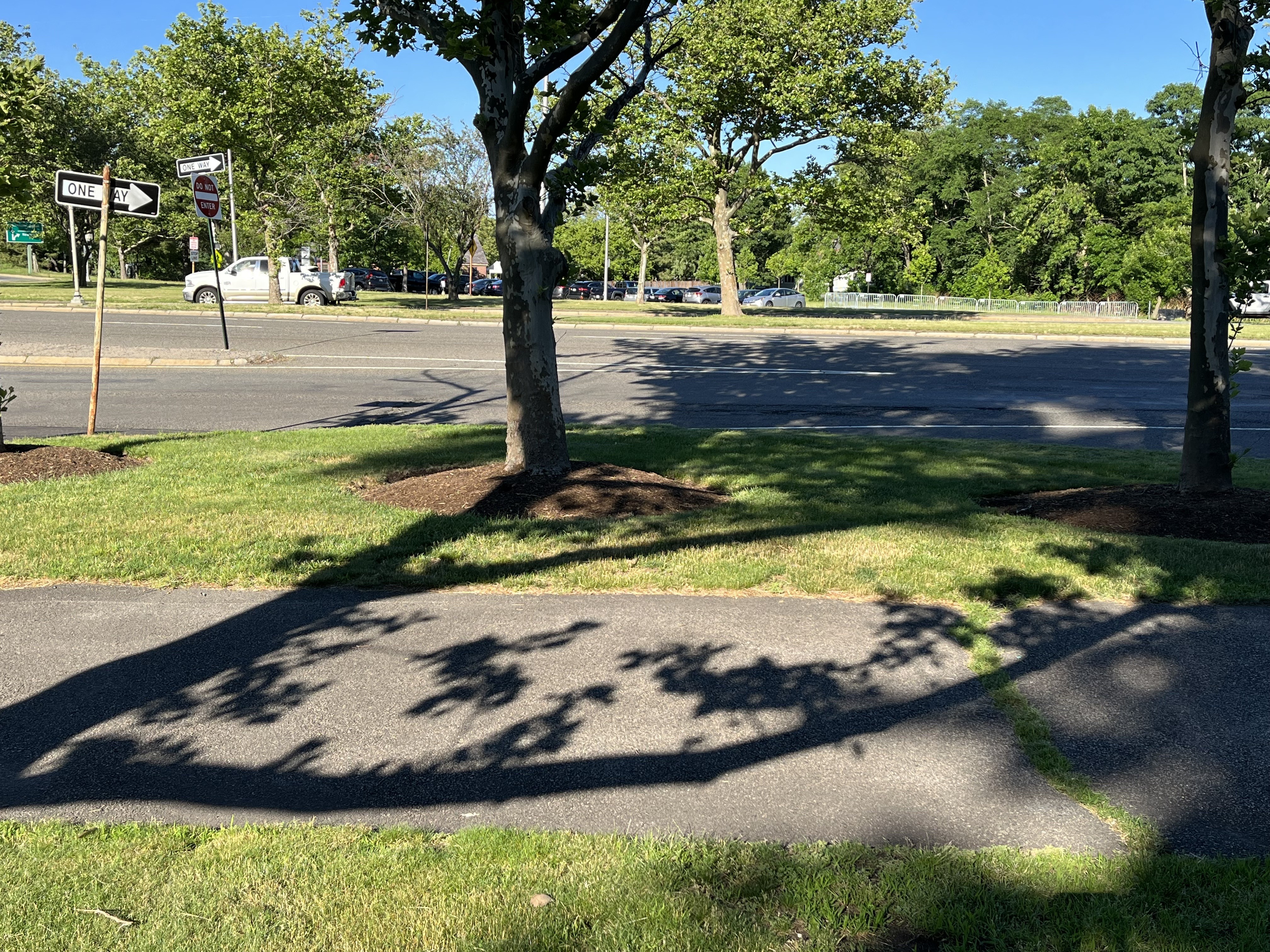 Sughra Raza. Be Unvaan. June 11, 2022, Cambridge, MA.

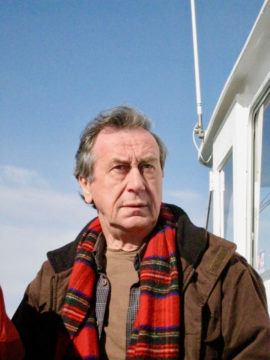 Thomas O’Dwyer, my husband, died on Wednesday. He wouldn’t approve of this beginning. In his articles he always came up with something original or intriguing to draw the reader in.