
by Derek Neal
 Going back and reading one’s favorite authors is like seeing an old friend after a long absence: things fall into place, you remember why it is you get along with and like the other person, and their idiosyncrasies and unique character reappear and interact with your own, making old patterns reemerge and lighting up parts of you that have long been dormant.
Most, if not all my favorite authors, simply write and re-write the same book over and over again. This is often leveled as a criticism, but it is also a compliment. It means that the author in question has developed an individual voice and style that is present in all their works, often being refined over successive books until they eventually write the book that they’ve been trying to write in previous attempts, and this emerges, like a pearl, as the culmination of a lengthy process.
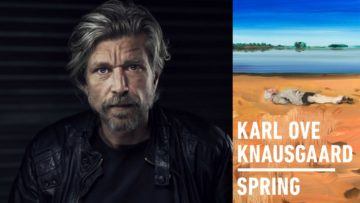
These were the thoughts I had upon recently reading Karl Ove Knausgaard’s novel/memoir/letter Spring, published in English in 2018. I guess the appropriate publishing term for Knausgaard’s writing is “autofiction,” but it doesn’t really matter, Knausgaard just writes about his life and looks at himself and his actions with such unflinching honesty, and the world around him with such open and sincere curiosity and attention—also characteristic of his My Struggle series—that he is one of those writers who merits his own adjective—Knausgaardian, or Knausgaardesque, or perhaps people today would say Knausgaardy, although this feels flippant and inappropriate, so I’ll go with Knausgaardesque, also because I like the resonance it has with how Kafka’s style is Kafkaesque. Read more »
 The western admirers of Amartya Sen as a public intellectual may not be aware that he is actually in a long line of globally engaged cultural elite that Bengal has produced. (This is true to some extent of the elite elsewhere in India as well, particularly around Chennai and Mumbai, but I think in sheer scale over the last two hundred years, Bengal may have a special claim). One aspect of this phenomenon is worth reflecting on. These members of the cultural elite were well-versed in the manifold offerings of the West, but they came to them with a solid grounding in the cultural wealth of India. Take Ram Mohan Roy (1772-1833). He was, as Nehru describes him in his Discovery of India, “deeply versed in Indian thought and philosophy, a scholar of Sanskrit, Persian and Arabic, ..a product of the mixed Hindu-Muslim culture, …the world’s first scholar of the science of Comparative Religion.” He contributed to the development of Bengali prose. He was a social reformer in Hindu society, actively engaged in serious religious debates with Christian missionaries in India, and a champion of women’s rights and freedom of press (standing up against colonial censorship). Yet when he went to England he caused some stir as the urbane face of a reforming Indian society, was active in campaigning for the 1832 Reform Act as a step to British democracy. The philosopher Jeremy Bentham reportedly even began a campaign to elect him to the British Parliament (but Roy caught meningitis and died in Bristol soon after).
 The perfect, so the saying goes, is the enemy of the good. Don’t deny yourself real progress by refusing to compromise. Be realistic. Pragmatic. Patient. Don’t waste resources and energy on lofty but ultimately unobtainable goals, no matter how noble they might be; that will only lead to frustration, and worse, hold us all back from the smaller victories we can actually achieve.
 My eyes traced the 1500-mile-long arc of the Aleutian Range. Running down the Alaskan Peninsula, the land on either side of the mountains is mainly wilderness and wildlife refuges. Even more astonishing was the complete absence of roads. As a Californian that is hard to fathom.
 A mandate isn’t necessarily tyrannical. It’s a rule that, in any good government, is devised to protect the people from harm so we can better live and work together. We must monitor legislation to ensure we stop laws that can harm people, but we also need to get involved when harm comes from a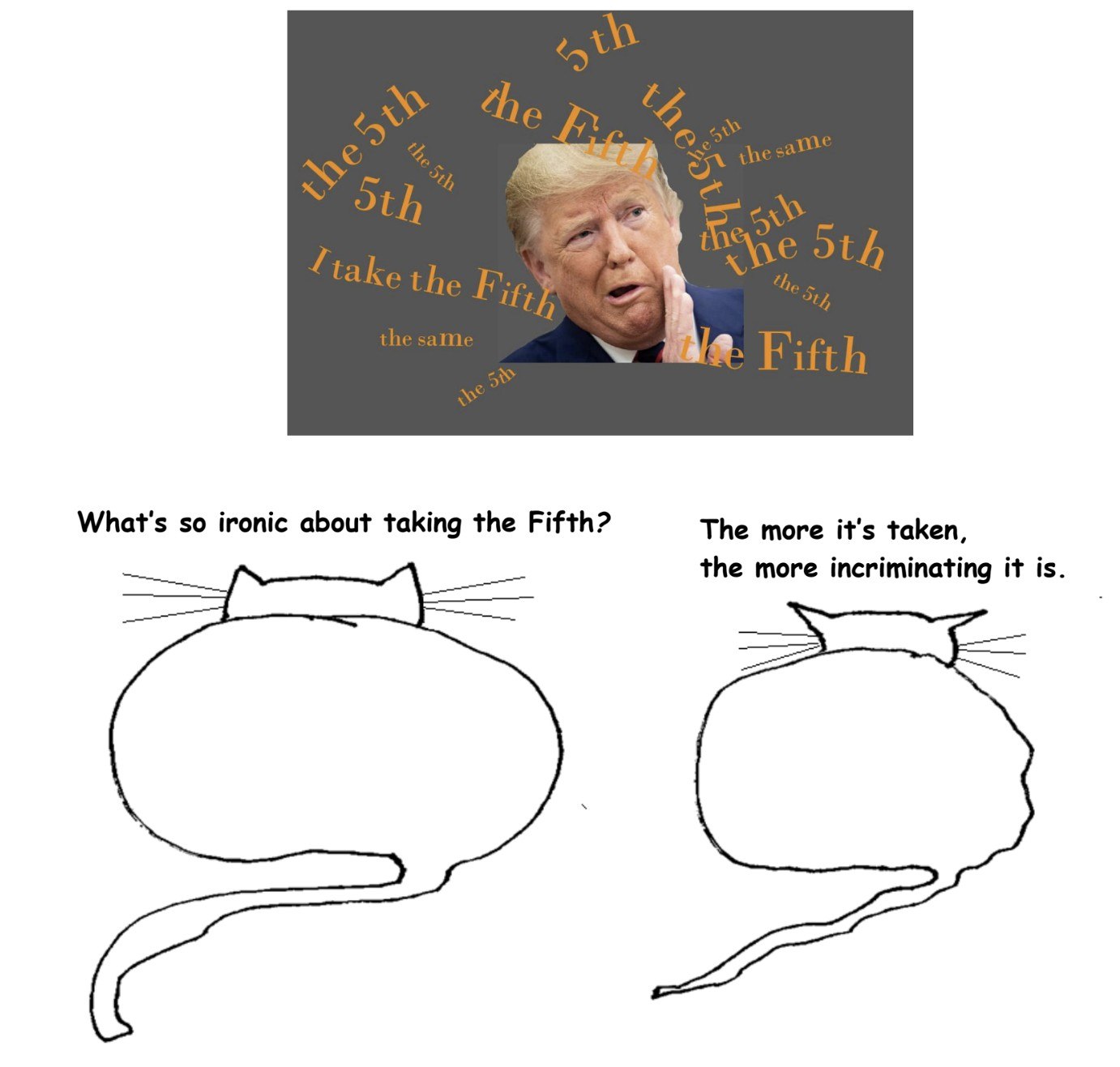
 It’s 1980, I’ve just had my first proper kiss, and the newspapers are announcing the death of love.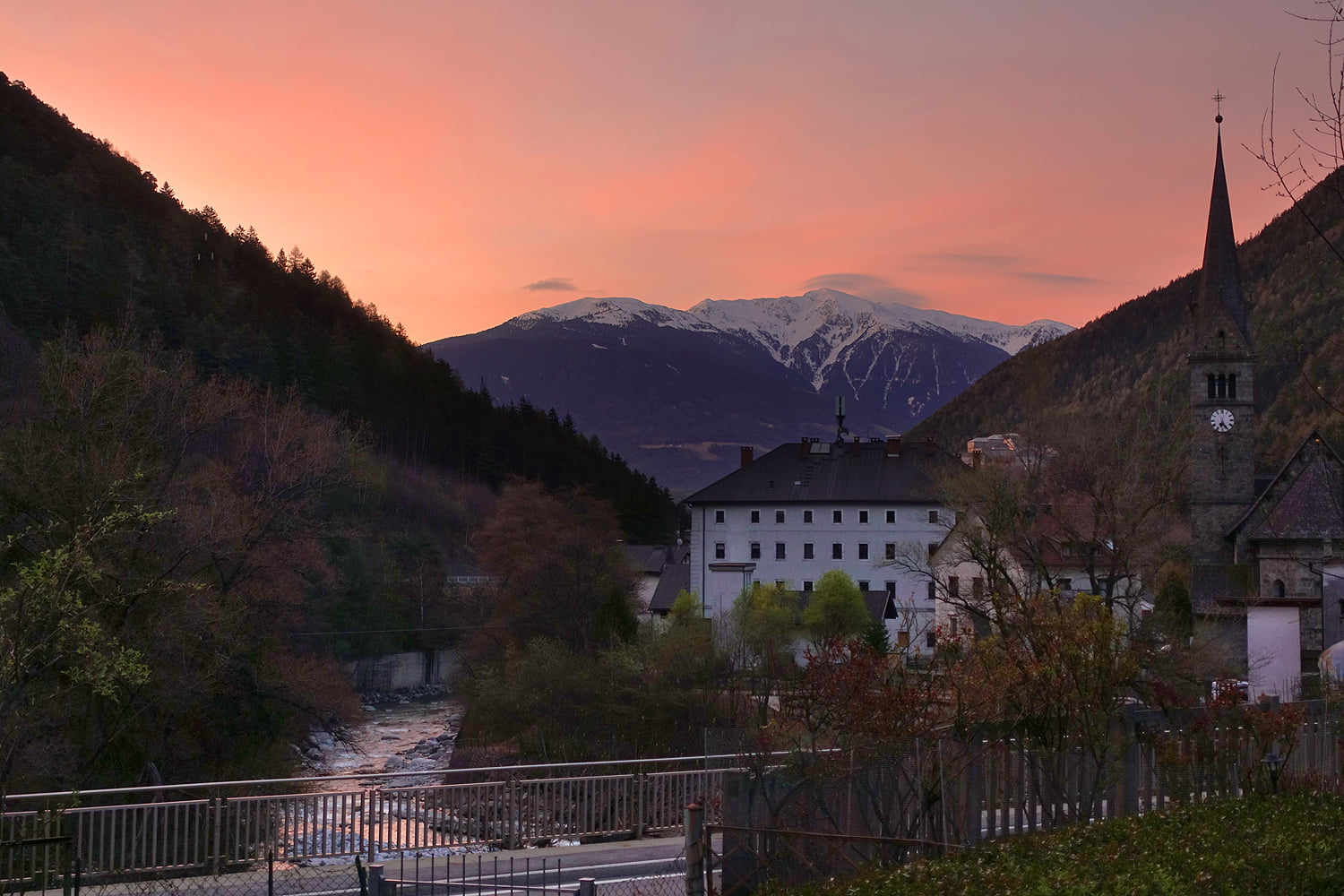
 In June 1945, the American military appointed twenty-nine-year old Pat Lochridge mayor of Berchtesgaden, the tiny fairytale Bavarian town near the Austrian border crowded by Alps, where three thousand feet up, Hitler built his Eagle’s Nest retreat. “It is the intention of the Allies that the German people be given the opportunity to prepare for the eventual reconstruction of their life on a democratic and peaceful basis,” wrote the Allies at Potsdam.
 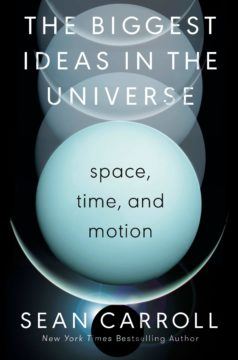 Physicists writing books for the public have faced a longstanding challenge. Either they can write purely popular accounts that explain physics through metaphors and pop culture analogies but then risk oversimplifying key concepts, or they can get into a great deal of technical detail and risk making the book opaque to most readers without specialized training. All scientists face this challenge, but for physicists it’s particularly acute because of the mathematical nature of their field. Especially if you want to explain the two towering achievements of physics, quantum mechanics and general relativity, you can’t really get away from the math. It seems that physicists are stuck between a rock and a hard place: include math and, as the popular belief goes, every equation risks cutting their readership by half or, exclude math and deprive readers of a deeper understanding. The big question for a physicist who wants to communicate the great ideas of physics to a lay audience without entirely skipping the technical detail thus is, is there a middle ground?
 Sughra Raza. Self-portrait in Reflected Morning Light, August 2, 2022.