by Rebecca Baumgartner
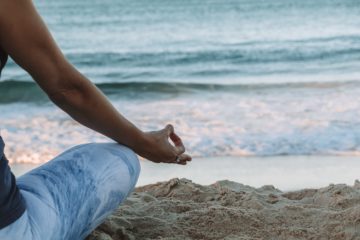
Imagine someone sitting cross-legged on the floor and breathing deeply. Now imagine someone sitting on a couch and playing a video game.
Which of these is mindfulness and which is escapism? What differentiates them? Why does one seem healthier or more virtuous than the other? And what assumptions about human cognition and flourishing does that assignment of virtue rest on?
Mindfulness adherents tell us we can savor the present moment by noticing all our physical sensations in great detail: the textures we feel, the sounds we hear, the sensation of our breathing, and other forms of physical feedback. Our personality and ego take a backseat to simply being present to what’s around us.
My contrarian view is that this hyperfocus on minutiae allows the person sitting on a mat meditating to escape everything in their life that isn’t sitting on a mat meditating. Wanting to escape is not the problematic part; the issue is that we’re deceiving ourselves that it’s not escapism. Meditating and other forms of mindfulness offer a metaphysical escapism that lets you pretend for a while that you are no more than an organism receiving inputs from your immediate surroundings, with no interpretative or meaning-making capabilities. This is why certain types of meditation and other mindful states are described as “no-mind” states.
While meditating, you’re not an adult with responsibilities or a personality or justified reasons to be angry or sad – no, you’re something much simpler and easier to control: a Mars rover or a rat in a Skinner box, simply responding to stimuli and gathering data from your surroundings, making no judgments, having no desires, and keeping emotional reactions in check. If your mind does break the rules and have a thought (and it always will), you are supposed to observe it impersonally, as though it’s a cloud passing high above that has nothing to do with you. Read more »
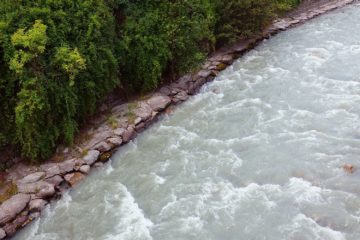 One of the easy metaphors, easy because it just feels true, is that life is like a river in its flowing from then to whenever. We are both a leaf floating on it, and the river itself. Boat maybe. Raft more likely. But those who know such things say there is a river beneath the river, the hyporheic flow. “This is the water that moves under the stream, in cobble beds and old sandbars. It edges up the toe slope to the forest, a wide unseen river that flows beneath the eddies and the splash. A deep invisible river, known to its roots and rocks, the water and the land intimate beyond our knowing. It is the hyporheic flow I’m listening for.” The person speaking is Robin
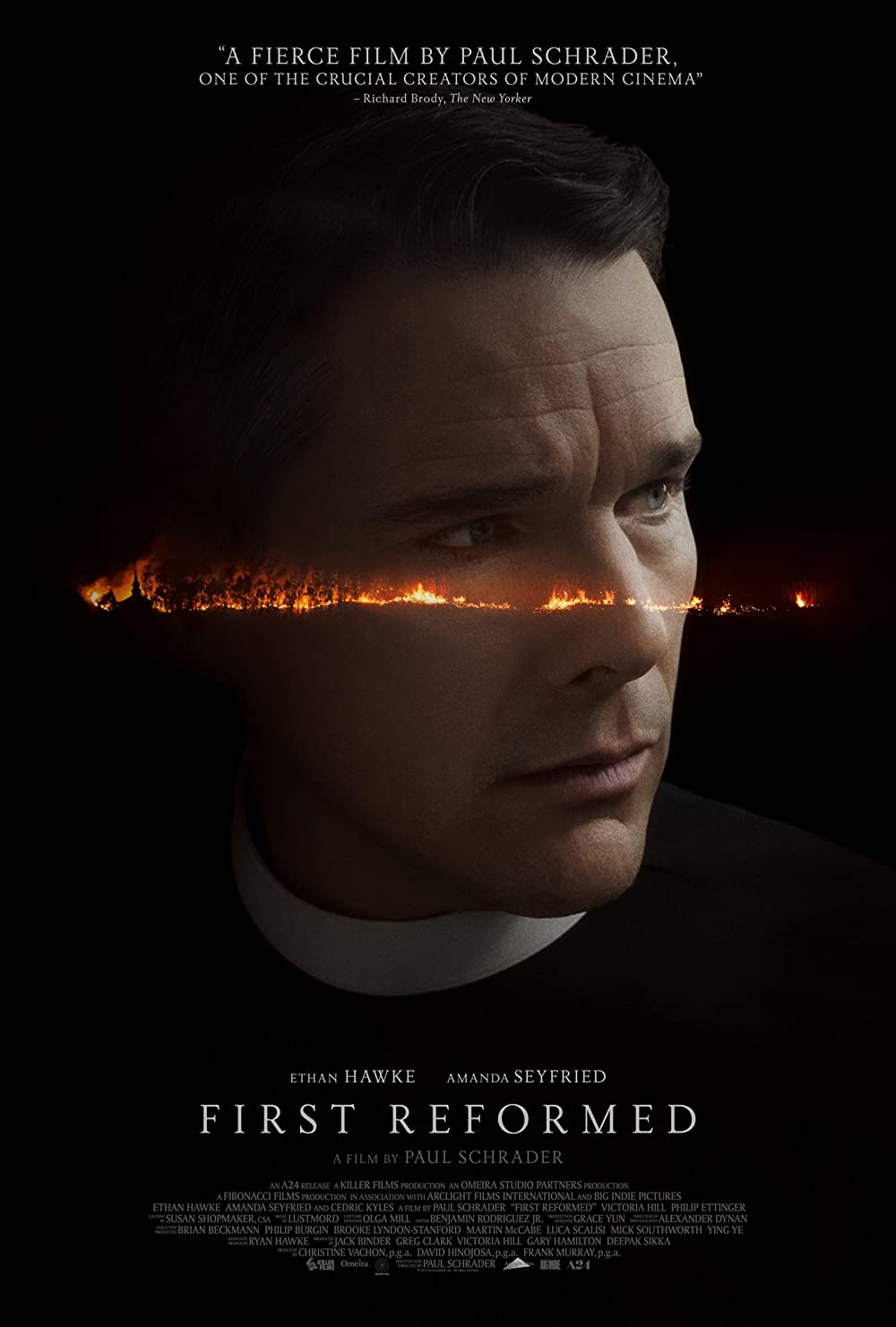 There is a scene near the end of First Reformed, the 2017 film directed by Paul Schrader, where the pastor of a successful megachurch says to the pastor of a small, sparsely attended church: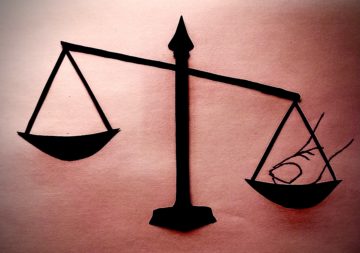

 Maria Berrio. From the series “In A Time of Drought”.
 The Lede
 1.
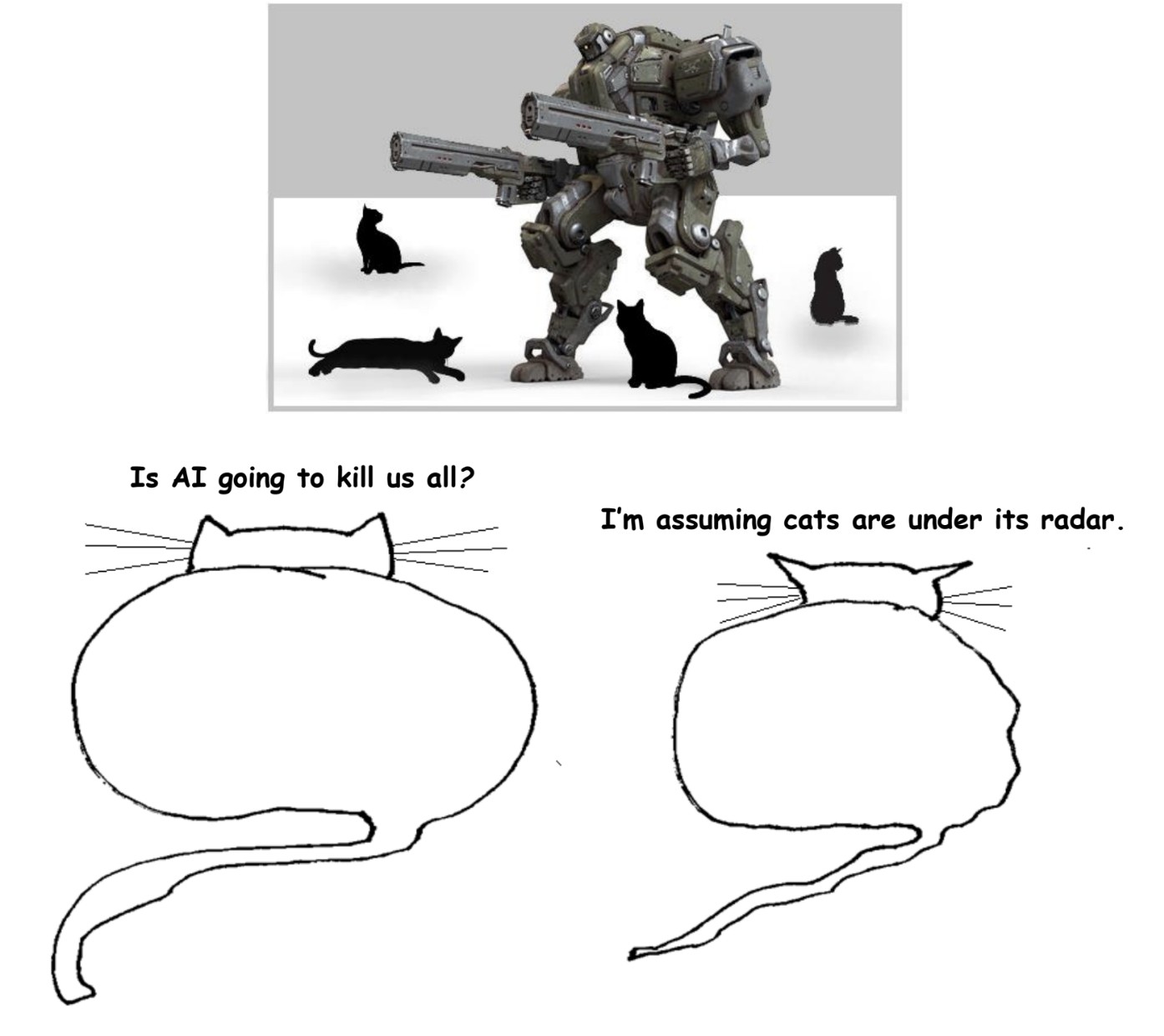
1.

 “D — — , I presume, is not altogether a fool, and, if not, must have anticipated these waylayings, as a matter of course.”
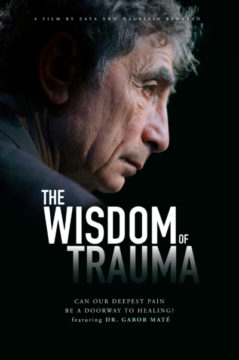 He received the Order of Canada, profoundly helped many people with addiction on the streets of Vancouver, and is much loved and admired, but some of Dr. Gabor Maté’s claims feel like they don’t hold water. And some claims might actually be dangerous if blindly accepted.