
by Amir Zadnemat
Introduction: Flight from Tranquility
In the age of noise, we have become refugees from silence. Imagine a world where every moment of wakefulness is filled with sound. From the jarring morning alarm to the podcast we listen to on the way to work; from the constant murmur of the office to the background music in the café; from the endless information on our smartphones to the television that’s on just to have “something” playing. We, the people of the 20th and 21st centuries, are master architects of sonic walls. Skillfully, we fill every gap and empty space in our daily lives with noise and information.
For many of us, silence has become a strange, uncomfortable, and even frightening concept. This auditory void is like a mirror we fear to gaze into. But this global flight bears witness to a deeper truth: silence is not merely the absence of sound. If it were, it wouldn’t evoke such terror.
Silence is an active and powerful presence—an entity with its own character and unique qualities. Not an empty canvas, but the canvas itself; the surface upon which the meaning of sound, thought, and self-existence is painted. Silence can be soothing or terrifying, intimate or threatening, sacred or humiliating. It is a universal language that conveys the deepest messages without a single word.
This article is an invitation to a conscious journey into the heart of this forgotten land. Our goal is to explore the multifaceted nature of silence to demonstrate that this “nothingness” of hearing is, in fact, “everything.” From the physics of vacuum to the psychology of solitude; from its vital role in music and art to its power as a political and spiritual tool, we analyze silence not as absence, but as a complex and meaningful entity.
This is an effort to reclaim silence; not as a void to flee from, but as a sacred space to embrace and listen to its meaningful voice. Let us, for a moment, lower the volume of the world and tune into the melody of existence. Read more »





 The Paradox
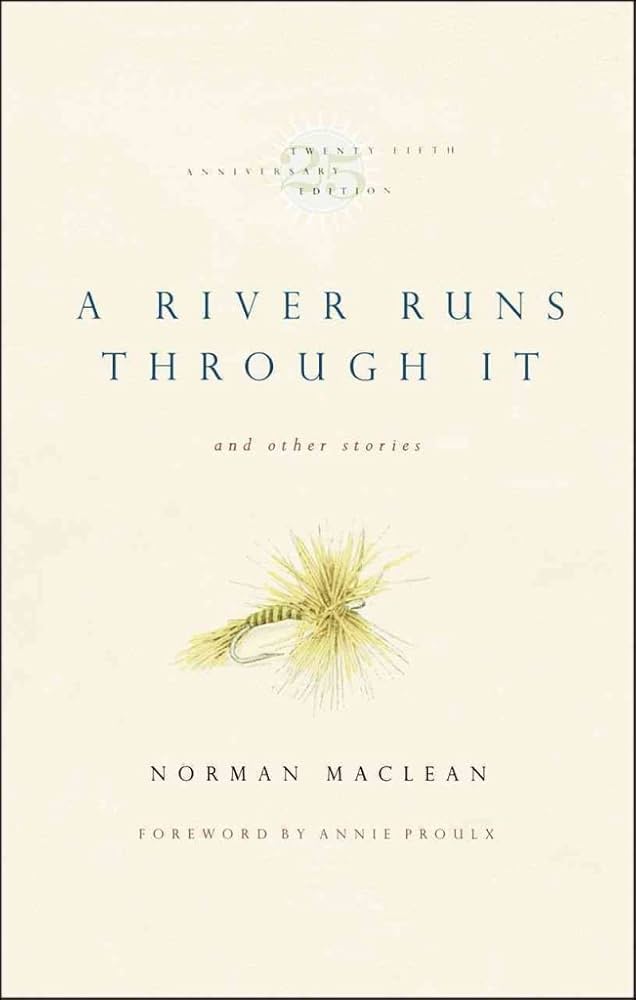 Three weeks later and I’m almost fully healed. My ribs still hurt when I lie down to sleep and when I rise in the morning, but sitting and walking are fine. In another week I’ll be able to return to the gym and attempt some light weightlifting, a welcome resumption of my weekly routine. There was, however, a silver lining to my accident. In the days immediately following it, I could do little else but read. Sitting down in a chair, I was stuck there. So it was that I took A River Runs Through It (1976) by Norman Maclean off the bookshelf in my father’s office and began to turn its pages.
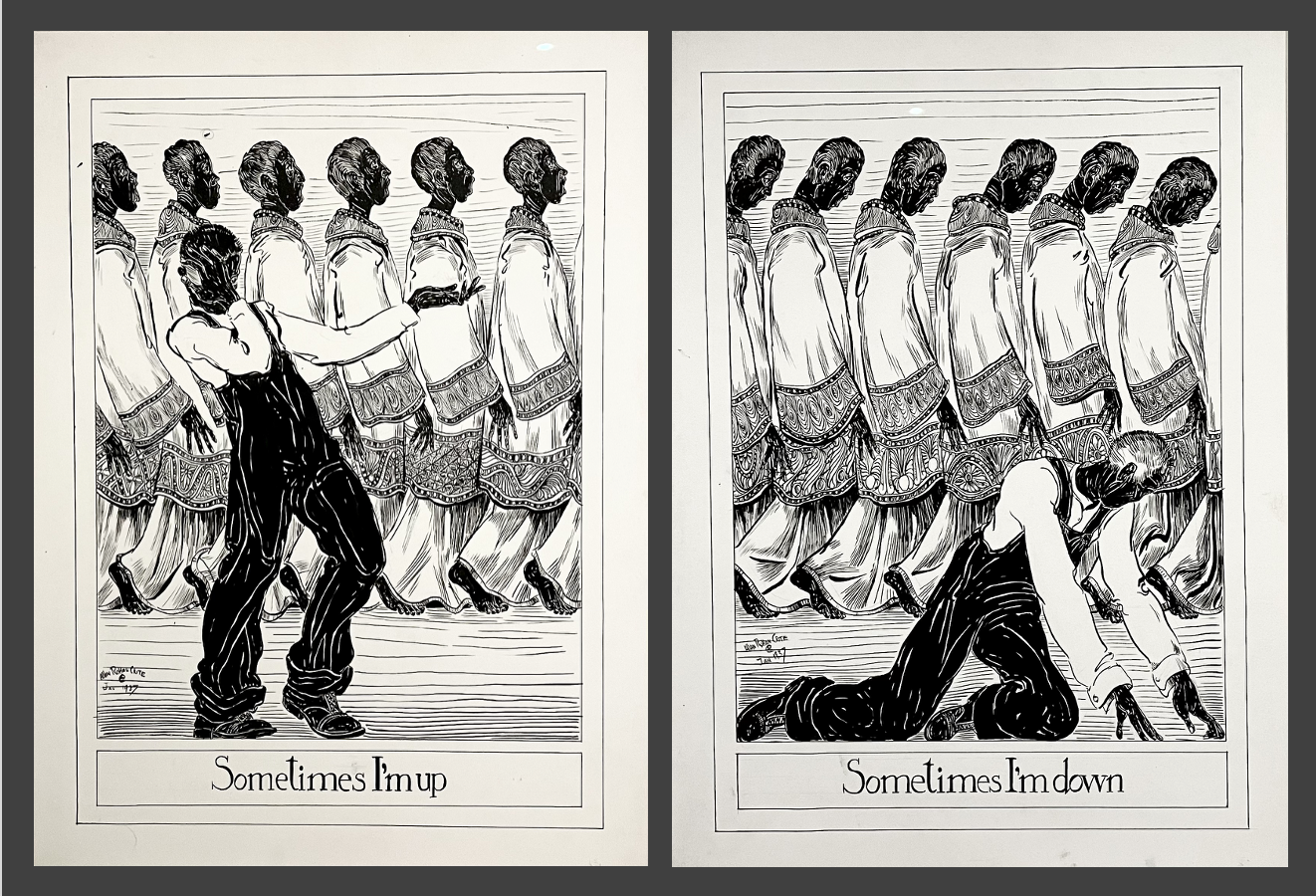 Allan Rohan Crite. Sometimes I’m Up, Sometimes I’m Down. Illustration for Three Spirituals from Earth to Heaven (Cambridge, Mass., 1948),” 1937.


 Did you ever read Ambrose Bierce’s short story “An Occurrence at Owl Creek Bridge”? If not, it starts as the story of a man who is going to be hanged. As the trap door opens under him, he falls, the rope tightens around his neck but snaps instead of bearing his weight, and he is able to escape from under the gallows. For several pages he wanders through a forest truly sensing the fullness of life in himself and around himself for the first time.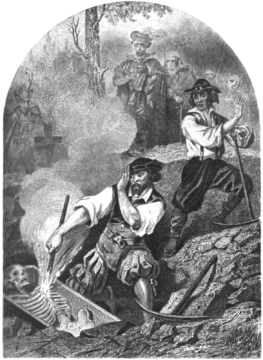
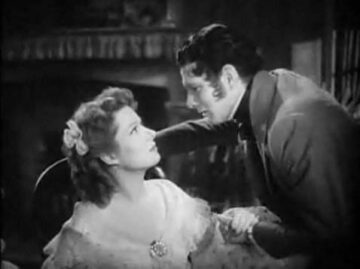
 Most fiction tells the story of an outsider—that’s what makes the novel the genre of modernity. But Dracula stands out by giving us a displaced, maladjusted title character with whom it’s impossible to empathize. Think Anna Karenina, Madame Bovary, or Jane Eyre but with Anna, Emma, or Jane spending most of her time offstage, her inner world out of reach, her motivations opaque. Stoker pieces his plot together from diary entries, letters, telegrams, newspaper clippings, even excerpts from a ship’s log. Everyone involved in hunting down the vampire, regardless of how minor or peripheral, has their say. But the voice of the vampire himself is almost absent.