by Adele A.Wilby
 Books on nature abound. More recently, physicist Helen Czerski’s deep knowledge of the seas functioning as an ‘ocean engine’ in Blue Machine: How the Ocean Shapes the World, elevates our understanding of the ocean and provides us with a new appreciation of its integral role in the Earth’s ecosystem. Volcanologist Tamsin Mather ‘s Adventures in Volcanoland: What Volcanoes Tell Us About the World and Ourselves is also another beguiling journey into the awesome history of the ‘geological mammoths’ that are volcanoes and their dynamics, that have changed the surface of the Earth and impacted on its environment.
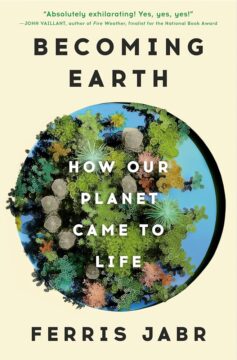
But these books are more than the science of the specialist subject being explored: they have literary value also. The authors are to be lauded for the elegance of their prose that make the books not only fascinating and illuminating, but accessible and a real joy to read. Deeper knowledge of the planet’s ecosystems is made available to us, and they excite a sense of wonder and awe at the complexity of life on planet Earth. Cumulatively, these books highlight just how far the interrelatedness of different aspects of the natural world is. Ferris Jabr’s Becoming Earth: How Our Planet Came to Life is in that tradition. His book is a real feast for readers of books about life on Earth and for those who appreciate literary work: Jabr is not only knowledgeable, but a master of lyrical prose also.
Jabr’s book does not specialise on one aspect of the planet, such as volcanoes or the oceans. Instead, Jabr is concerned about the planet and how it came to ‘life’. In that sense he breaks with what could be considered the more conventional wisdom that posits life on the planet as being subject to its environment, and the Darwinian scientific paradigm that the changing demands of the environment dictate how life evolves and those best able to adapt will survive. Instead, Jabr focuses on what he considers the ‘underappreciated twin’ of evolution and posits a more interrelated view that ‘life changes the environment’. His book is, he says, ‘an exploration of how life has transformed the planet, a meditation on what it means to say that Earth itself is alive’.
To claim that the ‘Earth itself is alive’ truly does demand that a reader stretch the perimeters of conventional views of the Earth as an inanimate planet where the conditions for life were possible. Although the earliest iterations of an understanding of the planet as a living entity were mooted centuries ago, it is only since the 1960s when scientist and inventor James Lovelock and his association with the little known and unrecognised Dian Hitchcock, introduced the ‘Gaia hypothesis’ and later developed by American biologist Lynn Margulis, that more seriousness was given to the idea. Initially scientists subjected the ‘hypothesis’ that ‘life transforms the planet and is integral to its self-regulating process’ to rigorous criticism, but it remains, according to Jabr, the fundamental tenet in earth system science today. Read more »
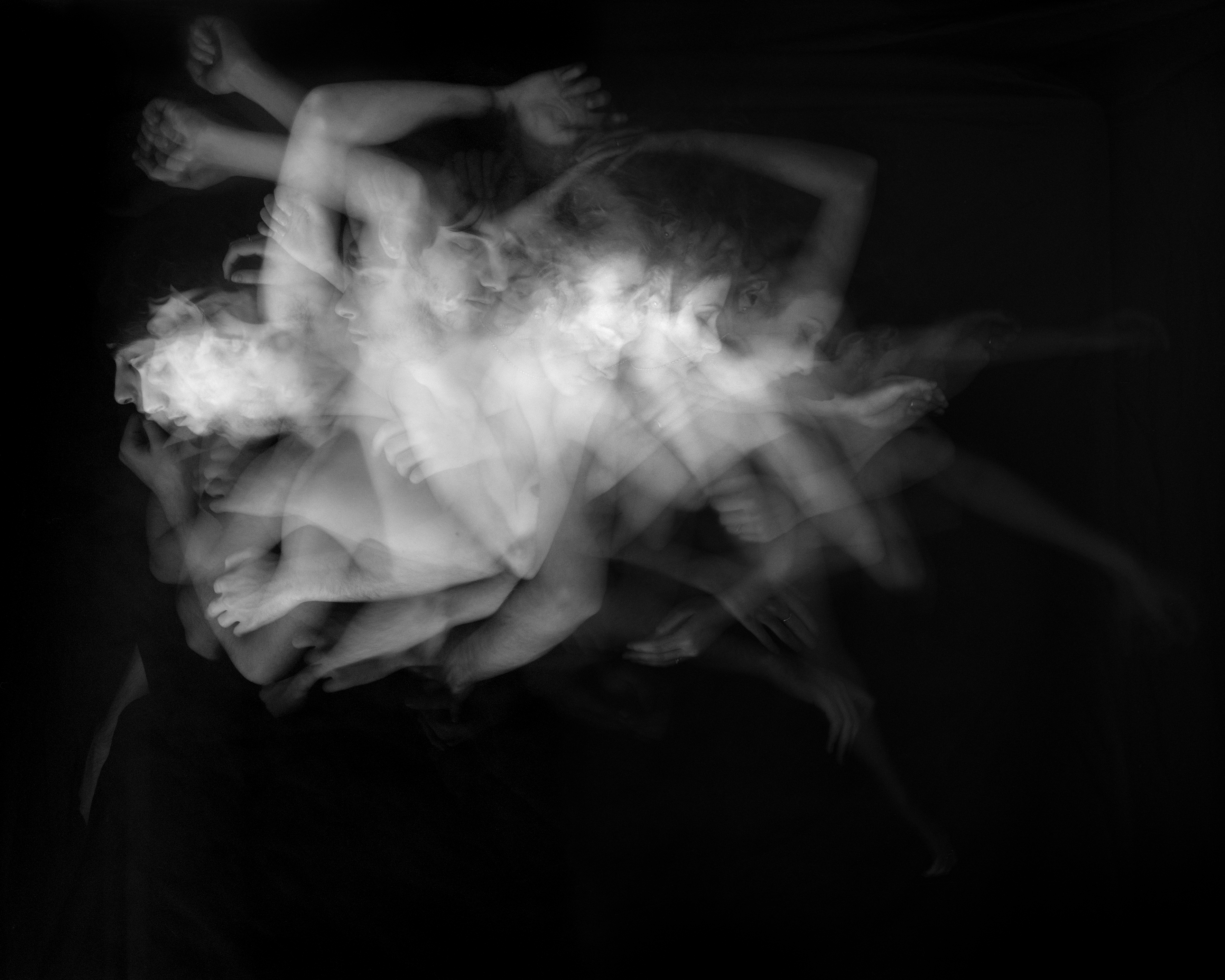
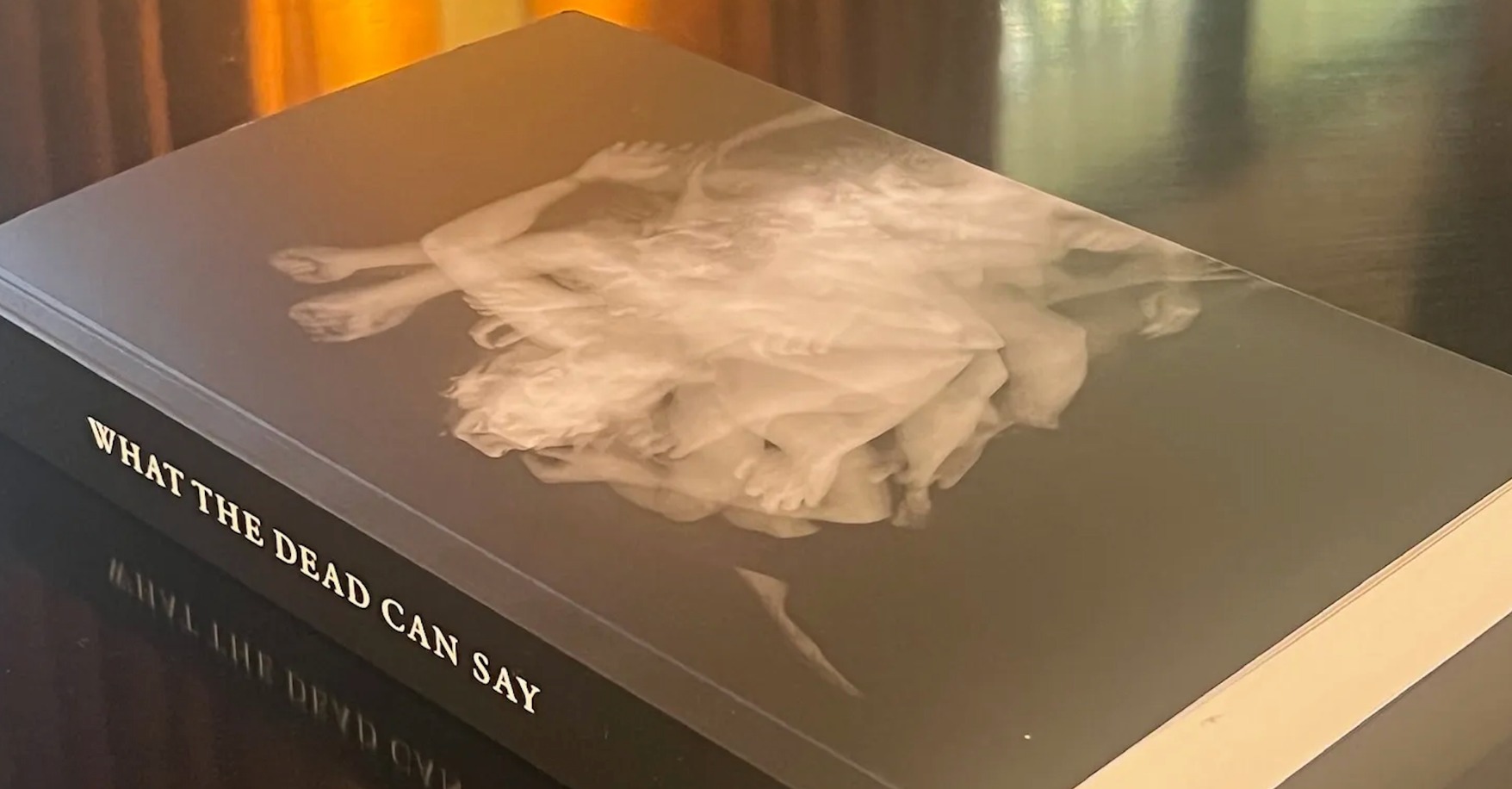 Michele Morano: Philip Graham has long been one of my favorite writers to read and to teach because of his insights, humor, and ability to challenge what we think we see. A versatile author of fiction and nonfiction— whose work has appeared in The New Yorker, Paris Review, Washington Post Magazine, McSweeney’s and elsewhere—Graham chooses subjects that explore the rippling surfaces and deep currents of domesticity at home and abroad. Each of his books illustrates Graham’s powers of perception, interpretation, and experimentation, along with his irrepressible interest in people, the more varied and unlike himself, the better. And each has contributed to the perspective of his latest project.


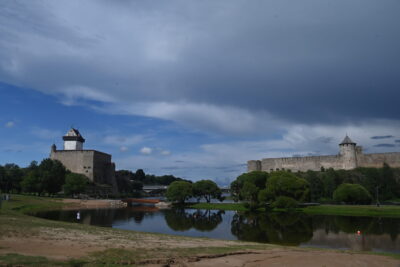 It’s raining in Russia. Thunderheads boil up in the afternoon heat over there, behind the limestone block fortress on the other side of the river. Which is not a wide river. You can shout across it.
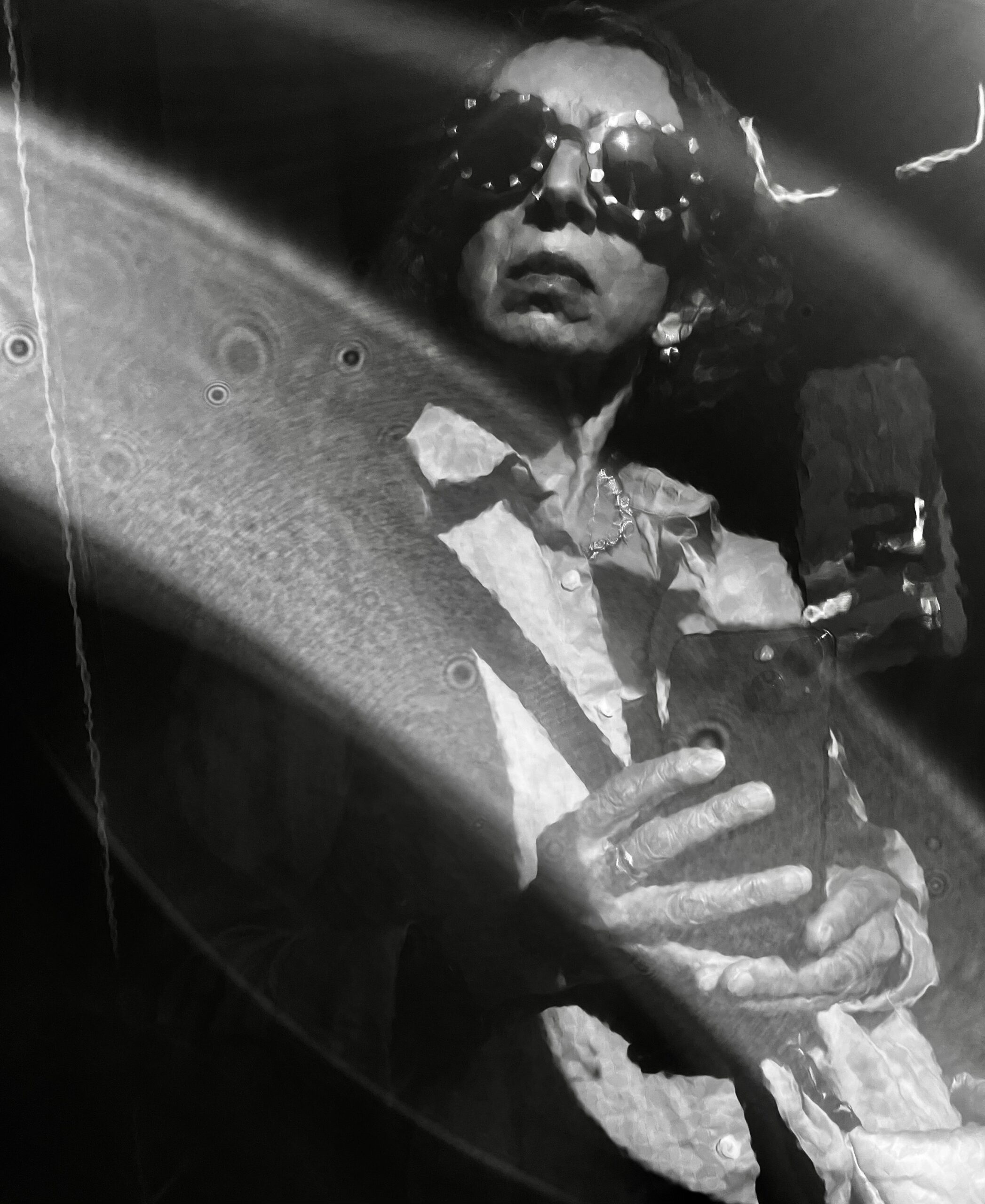 Sughra Raza. On the Train to Franzensfeste. September, 2024.
 Even if you are sympathetic to Marx — even if, at any rate, you see him not as an ogre but as an original thinker worth taking seriously — you might be forgiven for feeling that the sign at the East entrance to Highgate Cemetery reflects an excessively narrow view of the political options facing us.