
by Thomas R. Wells

Putin’s invasion of Ukraine has reminded everyone of how dangerous a world we live in. As rich countries scramble to rebuild militaries dismantled by post-Cold war complacency, one of the other problems of national success has become apparent: young people have better things to do than play soldier.
My solution: conscript the old instead
Armies have a recruitment problem: they can’t get enough healthy young men to join. Young men have traditionally been the best recruits for fighting wars. They can carry lots of equipment over long distances without getting too tired to fight afterwards. They generally lack a visceral awareness of their own mortality, so they can be ordered to do insanely dangerous things. Indeed, many of them rather enjoy the excitement, intense camaraderie, and sense of shared purpose that accompanies war-fighting, and the survivors look back on it fondly when they have grown old and boring. As only partially formed adults, young men conveniently also lack the self-confidence and resources to question orders and hierarchies.
Most crucially, until very recently young men have been cheap, plentiful and easily replaced. The death of an 18 year old man was no great loss to a pre-industrial society, since it didn’t represent any great stock of human capital. (It did represent a stock of muscle power, but subsistence economies were generally constrained by the available land rather than the labour supply to work it.) Fertility rates were high so lost men could easily be replaced as long as plenty of fertile women remained. Altogether then, the cost of using up vast numbers of young men’s lives in warfare was quite affordable and hence commonplace. (Archaeological estimates for male mortality rates by violence in the hunter-gatherer societies that my students like to romanticise range from a terrifying 5% to a scarcely imaginable 35%, and sometimes even higher – see e.g. the research summarised by Azar Gat.)
Young men are still the ideal recruits for war-fighting. But their lives are far more valuable than they used to be, thanks to demographic and economic changes over the last 200 years (the drivers and consequences of the rise of capitalism). Read more »
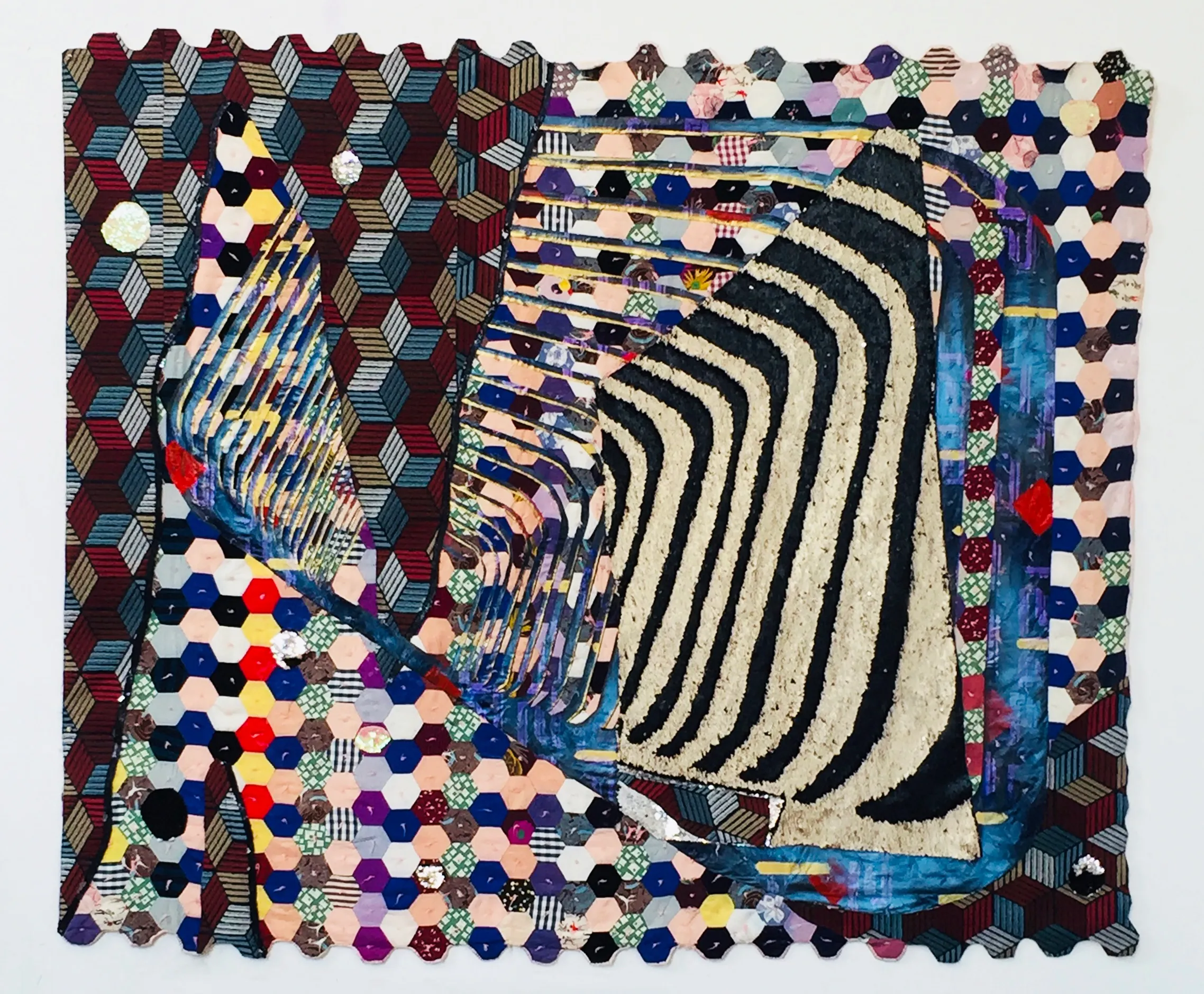 Sanford Biggers. Transition, 2018.
 Have you ever read a book that you thought you were going to write? A book that captures something you’ve experienced and wanted to put into words, only to realize that someone else has already done it? The Apartment by Greg Baxter is that book for me.

 It was my birthday last month, a “round” one, as anniversaries ending in zero are known in Switzerland; and in gratitude for having made it to a veritably Sumerian age, as well as for the good health and happiness I am currently enjoying, I threw a large party for family and friends. Then, not quite one week later, I flew off to Albania, a land I have come to associate with the sensation and enactment of gratitude.
 Introduction
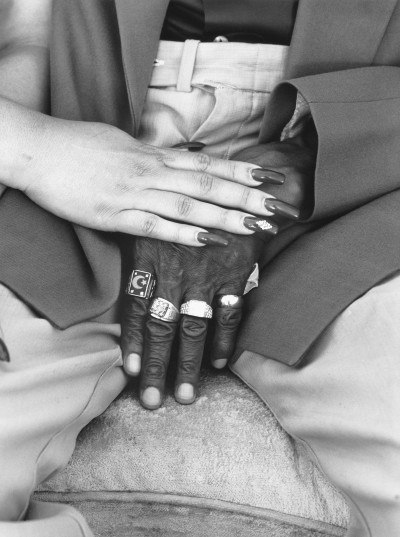 LaToya Ruby Frazier. Mom and Mr.Yerby’s hands, 2005.
 The turn of the 21st century saw a burst of atheistic declarations and critiques in the United States and Great Britain, led by a small group of celebrity atheists including Philosopher Daniel Dennett, Biologist Richard Dawkins, and journalist Christopher Hitchens. I have always found this New Atheism, as the movement is often called, to be a mixed bag. It was long overdue, and many good (if obvious) points were made. However, there was also a fair bit of navel-gazing and even stupidity. And among some of the celebrity leaders, I believe, there was also a profound misunderstanding of religion, how it functions, and even its basic purposes.

 According to the anthropologist James Bielo