by Andrea Scrima
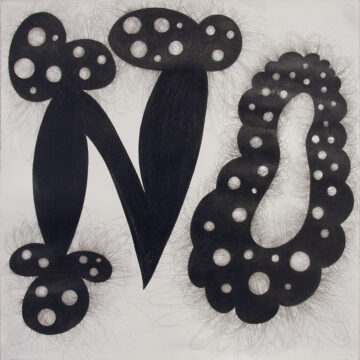
#1: SAYING NO
In the talk Judith Butler gave upon receiving the Adorno Prize in 2012, she asks: “Can one lead a good life in a bad life?” Her question springs from a conclusion Theodor W. Adorno formulated in Minima Moralia: “Wrong life cannot be lived rightly” (“Es gibt kein richtiges Leben im falschen”). Years later, he speculated whether modern humans were already too damaged to live in a right world, should such a world ever come into being. Butler nonetheless asks if it’s morally permissible to “wish simply to live a good life in the midst of a bad life,” but concedes that it’s not so simple. It would seem that to pursue the “good” life, one must reject the “bad” life and everything it demands from us. Yet isn’t the term “the good life” already far too tainted by consumerism to be of any real use?
Let’s speak instead of a “true life” as opposed to a “false life.” But what is the nature of this undertaking, and what would the true life entail? The fact that we are interdependent and vulnerable beings presupposes a set of conditions required for even a minimally decent life: food, shelter, clothing, a halfway functioning society, some kind of livelihood. Butler reminds us of Hannah Arendt’s observation that it’s not enough to be alive, to merely survive—that for a life to be considered a life, it has to be lived with meaning and purpose.
Thus, our demand must be not merely for life, but for a liveable life. And yet our lives are not entirely in our hands; they are subject to political and economic structures that rob individuals and entire peoples of their agency and doom them to precarity, and often worse. In Problems of Moral Philosophy, Butler reminds us, Adorno asks “how the broader operations of power and domination enter into, or disrupt, our individual reflections on how best to live.” Read more »

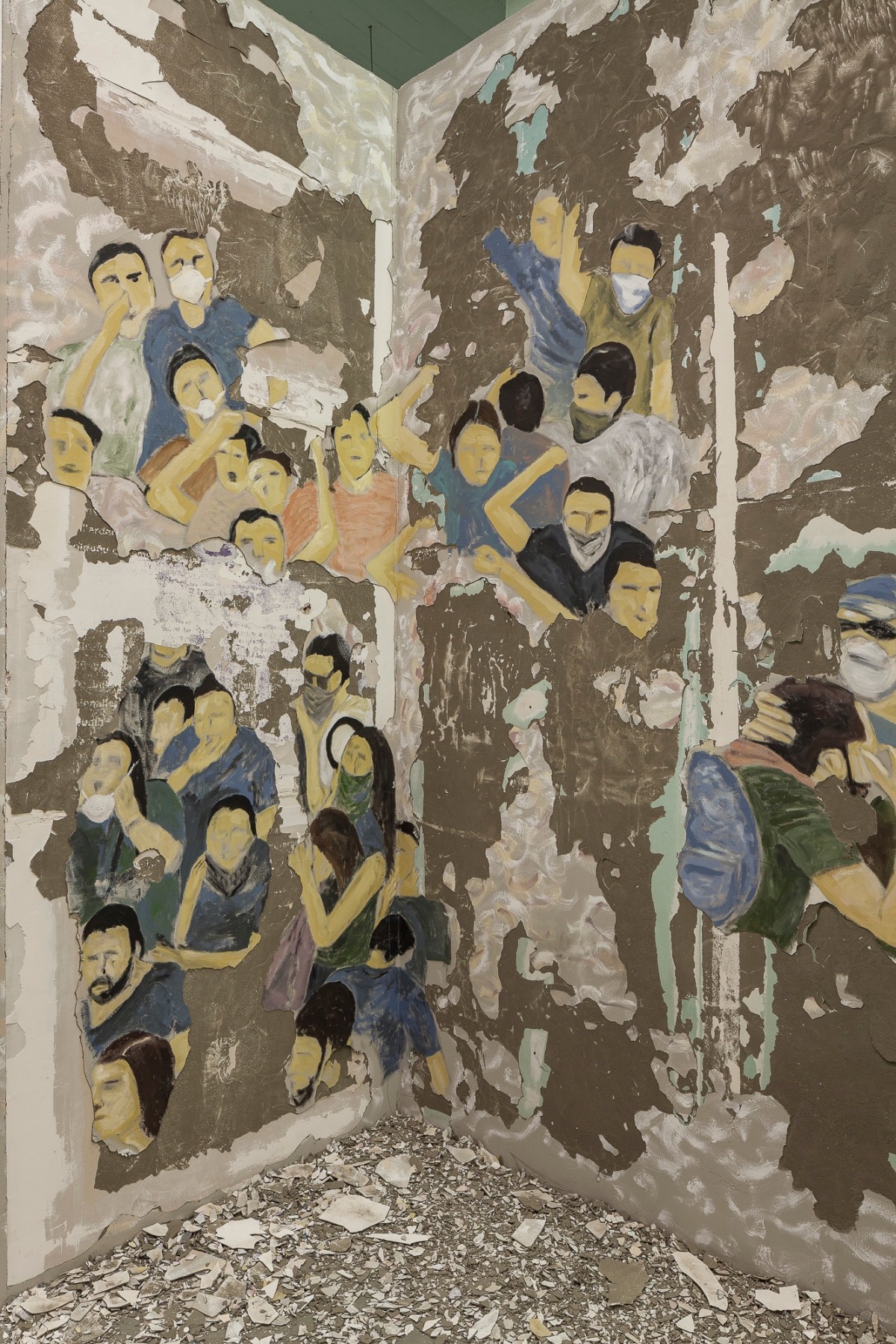 Latifa Echakhch. Taqsim, 2017.


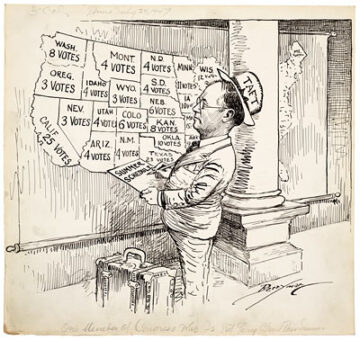
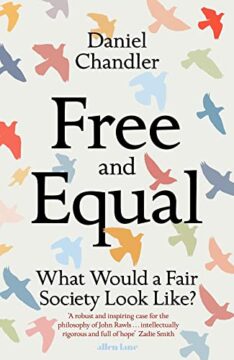 In 2015, political scientist Larry Diamond warned against defeatism in the face of what he called the
 The Sufis aspire to the highest conception of love and understand it to be the vital force within, a metonym for Divine essence itself, obscured by the ego and waiting to be recovered and reclaimed. Sufi poetry, in narrative, or lyric form, involves an earthly lover whose reach for the earthly beloved is not merely a romance, rather, it transcends earthly desire and reveals, as it develops, signs of Divine love, a journey that begins in the heart and involves the physical body, but culminates in the spirit.
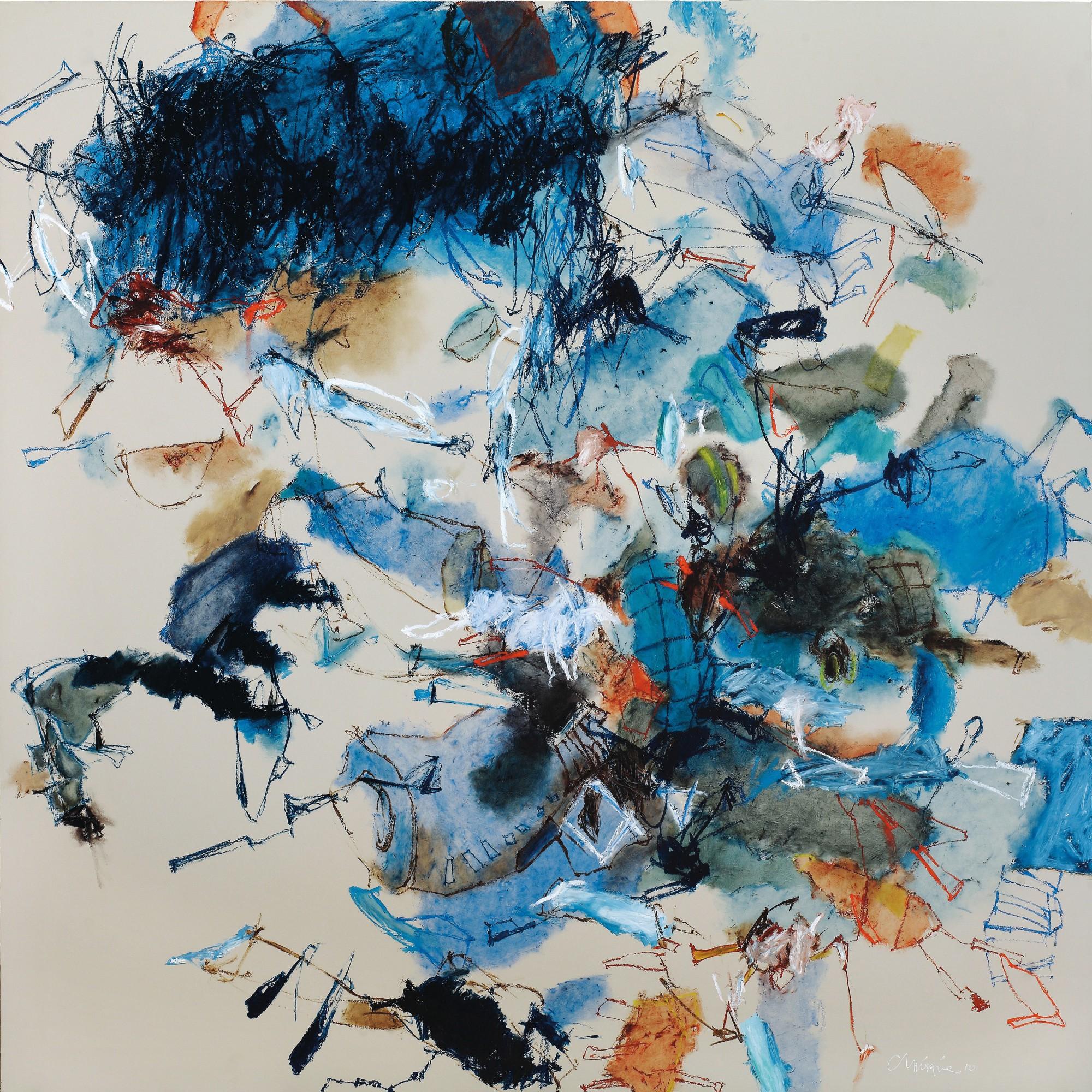 Christine Ay Tjoe. First Type of Stairs, 2010.
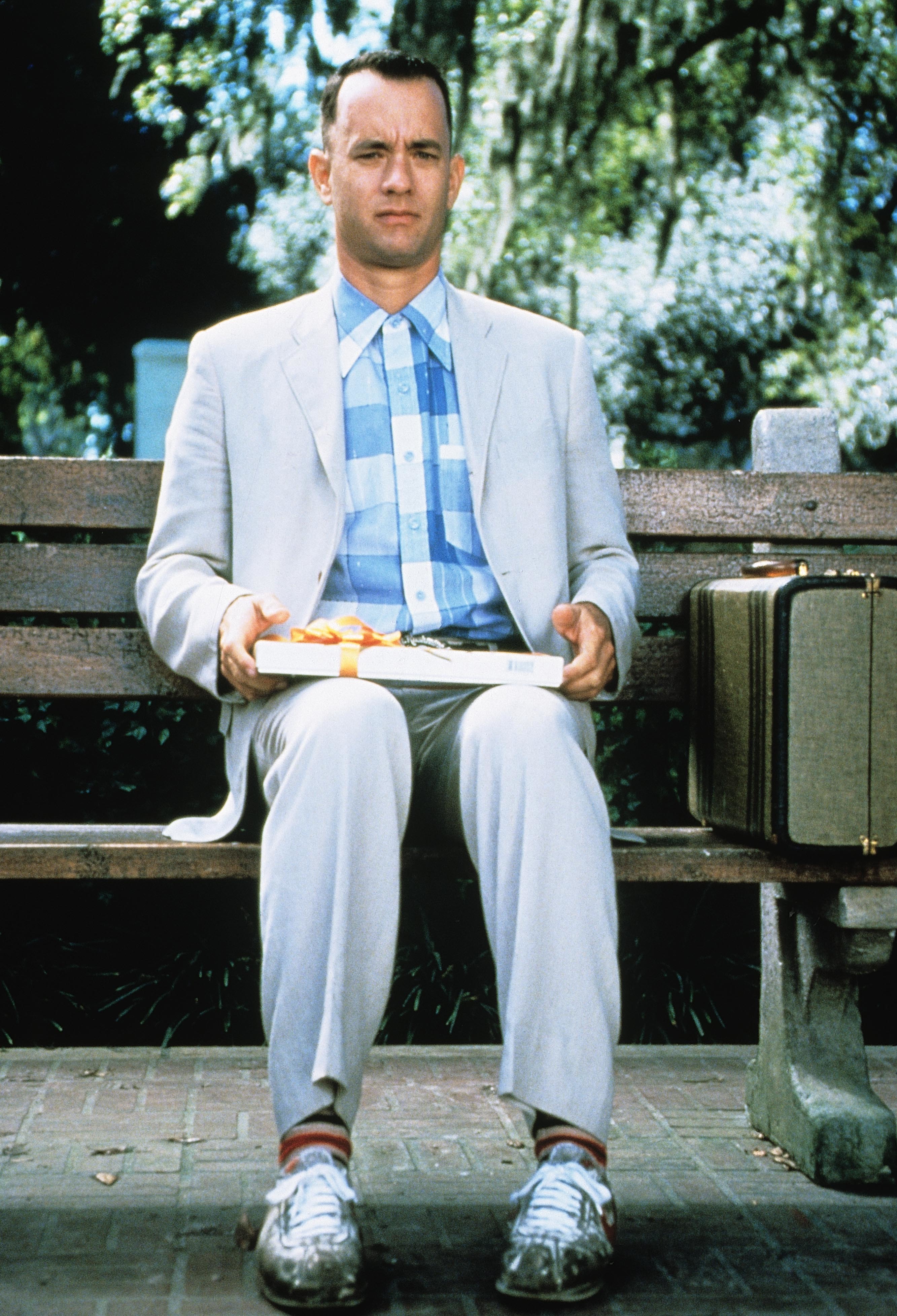 Two spaces after a period, not one. If a topic sentence leading to a paragraph can get a whole new line and an indentation, then other new sentences can get an extra space. Don’t smush sentences together like puppies in a cardboard box at a WalMart parking lot. Let them breathe. Show them some affection. Teach them to shit outside.
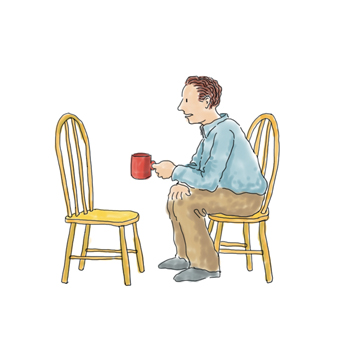 Over thirty years ago I was in an on-again-off-again relationship that I just couldn’t shake. After months of different types of therapies, I lucked into a therapist who walked me through a version of the Gestalt exercise of