by Steve Szilagyi
The Naked Gun trilogy was a series of three film comedies released between 1988 and 1994. They were directed by David Zucker, who founded a new school of parody with his breakthrough movie, Airplane! (1980). Part of Zucker’s genius was casting grim-visaged actors from serious films and letting them loose in a perfectly silly universe. Leslie Nielsen, Lloyd Bridges, Kareem Abdul-Jabbar—he made some brilliant casting choices. He also made one grotesque error: O.J. Simpson.
Long ago, I interviewed Simpson for a publicity job and came away thinking that he was the greatest guy in the world. When the Naked Gun films came out, I laughed my head off. Simpson was in all three of them. He wasn’t much of an actor, but I thought he was a great sport to let Zucker use him as a slapstick stooge—just what I would expect from a super guy like Simpson.
Then came the murders of Nicole Brown and Ronald Goldman. After learning the details of that crime, I could never watch a Naked Gun film again. How could I? How could anyone laugh freely at a film that has the face of an atrocious killer in every shot?
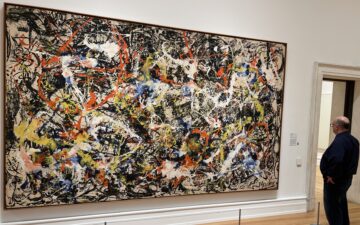
Confronting Convergence. Something like this happened to me on a recent visit to the Buffalo AKG Art Museum. Among the masterpieces in the museum’s collection is Jackson Pollock’s Convergence (1952), one of his classic drip paintings. My usual practice (and probably yours) when viewing a Pollock is to stand back for a few minutes to take it all in, then move in close and mentally merge with Pollock’s universe of speckles and swirls.
This is what I started to do with Convergence. But I couldn’t take that last step. Something was blocking me, and I knew exactly what it was: my recent reading of historian Henry Adams’ book Tom and Jack: The Intertwined Lives of Thomas Hart Benton and Jackson Pollock.
Adams’ book is a splendid dual biography, full of insights and revelations. What came back to me, however, as I stood in the Buffalo museum, was Adams’ account of August 11, 1956, the last day of Pollock’s life, and the painter’s role in the death of an innocent young woman. Read more »



 Lorraine O’Grady. Art Is … , Float in the African-American Day Parade, Harlem, September 1983.

 The world does not lend itself well to steady states. Rather, there is always a constant balancing act between opposing forces. We see this now play out forcefully in AI.
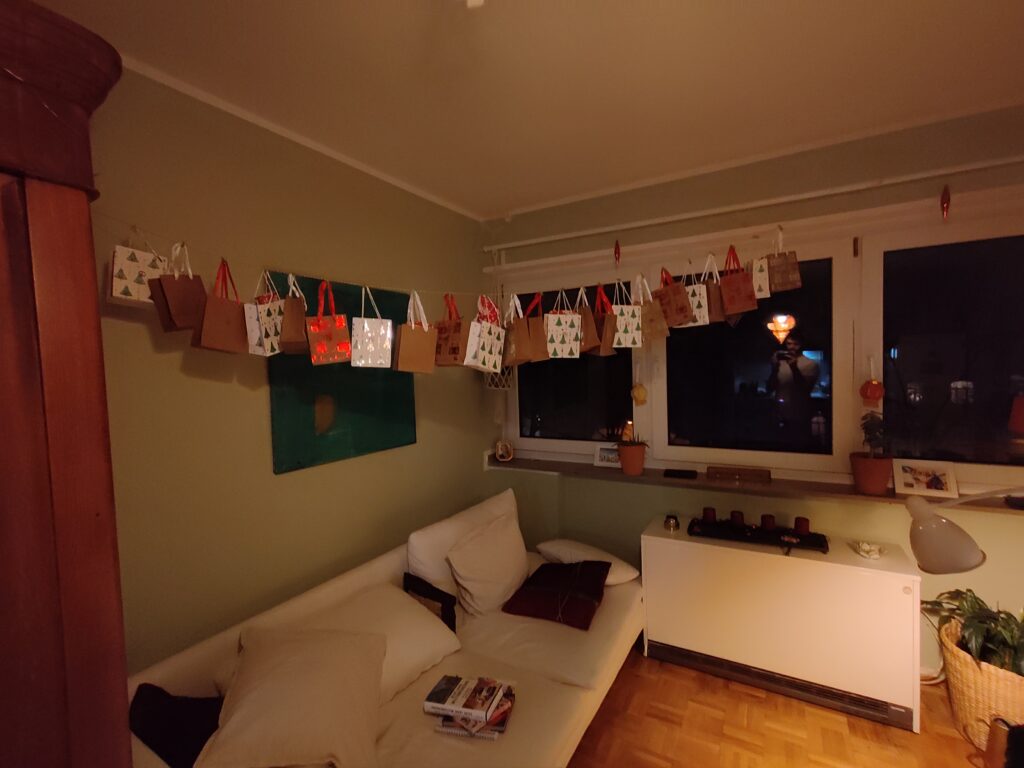
 The sleet falls so incessantly this Sunday that the sky turned a dull gray and we don’t want to go anywhere, my child, his friend and me. We didn’t go to the theater or to the Brazilian Roda de Feijoada and we didn’t even bake cookies at the neighbors’ place, but instead are playing cars on the floor and cooking soup and painting the table blue when the news arrives.



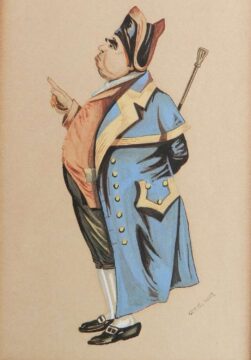 “You were present on the occasion of the destruction of these trinkets, and, indeed, are the more guilty of the two, in the eye of the law; for the law supposes that your wife acts under your direction.”
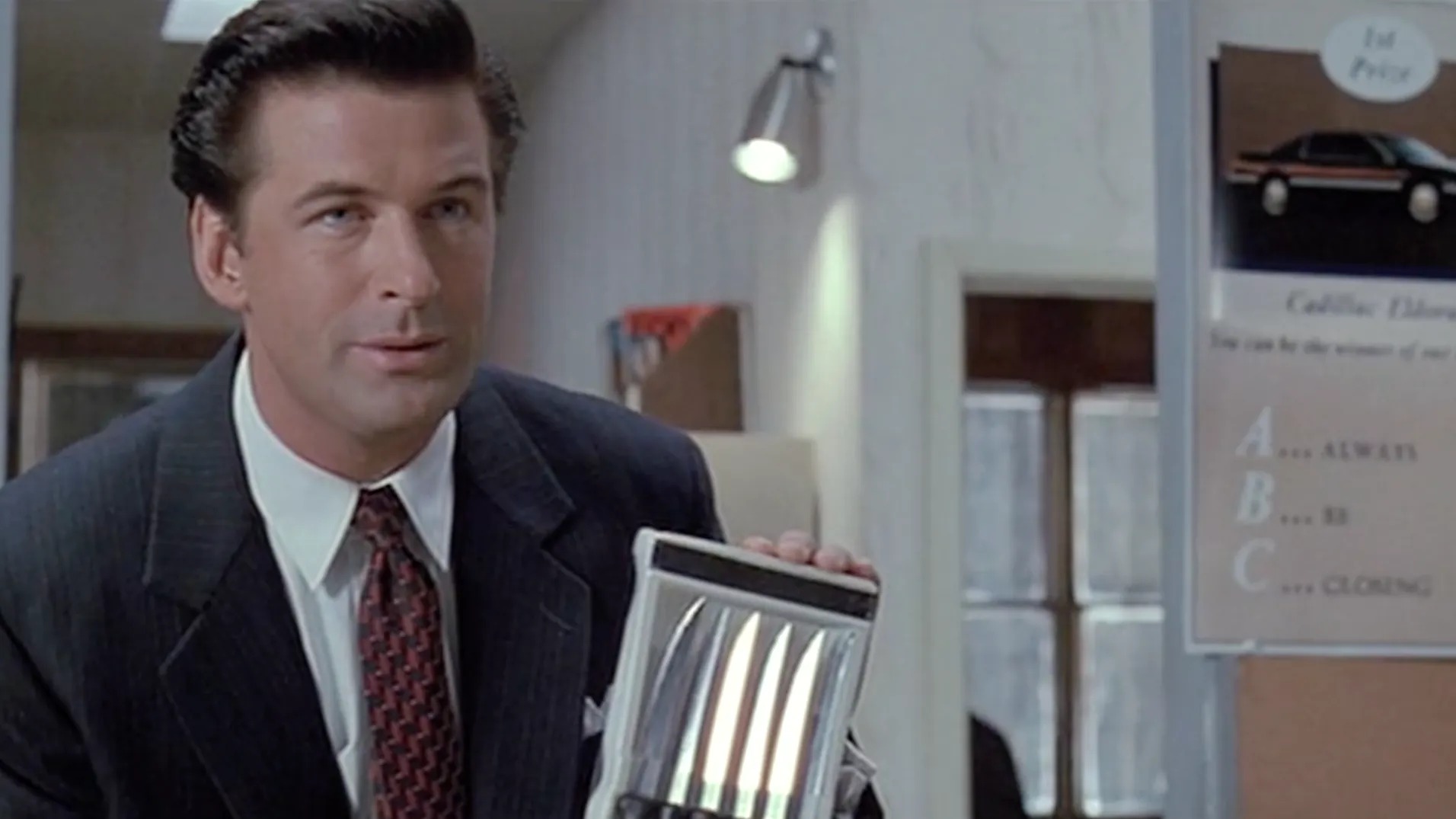 I was recently subjected to an hour of the “All In” Podcast while on a long car ride. This podcast is not the sort I normally listen to. I prefer sports podcasts—primarily European soccer—and that’s about the extent of my consumption. I like my podcasts to be background noise and idle chatter, something to listen to while I do the dishes or sweep the floor, just something to fill the void of silence. On the way to work this morning I had sports talk radio on—the pre-podcast way to fill silence—and they were discussing the physical differences between two football wide receivers—Calvin Johnson and DK Metcalfe—before switching to two running backs—Derrick Henry and Mark Ingram.
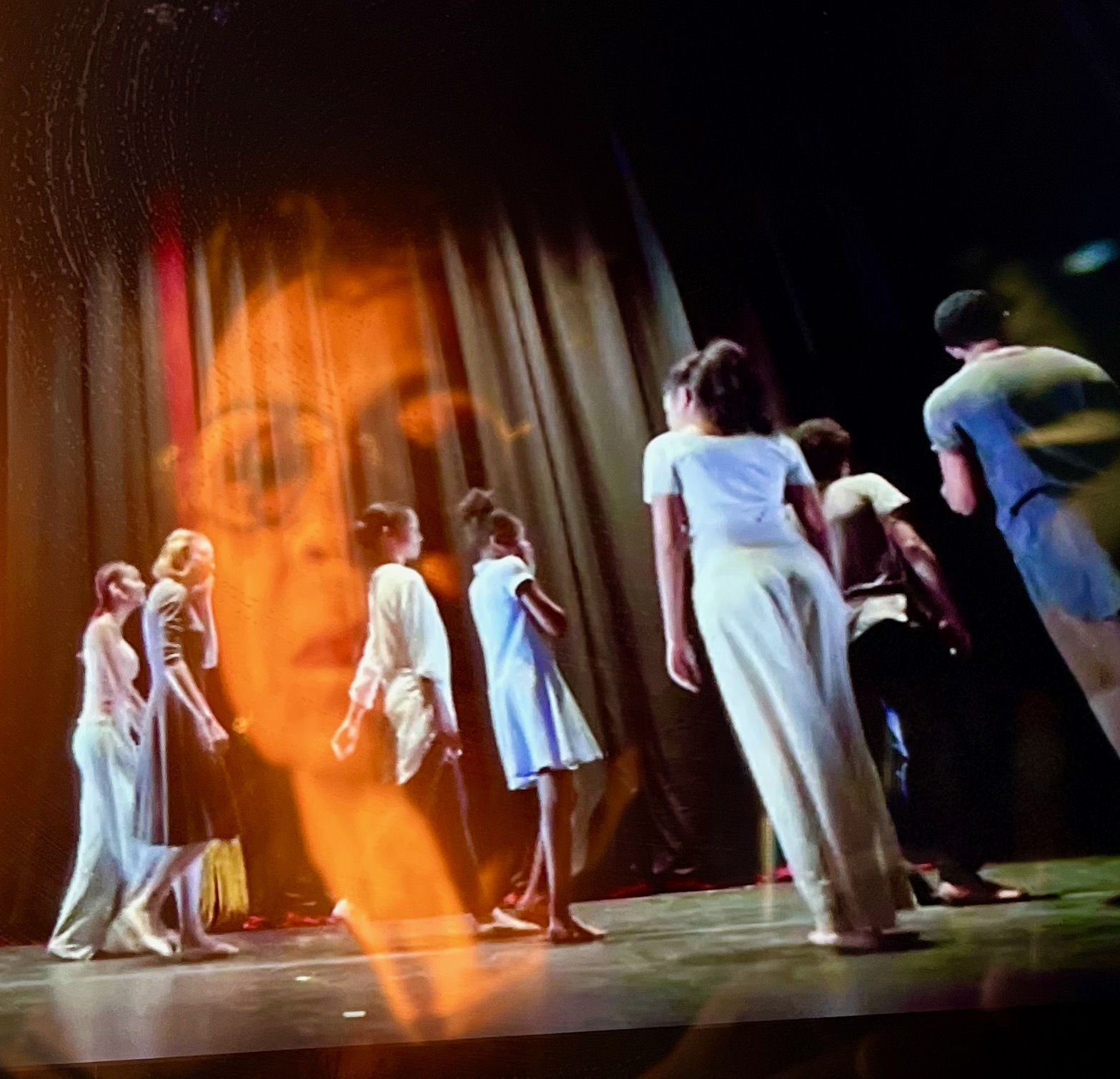 Sughra Raza. Being In the Airplane Movie. Dec 4, 2024.