by Carol A Westbrook

In our third year of medical school we began our clinical studies. After two full years of classroom work, it was time to apply what we learned to real patients. One can spend years in the library, reading all the books and journals that you can get your hands on, but there is no substitute for seeing a patient with disease. The stories I’m recounting here are all true, as I experienced at the University of Chicago Hospitals (then called Billings Hospital) while I was a medical student in 1977-78. I’ve changed the patients’ names, and I’ve made up some details I couldn’t recollect.
Billings hospital had a locked psychiatry ward, and it admitted patients for brief interventional stays, with a Medicare limit of two weeks. If a longer stay were required, the patient would have to be transferred to a chronic care facility. Patients could be either voluntary admissions or legally committed.
Psychiatry rotation for a third-year med student was 1 month long, of which 2 weeks were spent on the inpatient service. That was just long enough for the student to admit a patient and follow them through discharge; we each had our own individual patient. We had a four-member team (3 students and one resident) The resident took call every third night, which means they stayed overnight and answered the pager for problems on the ward or in the emergency room. We students were expected to come along. We did not carry our own pagers, but we took orders from our resident, who did carry a pager. Although call requires an overnight stay—with little sleep—it can be one of the most valuable experiences of med school, because that’s when you get to see the extreme cases, the ones you’ll never forget. Read more »

 It’s raining in Russia. Thunderheads boil up in the afternoon heat over there, behind the limestone block fortress on the other side of the river. Which is not a wide river. You can shout across it.
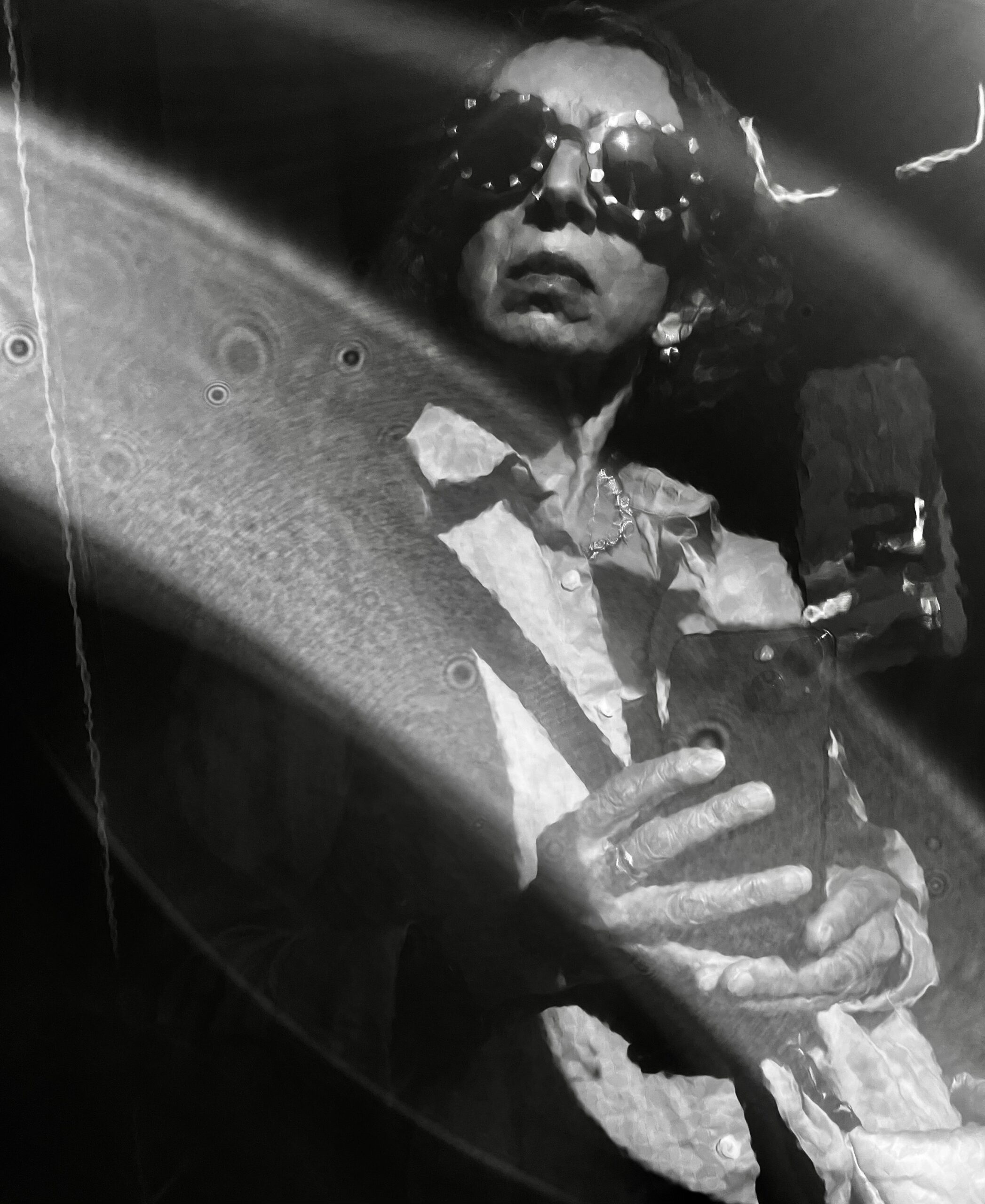 Sughra Raza. On the Train to Franzensfeste. September, 2024.
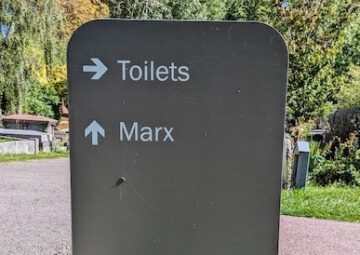 Even if you are sympathetic to Marx — even if, at any rate, you see him not as an ogre but as an original thinker worth taking seriously — you might be forgiven for feeling that the sign at the East entrance to Highgate Cemetery reflects an excessively narrow view of the political options facing us.