by Daniel Shotkin
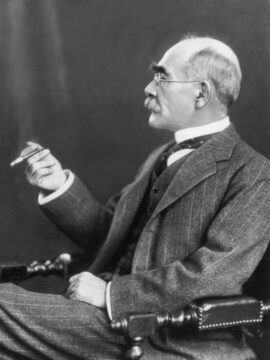
I was in 9th grade when I first heard the name Rudyard Kipling mentioned in school. My history teacher had decided to inaugurate a unit on imperialism, and Kipling’s zealous verses soon rang loudly through the classroom:
Take up the White Man’s burden—
Send forth the best ye breed—
Go bind your sons to exile
To serve your captives’ need;
To wait in heavy harness
On fluttered folk and wild—
Your new-caught, sullen peoples,
Half devil and half child.
My teacher explained that Kipling exemplified the racist and jingoistic attitudes of late-19th-century European colonial powers. I was surprised because, to me, Kipling represented something else entirely.
I didn’t disagree with my teacher’s assessment—certainly, no one could after hearing a poem called “The White Man’s Burden.” But my confusion wasn’t unwarranted; it stemmed largely from the fact that the Kipling recited by my teacher and the Kipling I had known prior to that fateful history class seemed to be two radically different authors. Read more »



 It’s raining in Russia. Thunderheads boil up in the afternoon heat over there, behind the limestone block fortress on the other side of the river. Which is not a wide river. You can shout across it.
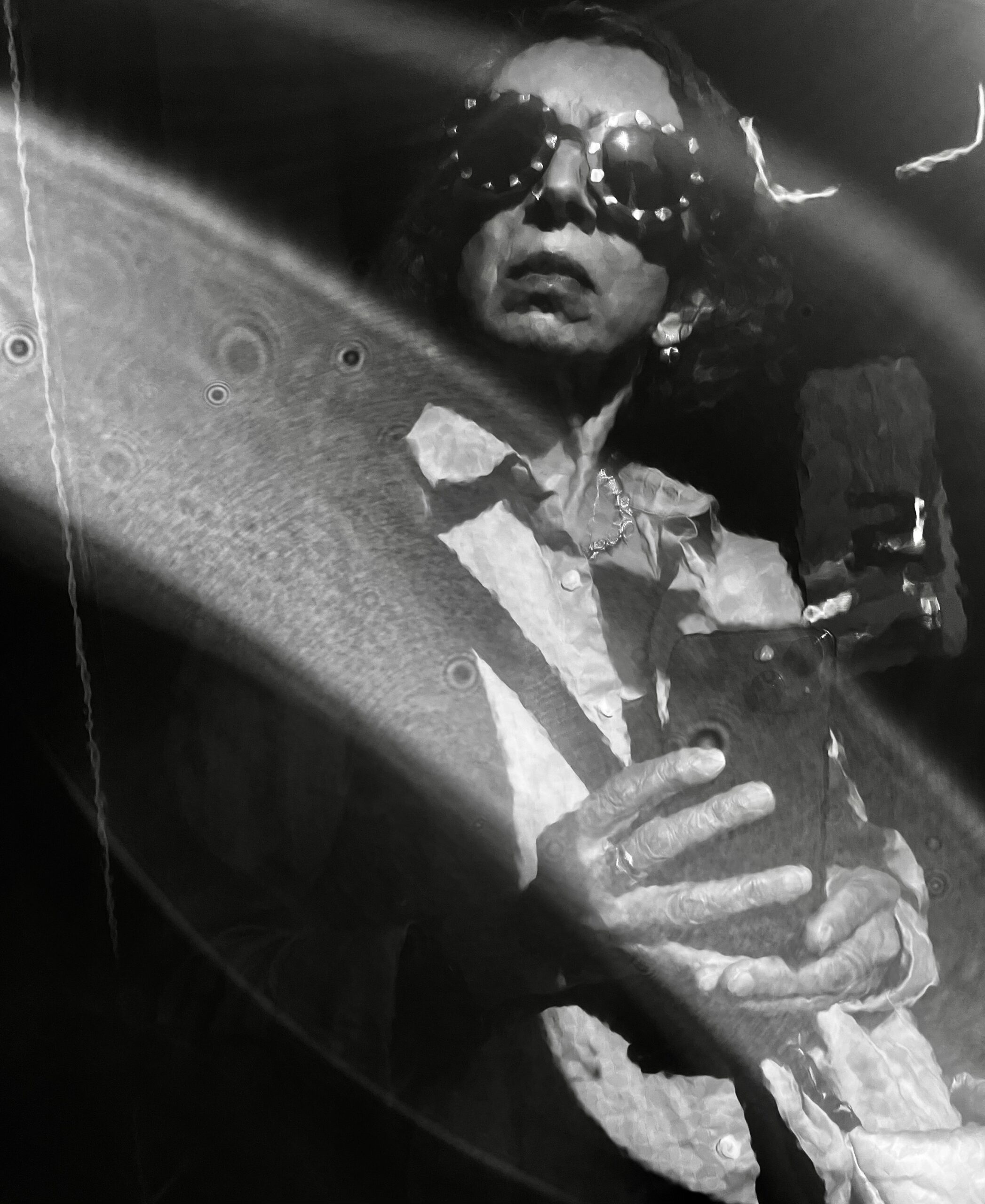 Sughra Raza. On the Train to Franzensfeste. September, 2024.
 Even if you are sympathetic to Marx — even if, at any rate, you see him not as an ogre but as an original thinker worth taking seriously — you might be forgiven for feeling that the sign at the East entrance to Highgate Cemetery reflects an excessively narrow view of the political options facing us.