by Michael Liss
It is more proper that law should govern than any one of the citizens. —Aristotle, Politics
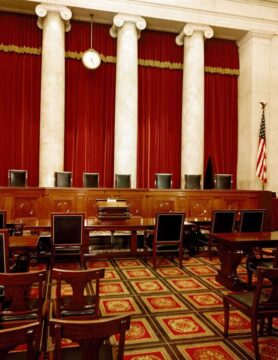
Aristotle was an optimist. Try to visualize an old Greek guy in a himation as a talking head on one of the Sunday shows. He’s never getting an invite to the White House—and it’s not just because of the clothes. Limits on an American President? This American President?
It is grim out there if you are a Democrat. The House, gone; Senate, gone; White House, so far away the distance is measured in light years. SCOTUS, nauseatingly gone. Day after day, Trump, with the cunning of an outlaw biker President, uses his power to taunt, punish and utterly dominate anyone who had or has the temerity to oppose him. Based on the number of prominent people and institutions that have knelt before him, he’s darn good at it. He’s also darn good at speaking to his supporters, and particularly skilled at keeping his fellow Republicans in line. Trump speaks fluent Trump, and Republicans, increasingly, are learning repeatable, debate-ready whole paragraphs of Trumpiness to be used in almost any circumstance. It’s a “Newspeak” modernized from 1984, and it works. People understand it. They react to it viscerally.
How about Democrats? With some notable exceptions, they mostly speak Esperanto. Excellent at cocktail parties with your photos of the Prado (“The Goyas were amazing!”), but not all that useful for everyday conversation.
Full stop. I am not going on an extended “TDS” rant, or its post-November 2024 variant of perpetual Democratic self-flagellation. Newspeak is also a definite no. Let’s talk about power in our system, the extent and implications of it, how it’s expressed and constrained, and the political application of it. In short, let’s channel our inner Aristotle and survey the role of the Rule of Law in contemporary politics.
Perhaps it is best to state the obvious at the beginning: What role? The Rule of Law is a losing argument in recent elections—and it is a losing argument to make to politicians. Maybe that will change, maybe it’s a temporary phenomenon of the Trump Era, maybe it just lacks a compelling spokesperson, but many voters don’t care—and in fact, some cheer its failure.
What is it they are rejecting? What is the Rule of Law? Read more »


 If there is one commonly held “truth” that governs conventional wisdom about wine tasting, it is that wine tasting is thoroughly subjective. We all have different preferences, unique wine tasting histories, and different sensory thresholds for detecting aromatic compounds. One person’s scintillating Burgundian Pinot Noir is another person’s thin, weedy plonk. But this “truth” is at best an oversimplification; like a very good Pinot Noir, matters are more complex.

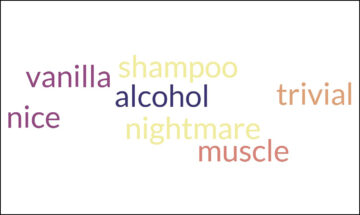 What do an intoxicating drink and an ancient beauty ritual have in common? How did a word once linked to Roman roads become synonymous with insignificance? And what strange connection exists between human strength and a tiny, scurrying creature?
 As a lawyer I know too well that lawyers are infamous for looking for the dark lining in a silver cloud. That outlook goes with the territory of trying to look for legal pitfalls and hidden trap doors. That’s part of the job of what lawyers do—trying to protect their clients from legal liability and unexpected detours and disasters that could have been avoided by careful drafting or strategizing. That doesn’t mean lawyers are pessimists but sometimes it is taken that way.

 One day I went to
  I gazed at the pages,


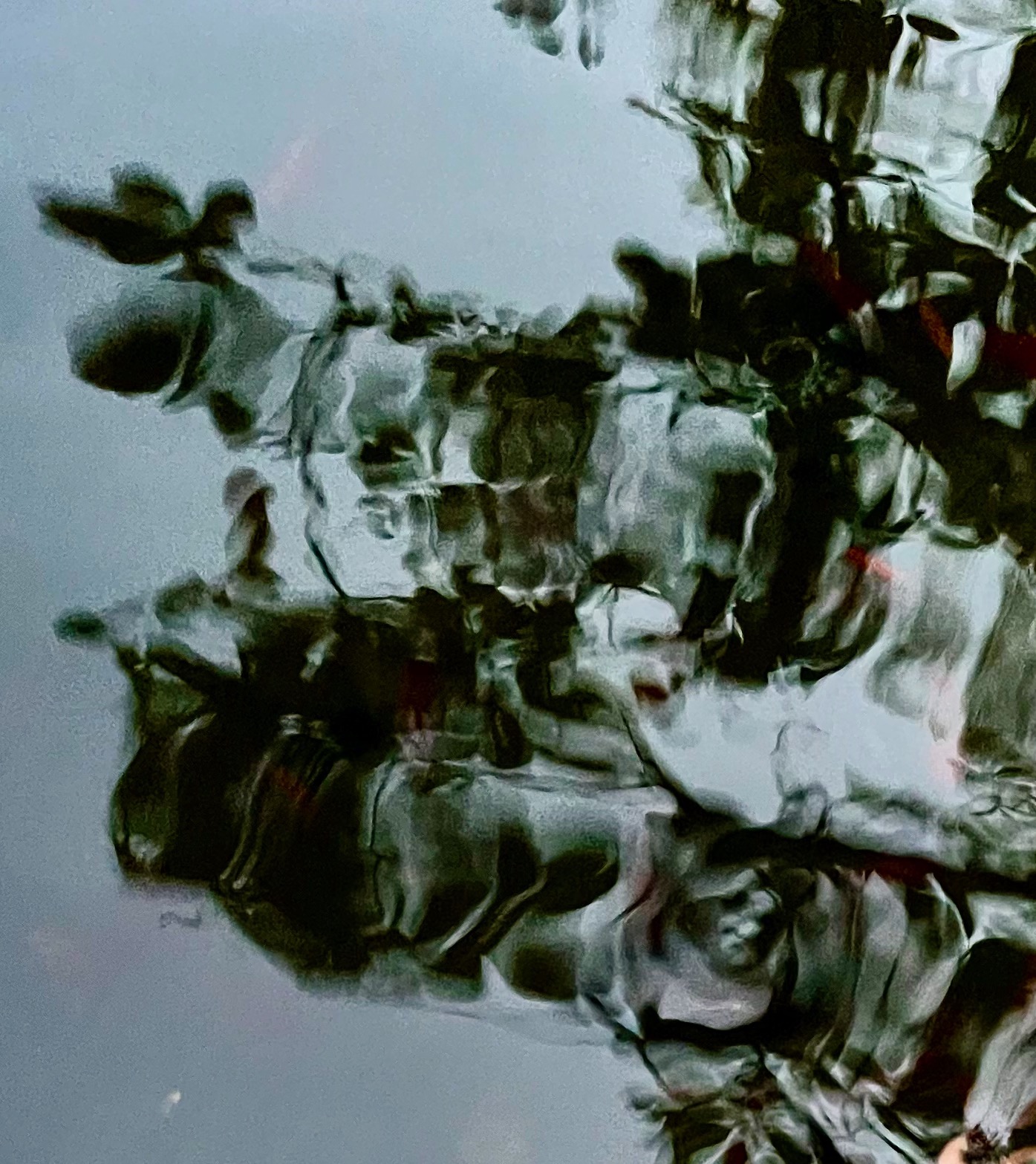 Sughra Raza. Reflection. Merida, Yucatan, March 14, 2025.