
by Jeroen Bouterse
 I know teachers who imagine the tune is what they have on repeat in hell, but I myself am strongly pro-Kahoot. If (like me) you were born too early to have your own school experience center around a large screen, and (unlike me) you have one of those boring non-teaching jobs, a brief explanation is in order. Kahoot is an app that lets you ask multiple-choice questions on your class screen, and have students answer them on their own devices to earn points. With its bright colors and some other bells and whistles, it hits a sweet spot in the teenage brain that magically makes it care about getting mathematical terminology right. It’s the best thing.
Or perhaps the best thing is actually Blooket. A self-paced quiz app, where getting questions right can give you the edge in a larger game in which you are trying to catch fish or steal crypto from your classmates. To get a genuine sense of what playing a Blooket is like, you will have to wait until Generation Alpha starts producing its own great literature. My own grasp of the different game modes is primarily inductive, based on the yelps and cries of my students rather than on first-person experience. I agree with my colleagues that ‘Café’ works well, but only if you can give enough time. Else, students complain their investments don’t pay off; they get to upgrade different breakfast ingredients to higher levels, you see, in order to make more money.
These apps embrace an important fact about school life, namely that students and teachers don’t want the same things at the same time. Though in the end we are all interested in demonstrating that learning has happened, some teenagers apply a steeper discount function to that outcome than I do. Gamifying ‘kahootable’ skills is one way of harmonizing our short-term aims. Read more »
 Sughra Raza. Crystals in Monochrome. Harlem, February, 2025.
 Last spring, American documentary film maker Ken Burns gave a commencement address at Brandeis University in Boston. Burns is a talented speaker, adept at spinning uplifting yarns, and

 In recent public debates it has been argued that the implementation of Artificial Intelligence in weapons systems is changing the nature of war, or the character of war, or both. In what follows, my intention is to clarify these two concepts of nature of war and character. It will show that AI is a powerful technology, but it is currently neither changing the character nor the nature of war.
 Orwell has surely been safe for ages – through just two famous books, neither of which is Keep the Aspidistra Flying. His essays seem alive too. Ideology plays a role here: he was saying things in Animal Farm and 1984 that influential people wanted disseminated. You couldn’t get through school in Britain without being made to read him. I persist in thinking him overrated. Will he fade without the Cold War? There’s no sign of it yet.

 When I think of New York City, the first image that rises to the surface isn’t its vaunted skyline, those defiant towers scraping at the heavens. It isn’t the classical grandeur of the Metropolitan Museum where civilizations whisper through marble and canvas, nor the razzle-dazzle of Broadway where melodies unfurl amidst a fever of lights and applause. No, of all the things I could remember, the image that lingers most is one of angst—dense, unrelenting and amorphous, like yellowing seepage on the walls of an old house, eating it from the inside out.
 Meanwhile, in New Delhi, the capital city of India to which I’ve just returned, I’ve been startled to find a different rhythm altogether – slower, steadier, and far from the edge of a precipice. Here, the streets hum with chaos, the air is thick with dust and petrol, and the disparities between wealth and poverty gape wide. And yet, amidst this, I see people who seem—dare I say it?—happier. Their circumstances, when measured against any global standard of “quality of life,” are objectively harsher than those of the stressed and striving New Yorkers I left behind. But their faces, their words, their mannerisms suggest something else entirely.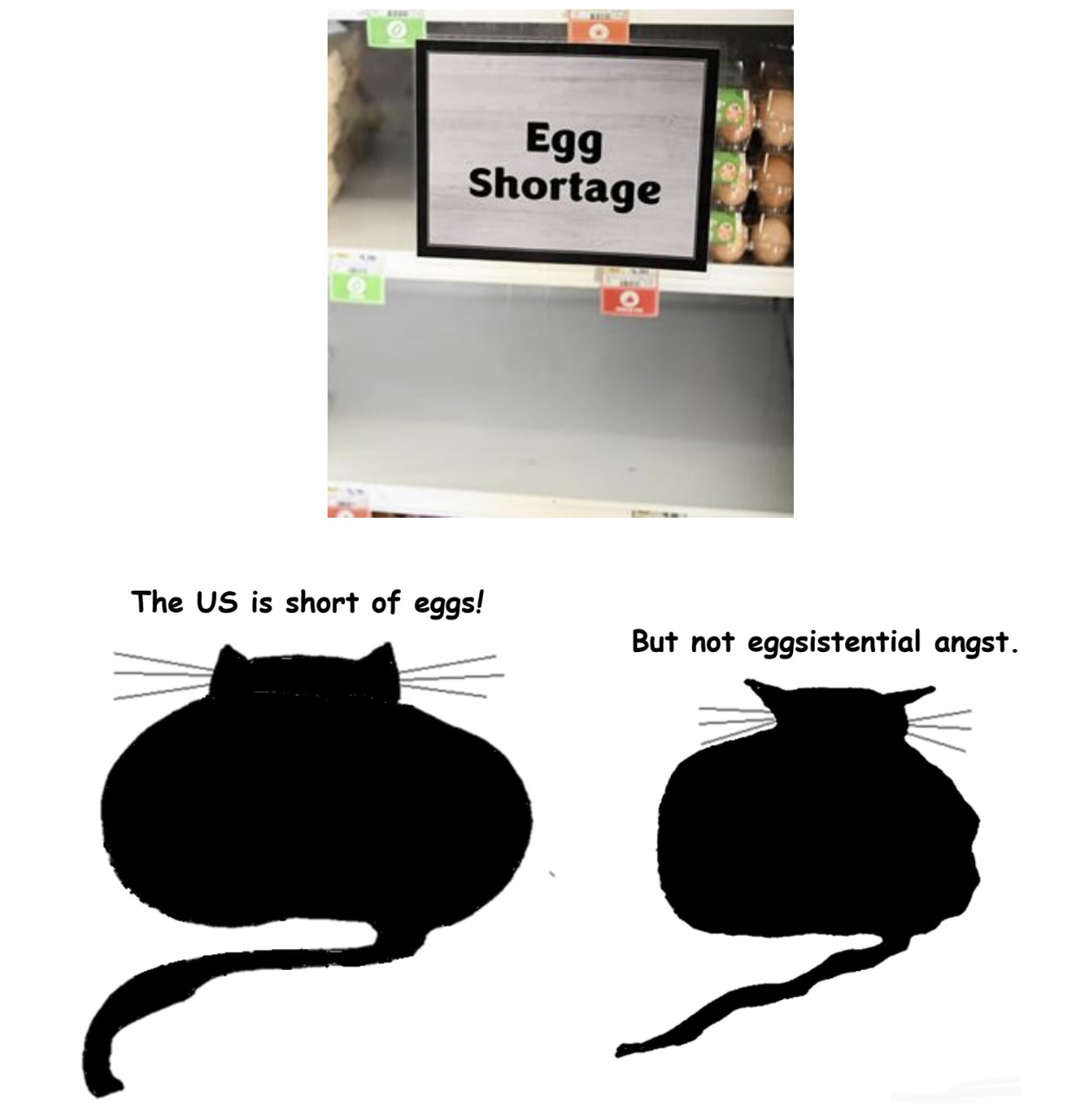


 Sughra Raza. Self Portrait At Home. December 2024.
 After many years as a practicing lawyer, I remain proud of what I do. Putting aside lawyer jokes, stale references to ambulance chasing and analogies with other professions that charge by the hour, I have enjoyed doing what lawyers do and I am unapologetic about it.