by Akim Reinhardt
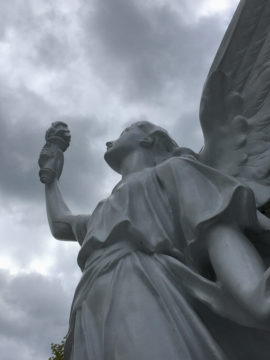
 Death was already about me. I’d recently written two death songs. Not mournful, but peaceful and welcoming. No reason. They just seeped out of me. Then came the Covid infection. It must’ve found me in upstate New York while vacationing with friends.
At first, I assumed it was just those damned seasonal allergies. As bad as they’ve ever been. But then it took a turn. When the thermometer read 100.2 F, I called it a night quite a bit earlier than usual. I wouldn’t open my eyes again for nearly a dozen hours. After finally crawling from the bed, I stumbled into the bathroom and reached for one of those free government test kits. Swab, spin, drip, wait. The incriminating line was a bold streak of bright red. I’m staring at it right now, having kept it as a memento.
By then the fever had broken, but the other symptoms were raging. Body aches. Serious fatigue. A dry cough. Each time my chest convulsed it triggered a momentary splitting headache. My nostrils felt raw, like they were or burning, even though I’d barely blown my nose. The overripe banana didn’t taste like much of anything. The dark chocolate was very intense. Aside from the brief fever, the worst of it lasted 48 hours. Then Jesus came to me. Read more »
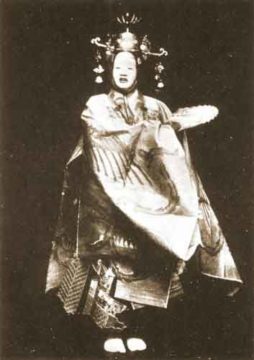
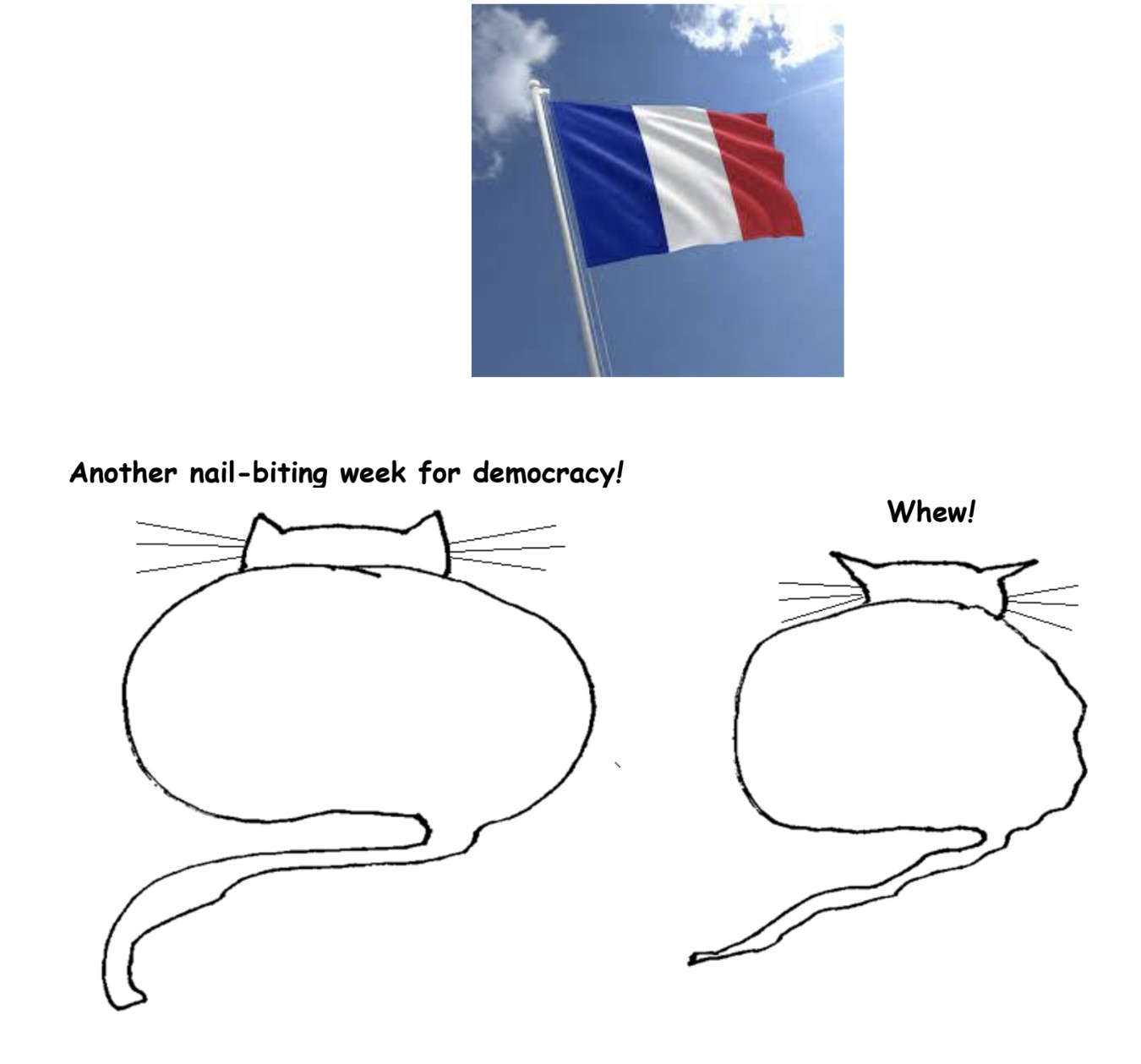
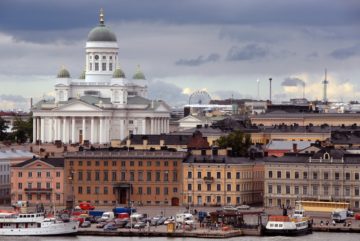


 Gérard Roland came to Berkeley only around the turn of this century. He grew up in Belgium, was a radical student, and after the student movements of Europe subsided, he supported himself for a time by operating trams in the city. When he was wooing his girlfriend (later wife), Heddy, she used to get a free ride in his trams. (A few years back when I visited them one summer in their villa in the Italian countryside near Lucca, Heddy told me in jest that those days she was content with a free tram ride, but now she needed a house in Tuscany to be placated). Gérard is also a good cook.
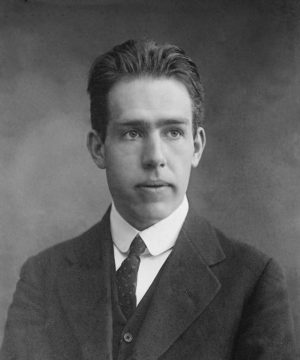
 Every hour of every day I hear the pulsating rush of le Periph and I am reminded that Paris is dead. My dorm is at the very bottom of Paris such that if the city were a ball I’d be the spot that hits the ground. I sit in my windowsill. I watch cars drive on the highway in an unending flow, like blood in veins, fish in streams, but they’re all metal idols of life. Life does not go this fast. Life stops to take a rest.
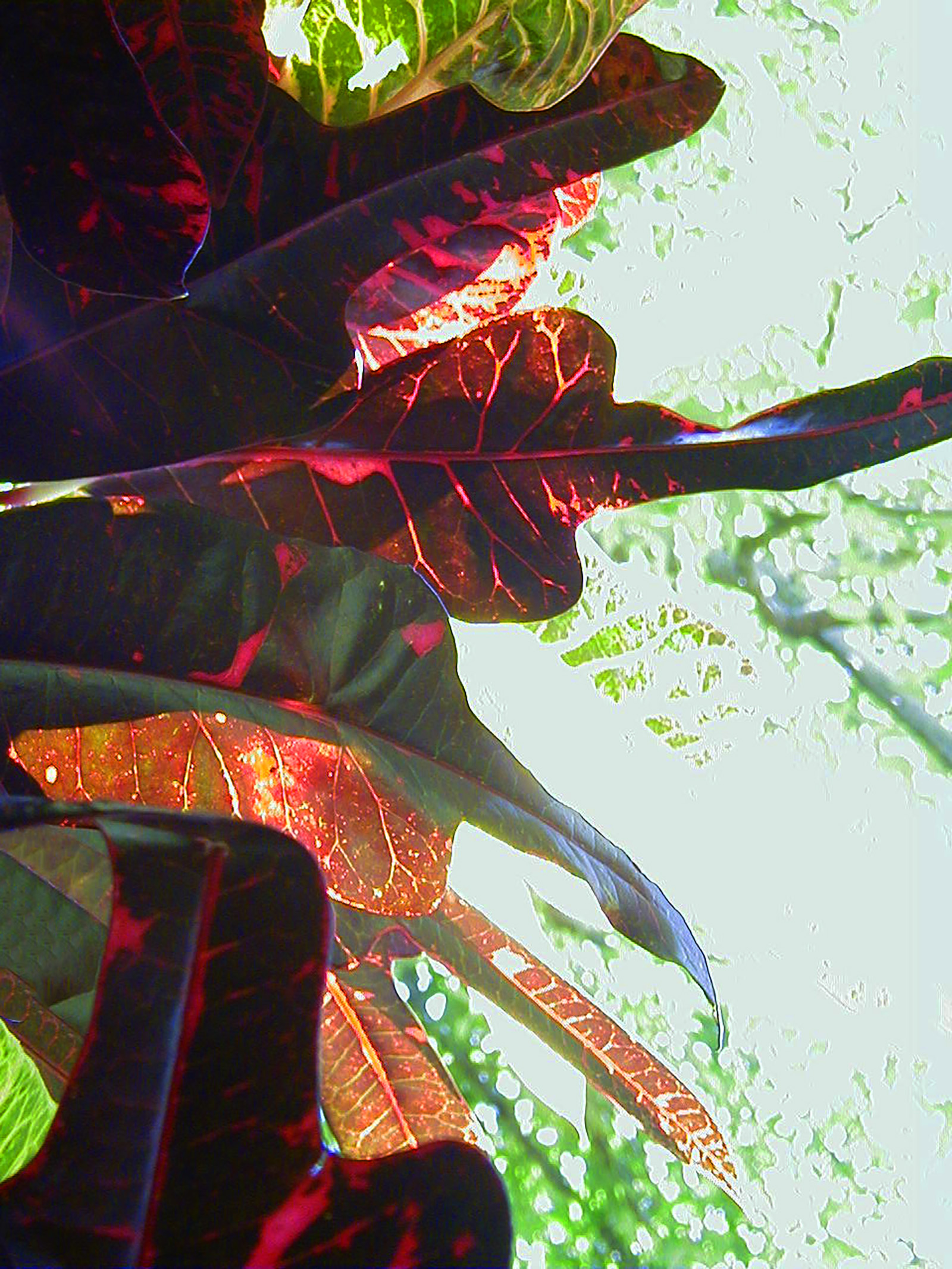 Sughra Raza. Color Burst, Costa Rica 2003.
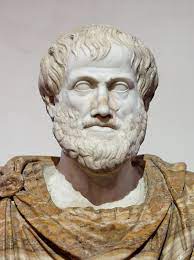 For many of the ancient philosophers that we still read today, philosophy was not only an intellectual pursuit but a way of life, a rigorous pursuit of wisdom that can guide us through the difficult decisions and battle for self-control that characterize a human life. That view of philosophy as a practical guide faded throughout much of modern history as the idea of a “way of life” was deemed a matter of personal preference and philosophical ethics became a study of how we justify right action. But with the recognition that philosophy might speak to broader concerns than those that get a hearing in academia, this idea of philosophy as a way of life