
by Mark Harvey
Out of the blue, between the sea and the sky,
Landward blown on bright, untiring wings;
Out of the South I fly –Maurice Thompson
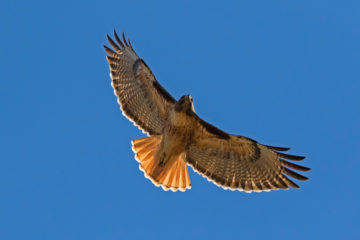
One of my sisters who is a wildlife biologist often leaves the cinema with an entirely different take on the virtues of any particular movie if it’s set on a natural landscape. Be it an epic love story on the plains of Montana or a character-driven film taking place in the Cascade mountains of the northwest, she and her biologist friends see things through a different lens than you or I. While we might be moved by a love story between a cabin dweller scrapping out an existence while courting a fetching lass from an adjoining homestead, they often leave the same film frustrated and grouchy about how badly and unscientifically the natural world is cast.
“Did you hear that bald eagle?” They’ll say. “That’s not the sound a bald eagle makes! They obviously dubbed the call of a red-tailed hawk over that bald eagle. Who’s going to miss that?”
Well, about 99% of the audience still dabbing their eyes from the happy ending when the homesteaders requite their epic love on the epic landscape.
One thing that seems to really drive my sister and her biologist friends mad is when the director gets the phenology wrong. Phenology, to remind you, is the natural cycle and timing of nature. For example, every spring there is a certain pattern and time frame of flowers blooming, birds returning to the north, insects hatching, and bears coming out of hibernation. So when a film director has the male hero shyly offering flowers to his love interest in one scene and bodice busting in the next, my sister and her crew will cast a clinical eye on the Indian ricegrass and its development between scenes. Read more »

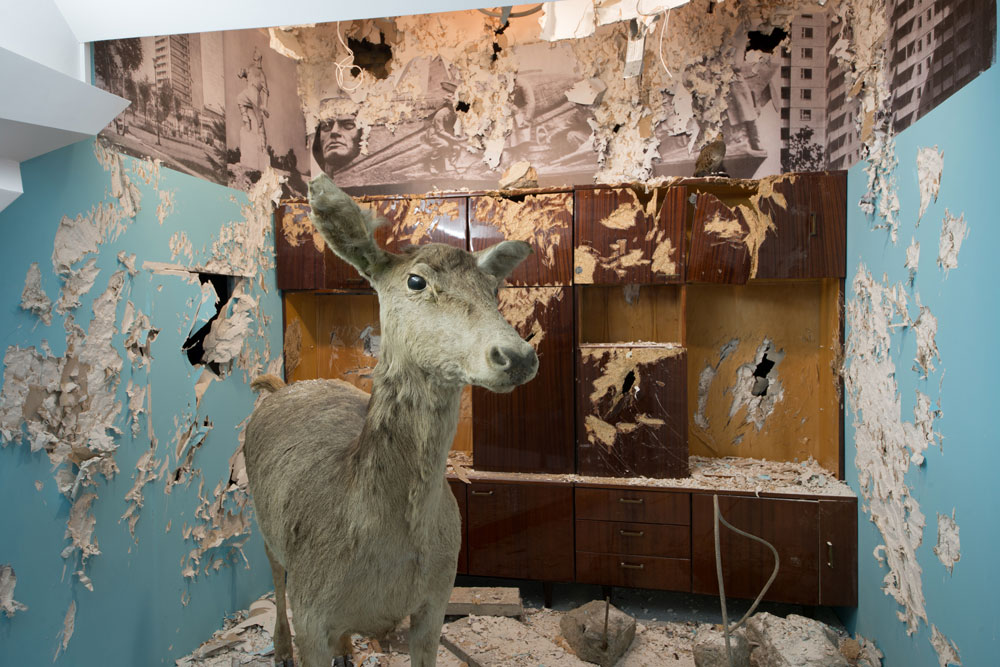 Nikita Kadan. Hold The Thought, Where The Story Was Interrupted, 2014.
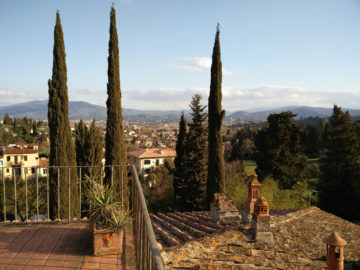
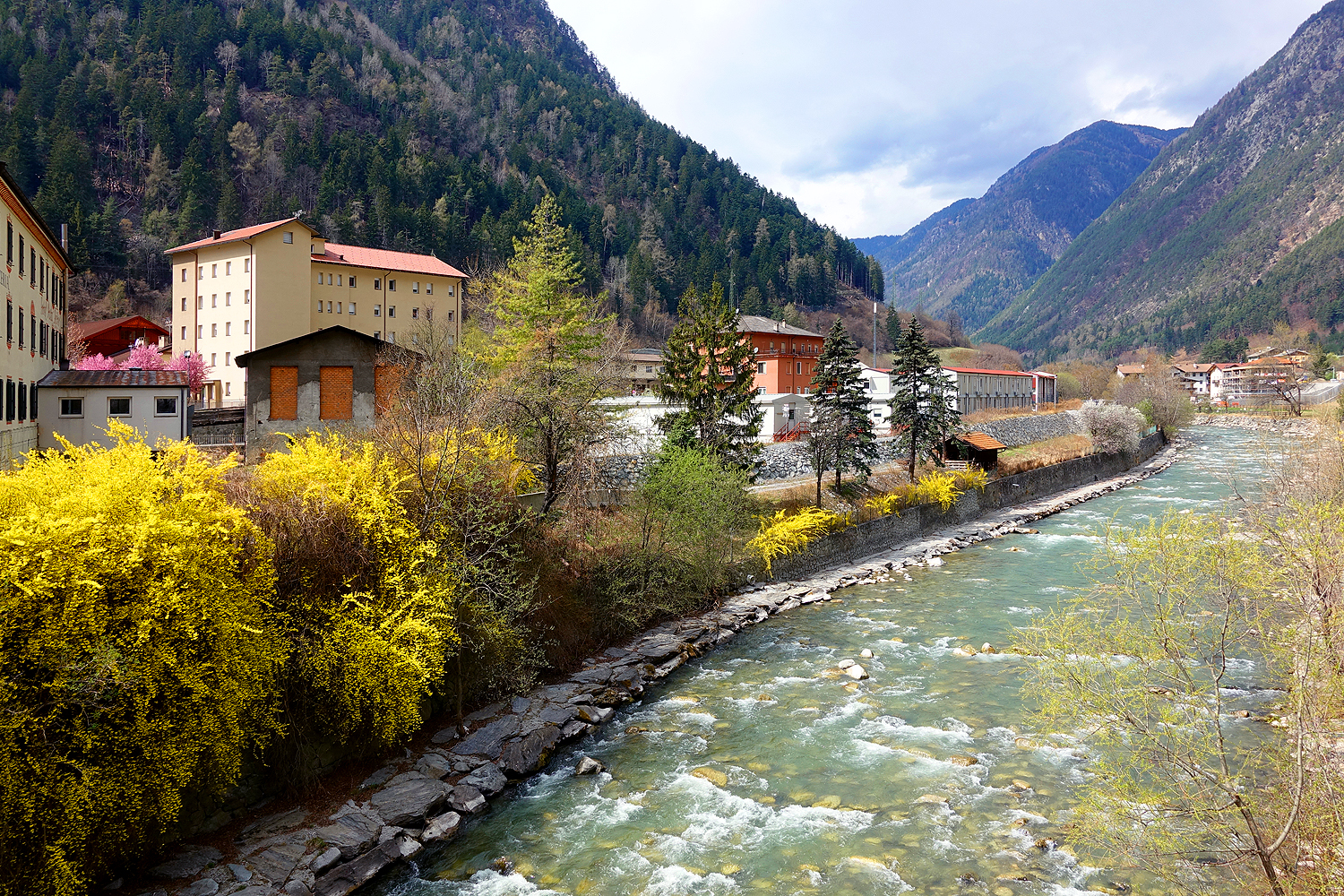

 In the Berkeley hills there is a campus bus but the nearest bus stop is about a one-mile walk from my home, if you take a short cut through a meadow, but it gets quite muddy in the rainy season. Still, after some years I opted for taking the campus bus rather than my car on weekdays. One regular passenger I used to meet in the bus was a distinguished nonagenarian, Charles Townes, who had won the 1964 Physics Nobel Prize for inventing the laser (later he was also involved in the team that discovered the black hole at the center of the Milky Way galaxy). In a campus lecture that I once gave on Globalization I was thrilled to see him at the front in the audience. He was active in the campus even in his 100th year, shortly before his death.
 Beliefs about the essential goodness or badness of human beings have been at the heart of much political theory.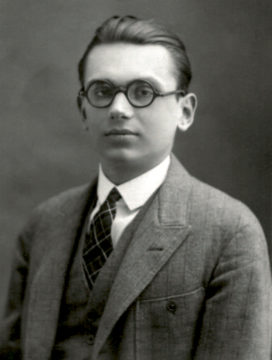
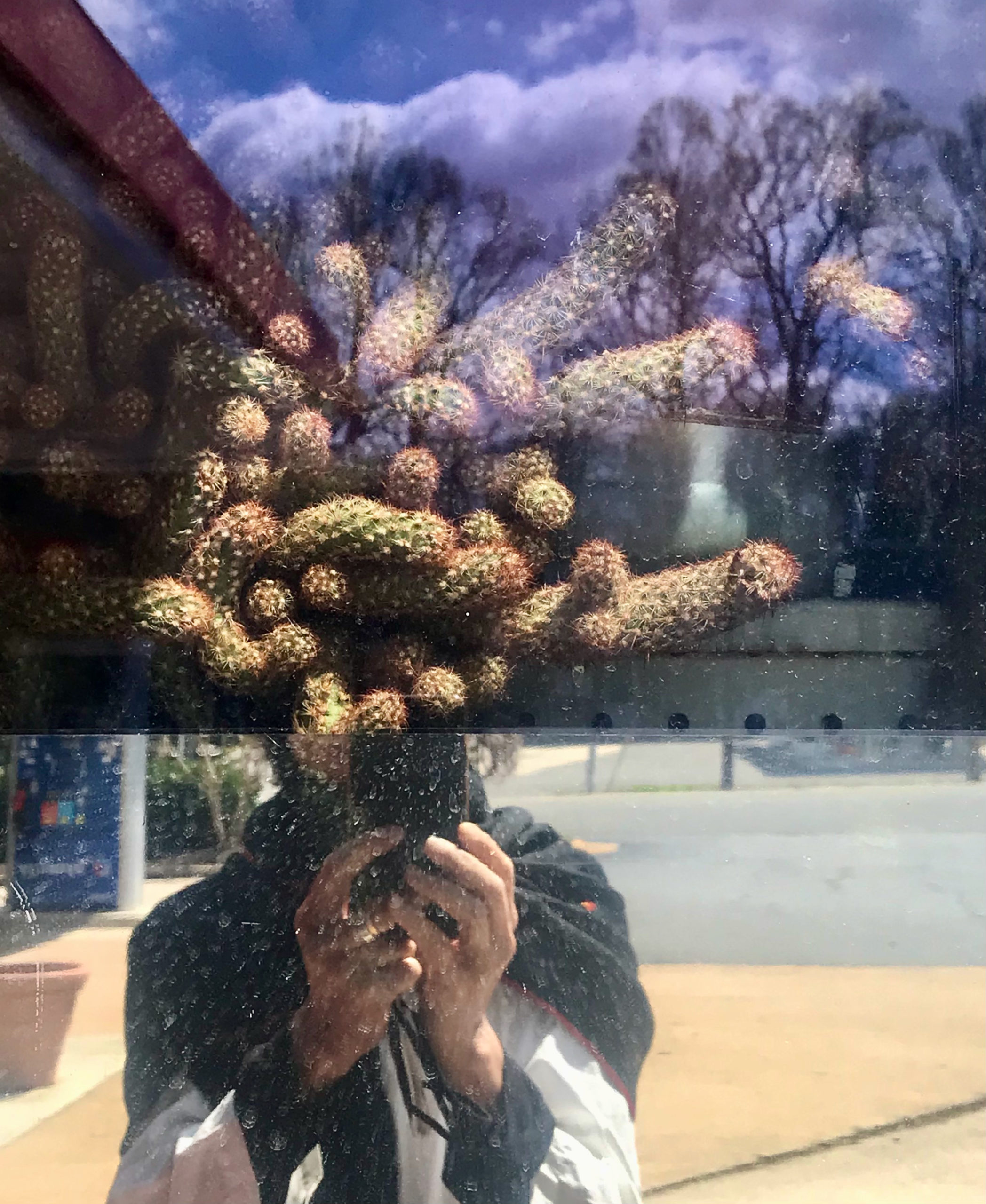 Sughra Raza. Self Portrait at Gas Station, April 3, 2022.
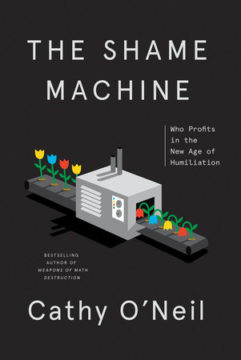
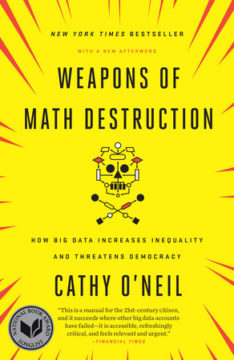 And then I started trying to warn people about the dangers of algorithms when we trust them blindly. I wrote a book called Weapons of Math Destruction, and in doing so I interviewed a series of teachers and principals who were being tested by this new-fangled algorithm called the value-added model for teachers. And it was high stakes. They were being denied tenure or even fired based on low scores, but nobody could explain their scores. Or shall I say, when I asked them, “Did you ask for an explanation of the score you got?” They often said, “Well, I asked, but they told me it was math and I wouldn’t understand it.”
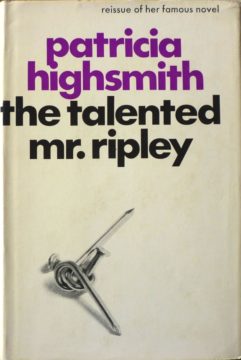 The character of the American abroad is an archetype in American fiction. By placing the American outside of his native country (usually in Europe), writers such as Henry James and James Baldwin were able to explore what constitutes American identity. More often than not, this identity is revealed in their novels not through what the identity contains, but in what it lacks.
 It is a strange enough thing to collect knives. It is a step stranger still to collect sharpening stones; a further abstraction from reality, an auxiliary activity supporting a hobby which is itself a pantomime of preparedness and practicality. No matter. Once one is lodged firmly enough down a rabbit hole, the only options available are to hope for rescue, or to keep crawling deeper. I have clearly chosen the latter.