by David Greer
And I shall have some peace there, for peace comes dropping slow,
Dropping from the veils of the morning to where the cricket sings;
There midnight’s all a glimmer, and noon a purple glow,
And evening full of the linnet’s wings.
—Excerpt from The Lake Isle of Innisfree, by William Butler Yeats
Our people lived as part of everything. We were so much a part of nature, we were just like the birds, the animals, the fish. We were like the mountains. Our people lived that way. We knew there was an intelligence, a strength, a power, far beyond ourselves…. Everybody had the right to comfort, to security, the right to food, a home, the use of the land. This is because we believed that everything was put here by a great and wonderful intelligence.
—Excerpt from Saltwater People, by Dave Elliott
Visitors to my cabin in a forest glade on a small island in the Salish Sea almost always remark upon the silence. It’s true, if you’re freshly arrived from an urban community, the silence at first seems absolute and a little overwhelming. It’s only when you quiet yourself that the silence surrounding you starts to come alive with the texture and colour of natural sounds.
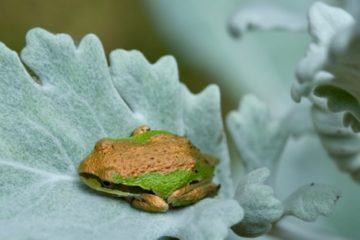
Some sounds may seem easily identifiable to visitors if only because their creators are visible. The slow thunk-thunk-thunk of a raven’s wings beating the air as it passes arrow-straight across the circle of blue sky over the glade. The chittering of a bald eagle high in a fir. The cat-like mew of a red-eyed spotted towhee rooting through underbrush. Other noises require more careful observation and familiarity but are instantly identifiable to those who know them. The faint scrape of the jaws of a yellowjacket backing down a cedar post, a grey ball of nest paper slowly enlarging beneath its mandibles. The lazy kre-e-e-eck? deep in a cedar, like a creaking rusty door in a haunted house: the territorial call of a male Pacific tree frog, gold and green and shadow-secluded. The urgent whistling of a juvenile barred owl, harassing its parent for freshly killed flesh. And in the gloaming, not the soft sound of the linnet’s wings, but those of its close cousin the house finch in this part of the world six thousand miles from Yeats country. Read more »

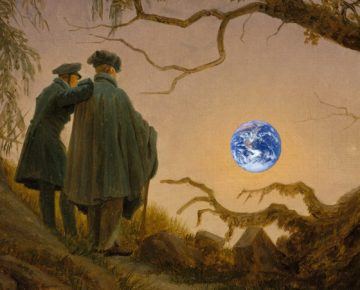 The first full moon I saw after the procedure looked as if it might burst, like a balloon with too much helium. It was just above the horizon, fat and dark yellow —moving slowly upward to the firmament where it would later appear smaller and take on a whiter shade of pale. I could distinguish its tranquil seas, the old familiar terrain coinciding with a long abandoned memory.
 Even before the bandage came off, the implant’s ID card seemed to confirm it: I am a camera—with a new Zeiss lens made in Jena. Jena is back in my life.

 In the middle 1990’s along with journal-editing I did another job in Berkeley which was even more arduous, but also in some ways quite exciting and instructive. I was invited by the campus academic senate to serve for 3 years in a high-powered committee that decided on all appointments, promotions, salaries and merit payment increases for all Berkeley faculty (then roughly about 2,000 in size). This committee is called the Budget Committee in Berkeley; technically it advises the Chancellor, but the latter took our advice in 99% of cases—in the less than 1% cases when the Chancellor did not follow our advice, the rule was that the Chancellor was obliged to meet us in a special session of the committee and explain why he/she would not follow our advice (most often this involved some legal issues) and we had a chance to rebut their arguments.
 In his book
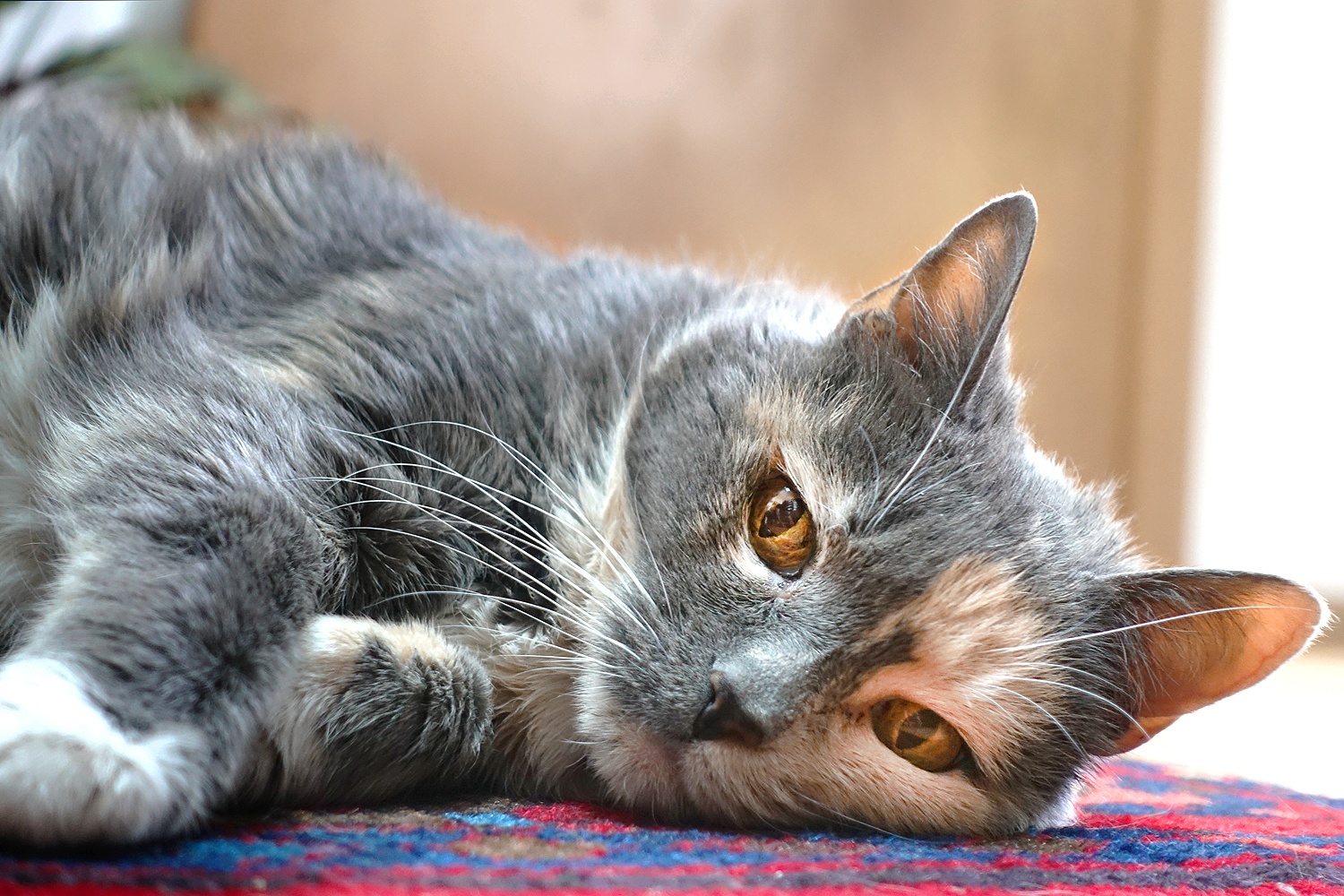
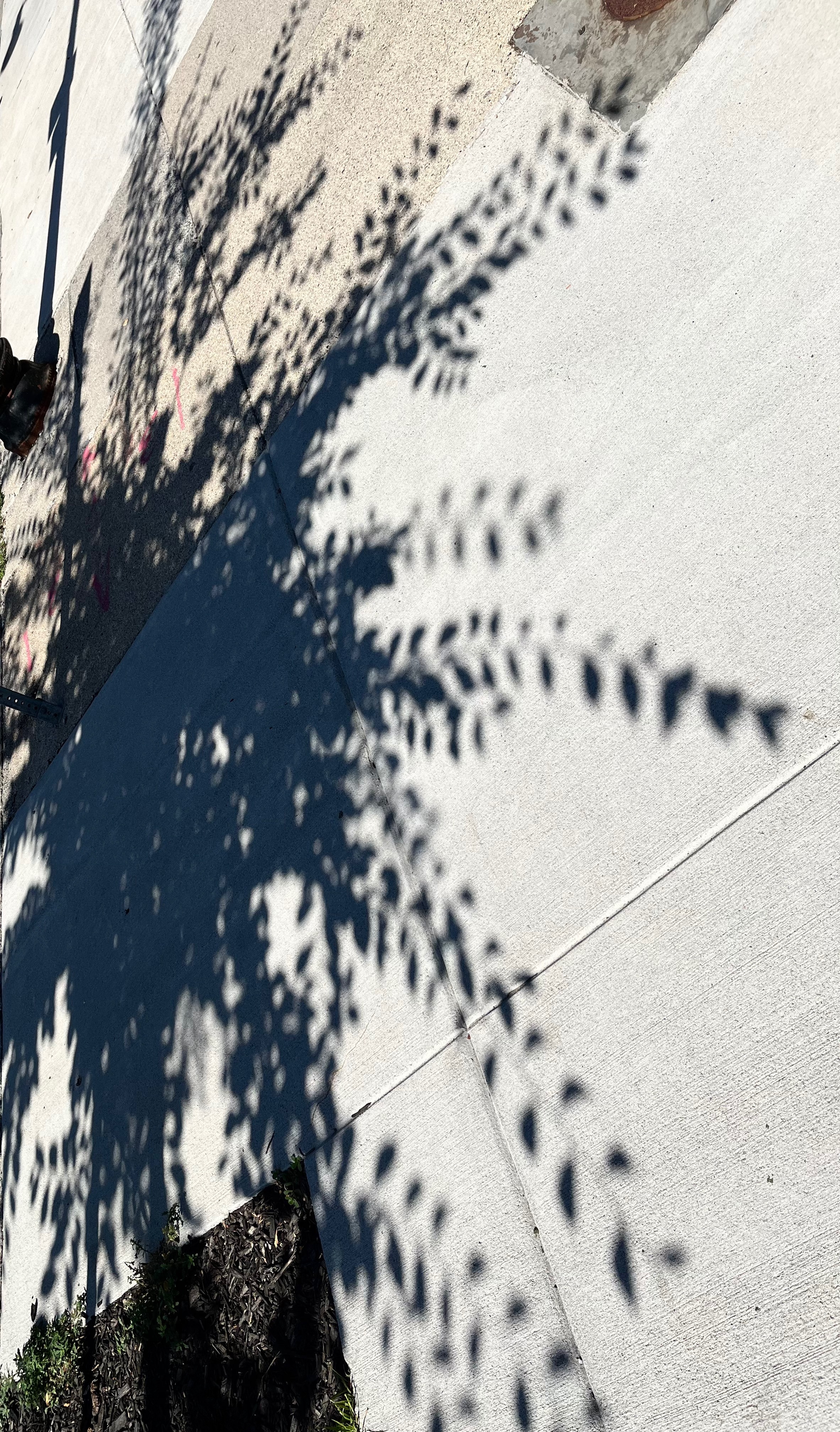 Sughra Raza. This Moment … late June 2022.
 I know