by Mark Harvey
Walking across a piece of my land the other day, I noticed that various grasses had become entirely brown from lack of water. Bromes and Poaceae, normally still green this time of year, looked brittle and were the color of tea. Cheat grass, that invasive species from Eurasia, looked even yellower and drier than it normally does. I picked some of the cheat grass, also known as downy brome, and it practically crumbled in my hands. This has been the driest year I can remember in my part of western Colorado. I don’t just mean statistics based on snowpack and rainfall, because that is only part of the story. Other factors include evaporation rates, timing of the snowmelt and residual lack of moisture in the soil from last year. The first clue that this is an exceptionally dry year came when a spring-fed lake on our ranch never filled with water. Normally by the time the snow melts off, the lake fills to the brim and holds water through the entire summer. This year, even in June it was empty.
Another spring-fed pond that normally stays full all summer is already half empty.
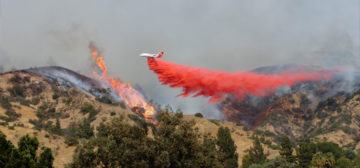
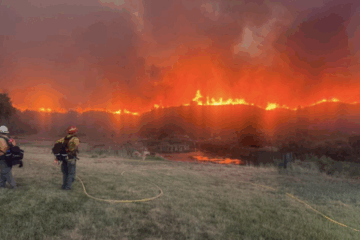
The land has a feeling of wanting to ignite and explode with the slightest spark. It’s the cheat grass that scares me the most for it’s incredibly flammable and covers tens of millions of acres in the intermountain west. Cheat grass has a biological advantage over other native grasses because it germinates earlier than most others, which gives it a head start in the competition for water and soil nutrients. It also dries out sooner than other grasses as the summer wears on and serves as what’s called a “ladder fuel” when it comes to wildfires. The term ladder refers to a ground plant’s ability to help fires climb up onto trees.
According to Glenn Lewis, a fire behavior analyst, the moisture content in western Colorado’s plant communities is at near historic lows—in the 97% percentile since records have been kept. Read more »