
by Derek Neal
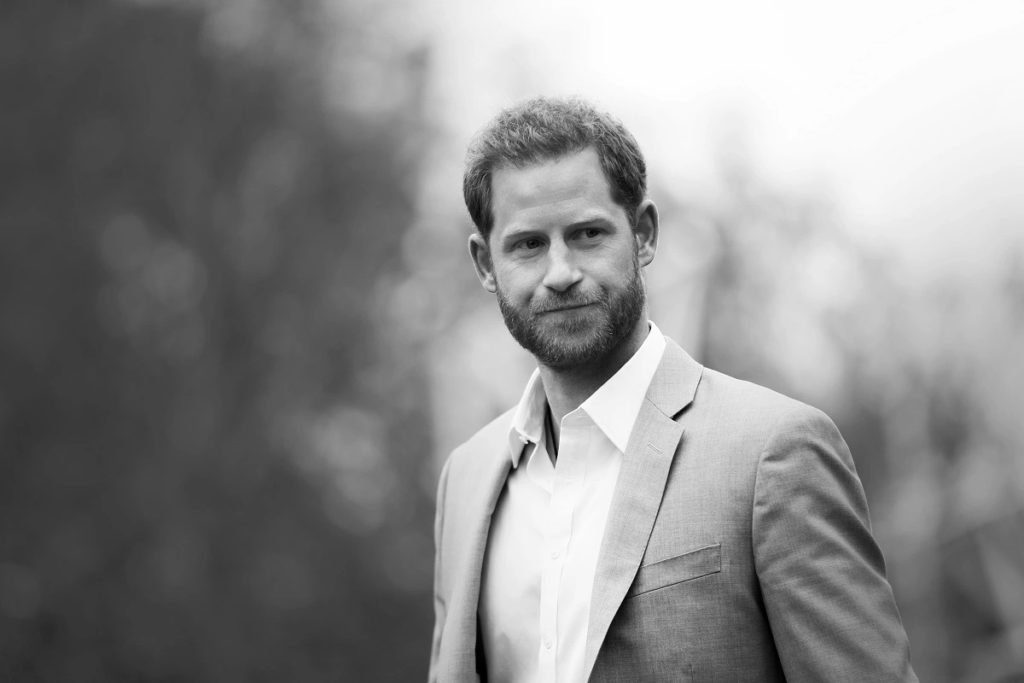 If Joan Didion were alive today, she might write an essay about Prince Harry and include it in an updated version of Slouching Towards Bethlehem. She might write a passage like the one she wrote about Howard Hughes:
That we have made a hero of Howard Hughes tells us something interesting about ourselves, something only dimly remembered, tells us the secret point of money and power in America is neither the things that money can buy nor power for power’s sake (Americans are uneasy with their possessions, guilty about power, all of which is difficult for Europeans to perceive because they are themselves so truly materialistic, so versed in the uses of power), but absolute personal freedom, mobility, privacy. It is the instinct which drove America to the Pacific, all through the nineteenth century, the desire to be able to find a restaurant open in case you want a sandwich, to be a free agent, live by one’s own rules.
Didion’s comment about finding a restaurant open for a sandwich comes from a remark she’d heard as an explanation for Hughes buying up real estate in Las Vegas. It may seem a bit much to procure a whole town as a way of ensuring you can get a bite to eat at 3 pm in the afternoon, or 3 am in the morning, but have you ever been to Europe? My first experience of Europe was a year abroad studying in Nice, France. One day, I planned to get together with an American friend for lunch. We figured we’d meet up in the old city center, walk around a bit, then pick a place that looked good. As it happened, we were both running a little late, then we strolled around a bit too long, and finally we walked into a restaurant at about, well, 3 pm. Ever the innocents abroad, we had yet to realize our fatal error. The restaurant was deserted, and we had difficulty finding someone who worked there. Eventually, we did. After we bumbled along in our best French, asking if we could eat there and feeling confused as to why we had to ask, the proprietor cast his cold gaze upon us and proclaimed that, in France, restaurants close between lunch and dinner time. The kitchen, he said, is closed. We were stunned. Were the social conventions truly so strong that they couldn’t be amended for us, two Americans, who just wanted something to eat and secretly felt that we deserved something to eat, as well? Were we really going to be turned away? We had money, after all. Read more »
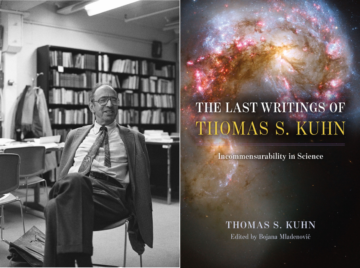
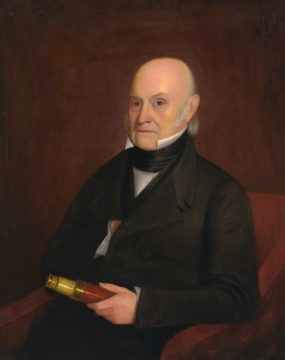

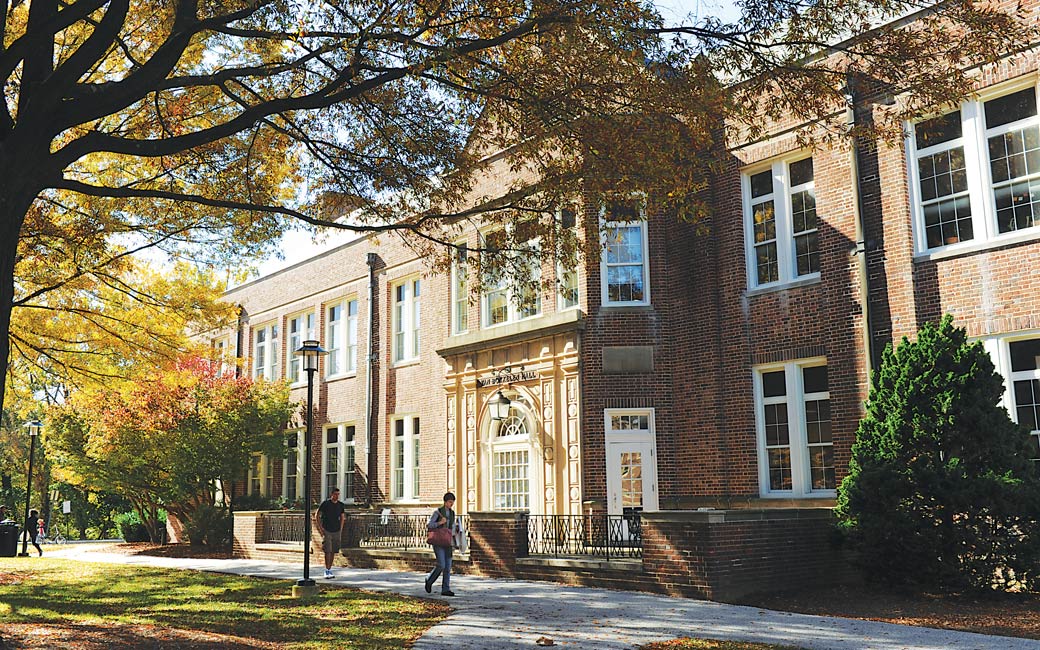

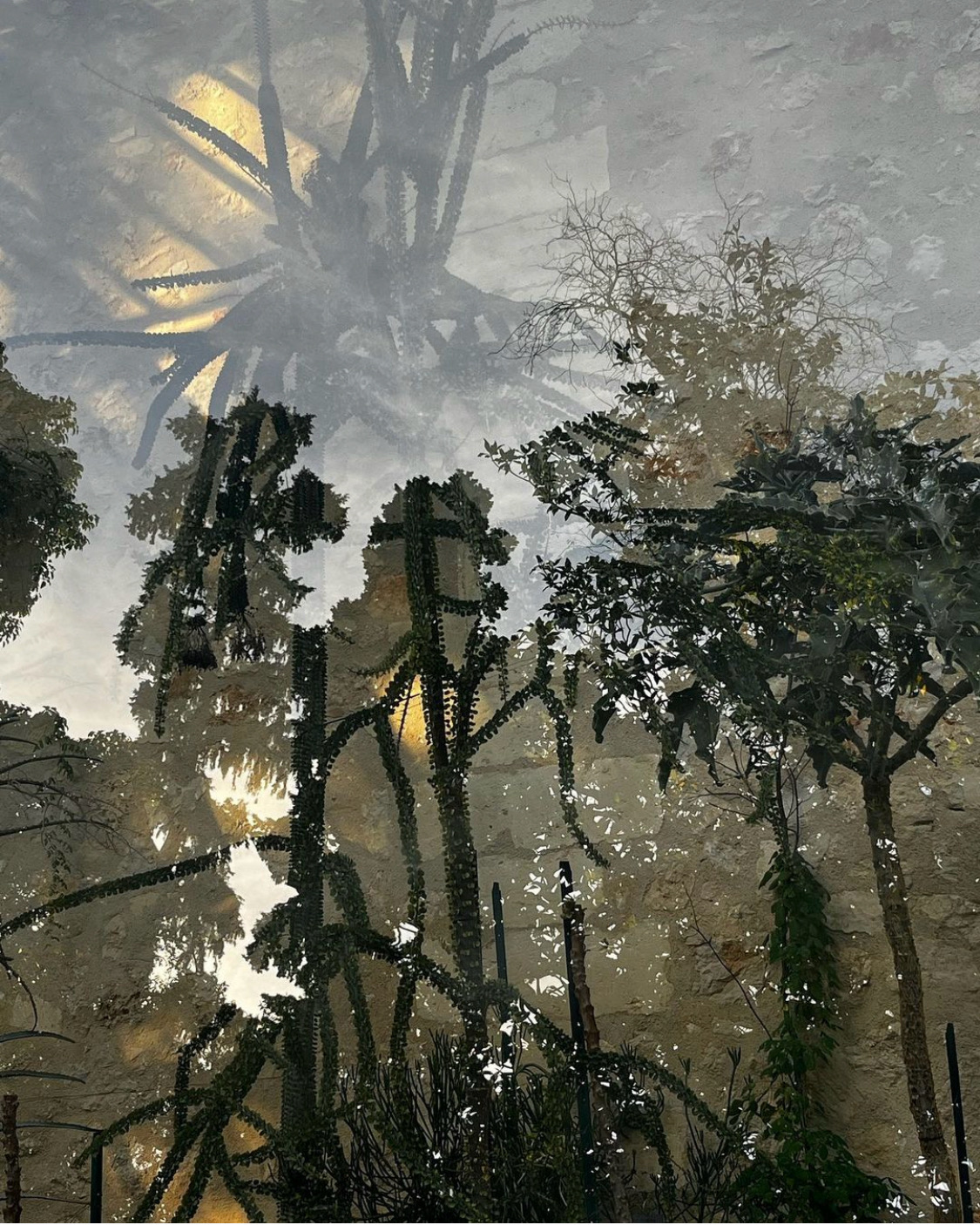 Ada Beams. Landscape Somewhere in France, 2022.
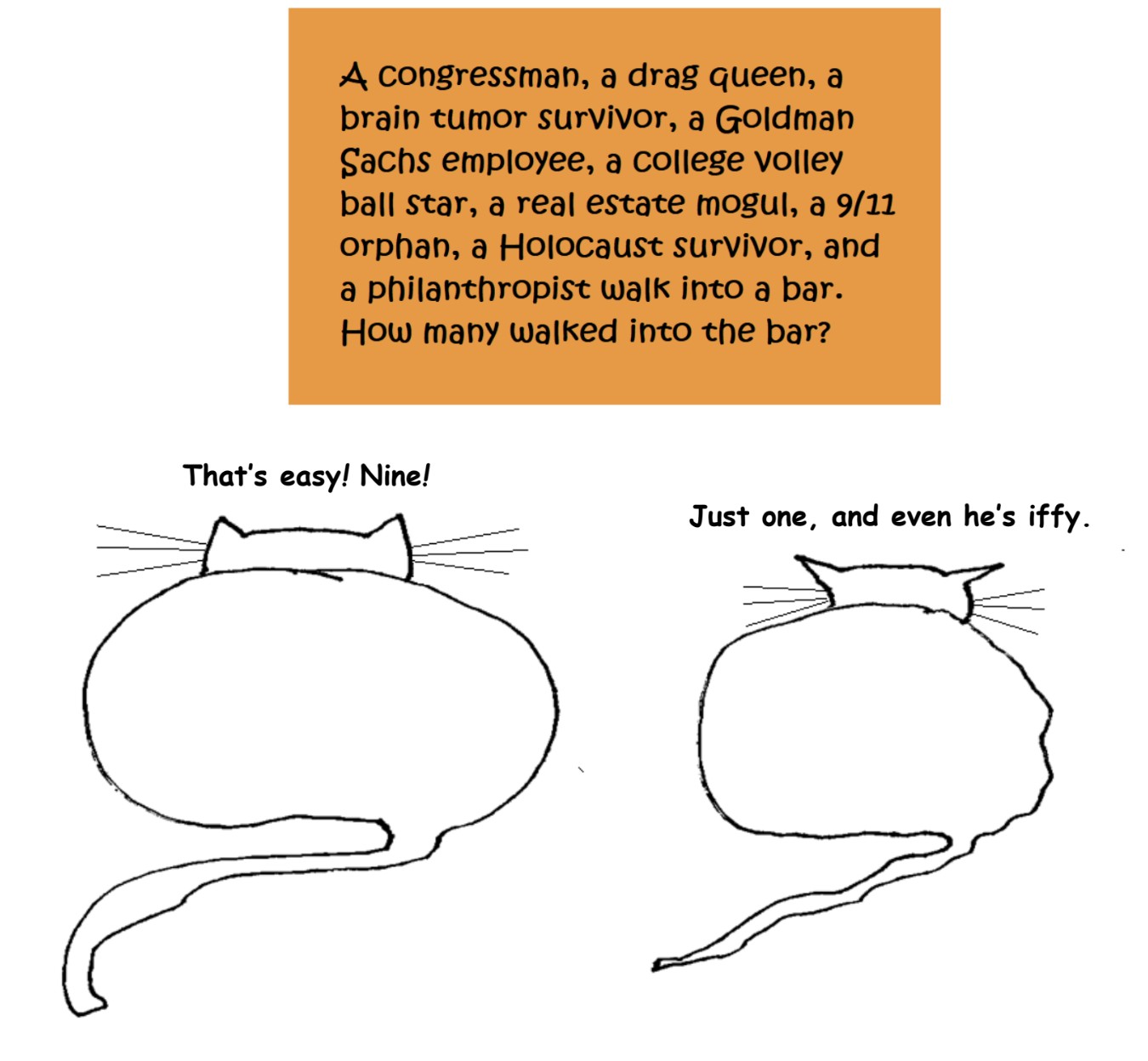
 I’m scared of birds. They’re dinosaurs, you know. They descend from the Jurassic when, just like in Jesus Loves Me, ‘they were big and we were small.’ Did you see those huge
 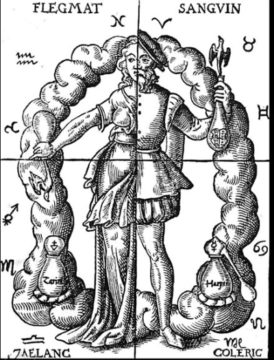 Lots of people discredit the Myers-Briggs as just a horoscope, but it’s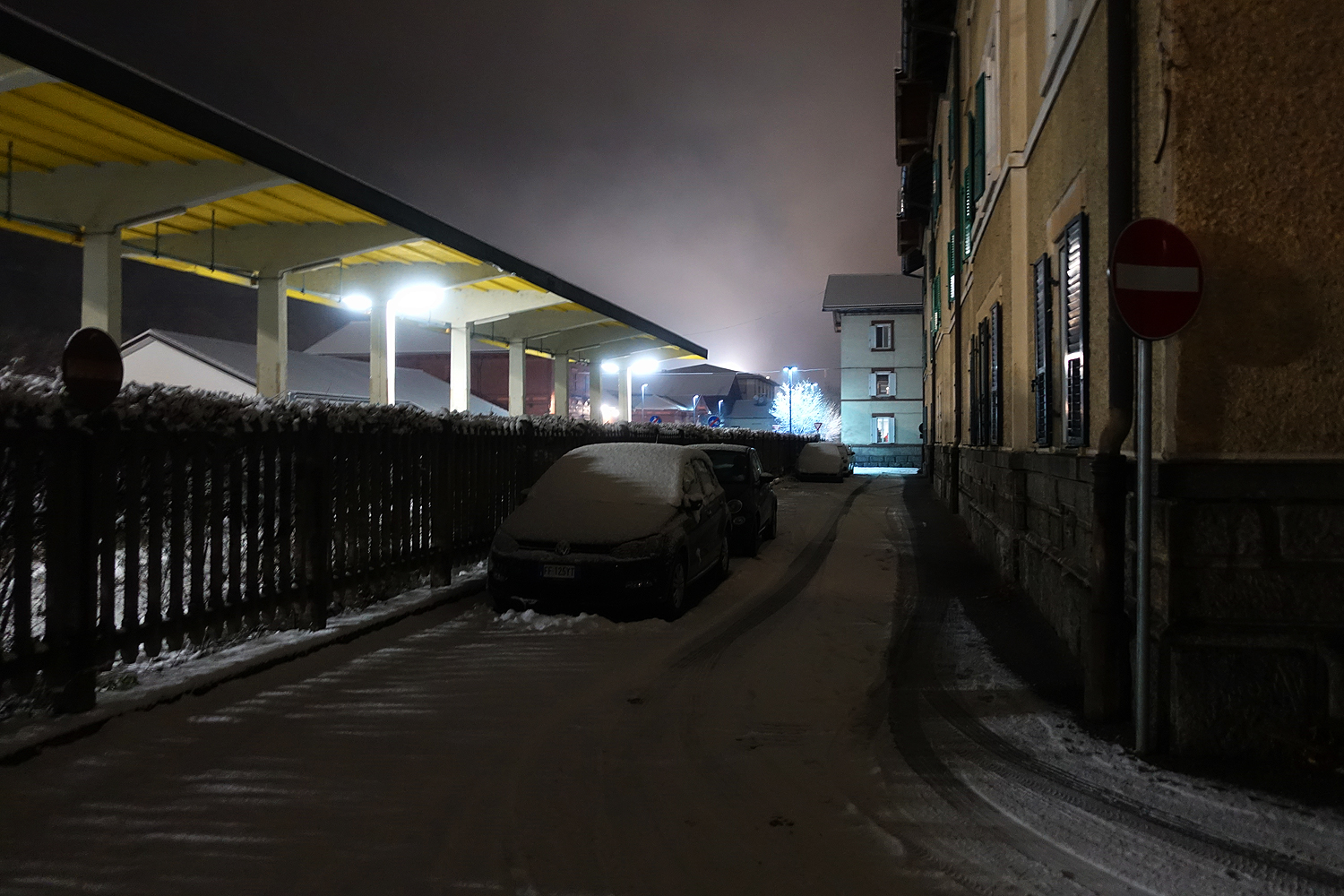

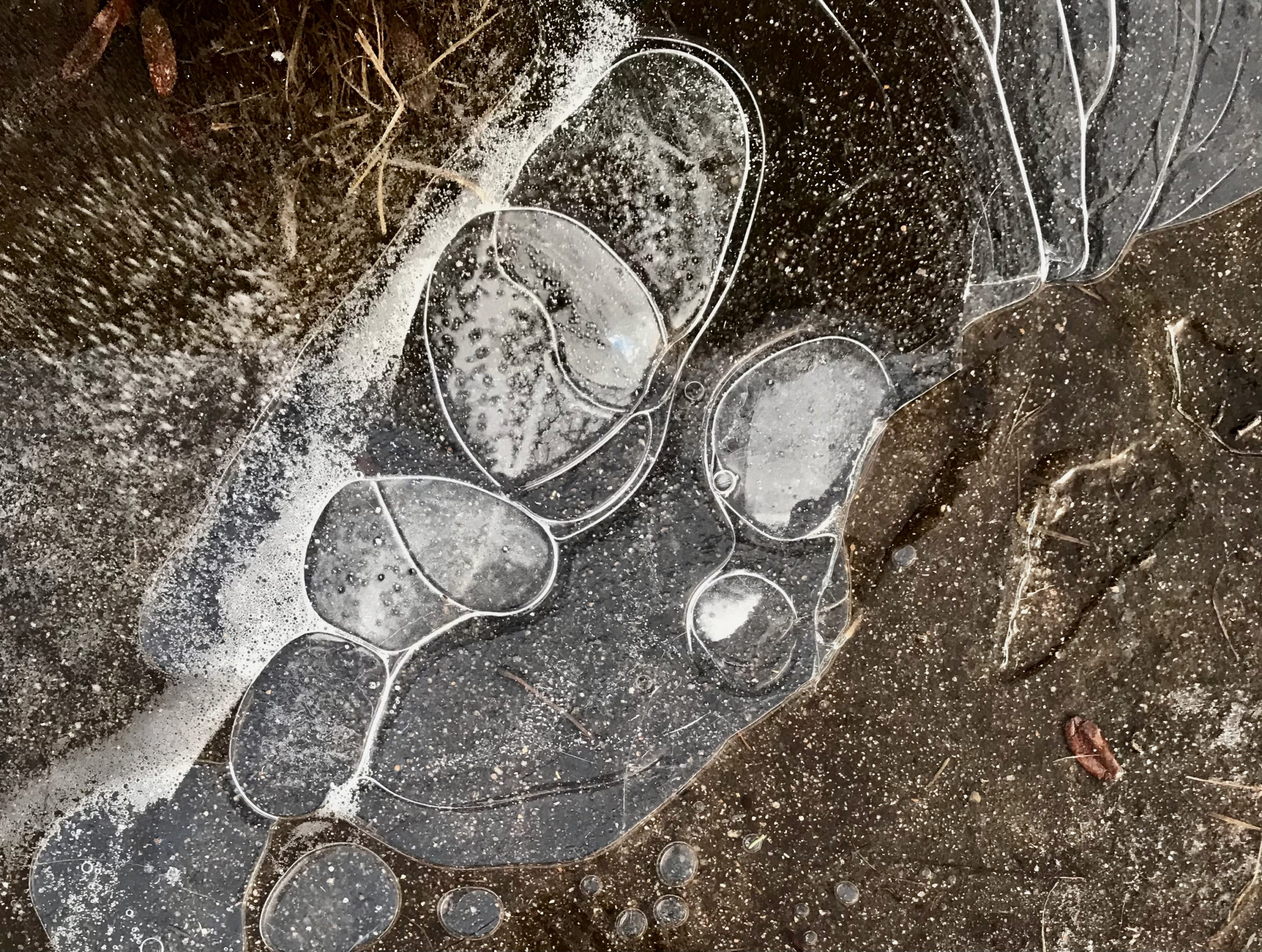 Sughra Raza. Early Winter Shapes, January 2022.
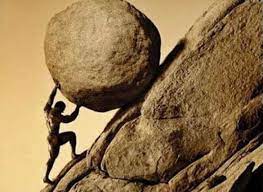 If we are to believe the most prominent of the writers we now lump under the category of “existentialism,” human suffering in the modern world is rooted in nihilism. But I wonder whether this is the best lens through which to view human suffering.

 Blanchett’s performance has been much praised, and it is indeed a tremendous thing: she must be near the head of the queue for an Oscar this year. It’s a great performance in a genuinely worthwhile and absorbing film. I don’t think it really expands our understanding of the themes it features: power and the exploitation young hopefuls by the (seemingly) all powerful star, the question of great art and flawed artists and so on, but it’s possible to come out of the movie thinking that it has. Blanchett’s performance has a lot to do with that. So a great performance in a very good rather than great film (assuming such categories can really be employed so neatly).