by Mike O’Brien

For a variety of public and private reasons, this year is already worse than last year, and last year was awful. I’ve pretty much given up my long-standing news addiction, which in previous years had me reading vast swathes of reporting and analysis for hours a day, because now I just don’t want to know the details of all the unfolding horrors of which I am already vaguely aware. This began when I stopped reading The Guardian after the American election. Of all the major English-language news outlets, The Guardian hews closest to my own political and moral sympathies, and as such tends to focus on issues and events that I care most about. Because the issues and events that I care most about all seem to be converging in a slow-motion flaming train-wreck, accurate and insightful reporting on such matters is psychologically unbearable. Being informed, at least in the compulsive manner of the news addict, is not the empowering experience I hoped it would be. Knowledge is a necessary but not sufficient condition for improving the world, and if the other necessary conditions (like access to relevant institutions, material power, opportune social and political conditions) don’t obtain, then the cost of knowledge seems to outweigh the benefits. I still feel the moral pull to “bear witness” to the important events of the world, but this feels more and more like a private exercise of virtue and less like a public duty of any practical utility.
Luckily, there is plenty to read besides headlines about how everything that I value is cooked. Read more »



 The Paradox
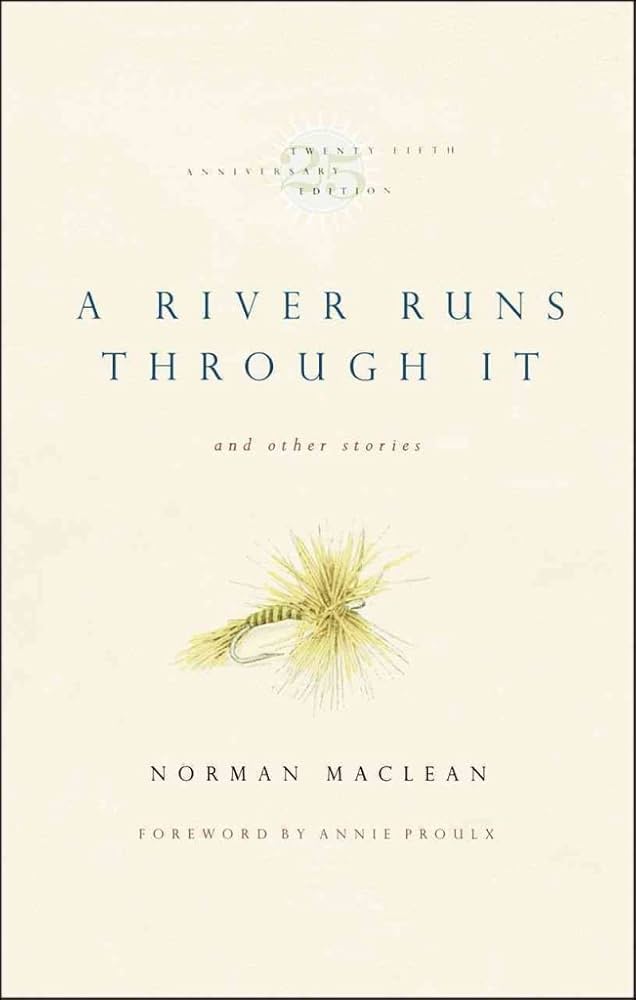 Three weeks later and I’m almost fully healed. My ribs still hurt when I lie down to sleep and when I rise in the morning, but sitting and walking are fine. In another week I’ll be able to return to the gym and attempt some light weightlifting, a welcome resumption of my weekly routine. There was, however, a silver lining to my accident. In the days immediately following it, I could do little else but read. Sitting down in a chair, I was stuck there. So it was that I took A River Runs Through It (1976) by Norman Maclean off the bookshelf in my father’s office and began to turn its pages.
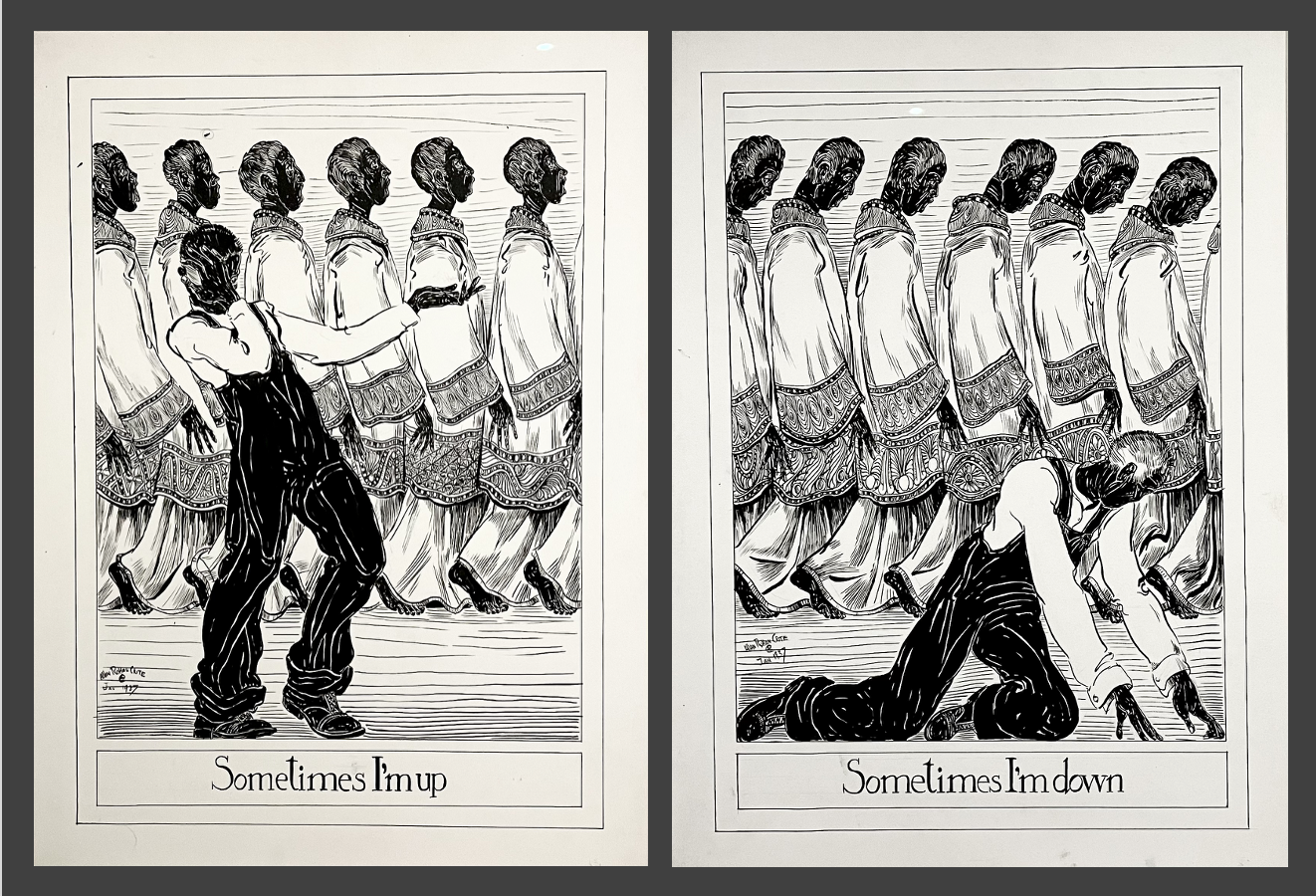 Allan Rohan Crite. Sometimes I’m Up, Sometimes I’m Down. Illustration for Three Spirituals from Earth to Heaven (Cambridge, Mass., 1948),” 1937.

 Did you ever read Ambrose Bierce’s short story “An Occurrence at Owl Creek Bridge”? If not, it starts as the story of a man who is going to be hanged. As the trap door opens under him, he falls, the rope tightens around his neck but snaps instead of bearing his weight, and he is able to escape from under the gallows. For several pages he wanders through a forest truly sensing the fullness of life in himself and around himself for the first time.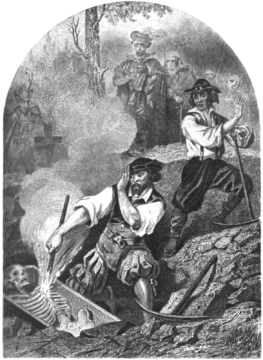
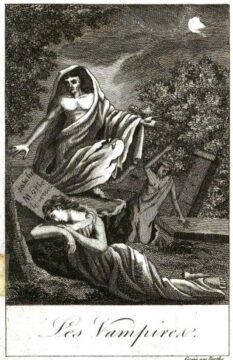 Most fiction tells the story of an outsider—that’s what makes the novel the genre of modernity. But Dracula stands out by giving us a displaced, maladjusted title character with whom it’s impossible to empathize. Think Anna Karenina, Madame Bovary, or Jane Eyre but with Anna, Emma, or Jane spending most of her time offstage, her inner world out of reach, her motivations opaque. Stoker pieces his plot together from diary entries, letters, telegrams, newspaper clippings, even excerpts from a ship’s log. Everyone involved in hunting down the vampire, regardless of how minor or peripheral, has their say. But the voice of the vampire himself is almost absent.