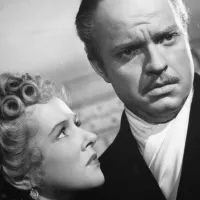
When Bach was a Busker in Brandenburg
When Bach was a busker playing for humble coin
he’d set up his organ in the middle of a square
regardless of pigeons, ignoring the squirrels who sat
poised at its edges waiting for their daily bread. He’d
set to work assembling its pipes from a scaffold of
arpeggios by his baroque means, setting its starts and stops,
its necessary rests and quick resumptions, seeing
in his mind’s-eye each note to come as he’d placed them, just so,
on paper at his desk, simultaneously hearing them
as they would resonate against eardrums in potential
cathedrals of brains— even before a key was touched,
even before a bow was raised,
even before a slender column of breath
was blown into a flute, or drum skins troubled the air,
he’d hear them as he saw them, strung out along
a horizontal lattice of five lines following the lead limits of a cleft,
soaring between and around each other darting out, in and through,
climbing, diving, making unexpected lateral runs between boundaries,
touching, sometimes, the edge of chaos but never veering there,
understanding the limits of all, so that now, having prepped for his
street-corner concerto, this then-unknown would descend from his scaffold
and share with the ordinary world how a tuned mind works in harvesting
song from a universe of stars: collecting their sweet sap, distilling it
into a sonic portrait of a universe that forever lies within the looped
horizon of things.
Jim Culleny, 10/3/22
Enjoying the content on 3QD? Help keep us going by donating now.
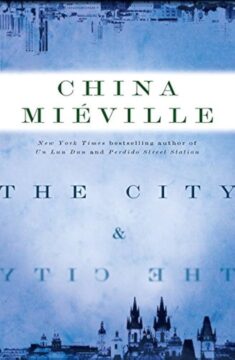


 Any sufficiently advanced technology might be indistinguishable from magic, as Arthur C. Clarke said, but even small advances–if well-placed–can seem miraculous. I remember the first time I took an Uber, after years of fumbling in the backs of yellow cabs with balled up bills and misplaced credit cards. The driver stopped at my destination. “What happens now?” I asked. His answer surprised and delighted me. “You get out,” he said.
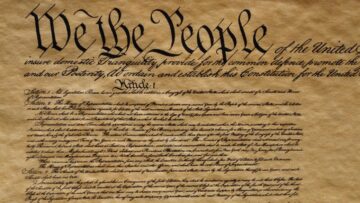 Several years ago I was the moderator of a bar association debate between John Eastman, then dean of Chapman University School of Law, and a dean of another law school. The topic was the Constitution and religion. At one point Eastman argued that the promotion of religious teachings in public school classrooms was backed by the US Constitution. In doing so he appealed to the audience: didn’t they all have the Ten Commandments posted in their classrooms when growing up? Most looked puzzled or shook their heads. No one nodded or said yes. Eastman appeared to have failed to convince anyone of his novel take on the Constitution.
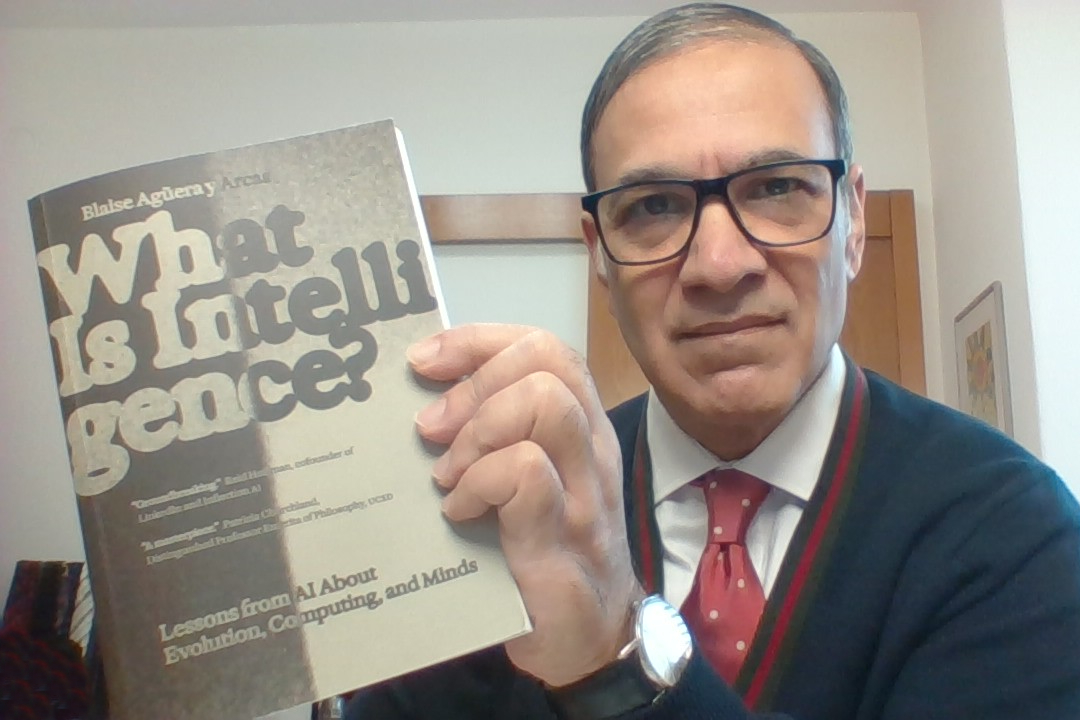
 The question of whether AI is capable of having conscious experiences is not an abstract philosophical debate. It has real consequences and getting the wrong answer is dangerous. If AI is conscious then we will experience substantial pressure to confer human and individual rights on AI entities, especially if they report experiencing pain or suffering. If AI is not conscious and thus cannot experience pain and suffering, that pressure will be relieved at least up to a point.

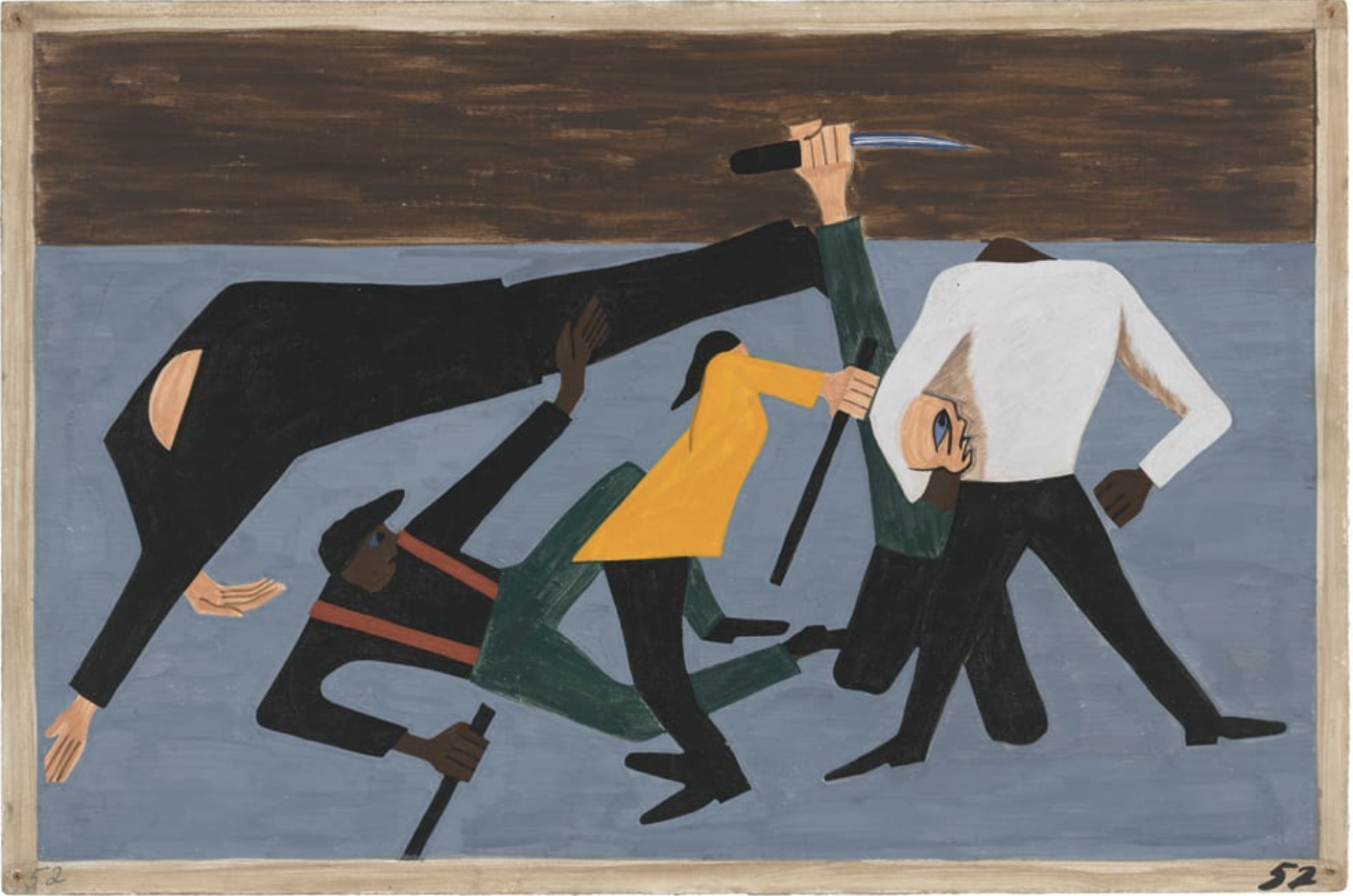 Jacob Lawrence. Migration Series (Panel 52).
 We do not need philosophers to tell us that human beings matter. Various versions of that conviction is already at work everywhere we look. A sense that people are worthwhile shapes our law, which punishes cruelty and demands equal treatment. It animates our medicine, which labors to preserve lives that might seem, by some external measure, not worth the cost. It structures our families, where we care for the very young and the very old without calculating returns. It haunts our politics, where arguments about justice presuppose that citizens possess a standing that power must respect. But what does it mean to say human beings are worthwhile? And why might it be worthwhile to ask what me mean when we say we matter?
 Not long ago I wrote for 3 Quarks Daily
  Anyway, I’ve been following