
by Tim Sommers
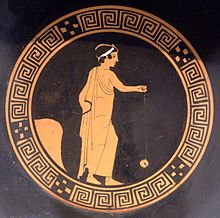
Suppose you have loved yo-yos since you were a child. You’ve spent countless hours hanging out with other yo-yoers, learning tricks, and reading up on the history of yo-yos (which date back to at least 500 BCE (see above detail of Greek terracotta: “Boy with Yo-Yo circa 440 BCE”)).
You have also spent the last ten years fundraising, planning, and participating in the building of the greatest yo-yo museum/yo-yo venue the world has ever seen. Now, tonight is the grand opening. You will be on stage yo-yoing with the greatest yo-yoers in the world. This is what you have always wanted. On your way to the venue, however, you suddenly realize that you don’t care about yo-yos anymore. In fact, if anything, they have begun to annoy you. You feel certain that you never want to yo-yo, or watch people yo-yo, or even see another yo-yo for the rest of your life.
But here you are in front of the venue. People are gesturing for you to come in. It feels like the person who would have wanted to go in there is a different person than the person that you are now. They are not you. You are not them. Yet, they have sacrificed so much to get here. Time, money, relationships – all gone now – in service of a love of yo-yos and a desire to be on-stage celebrating the opening of the world’s greatest yo-yo museum. A desire you don’t feel anymore.
Should you go in anyway? Do you owe it to your former self, who sacrificed so much to get here, to follow through and go in and yo and yo and yo? Can we even make sense of the idea that one could owe one’s own past self something? Read more »
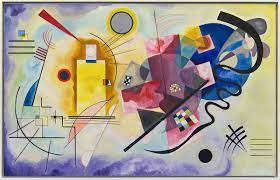 In debates about hedonism and the role of pleasure in life, we too often associate pleasure with passive consumption and then complain that a life devoted to passive consumption is unproductive and unserious. But this ignores the fact that the most enduring and life-sustaining pleasures are those in which we find joy in our activities and the exercise of skills and capacities. Most people find the skillful exercise of an ability to be intensely rewarding. Athletes train, musicians practice, and scholars study not only because such activities lead to beneficial outcomes but because the activity itself is satisfying.
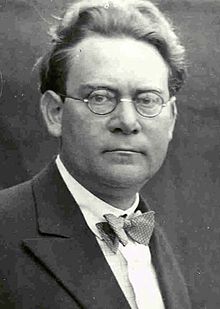

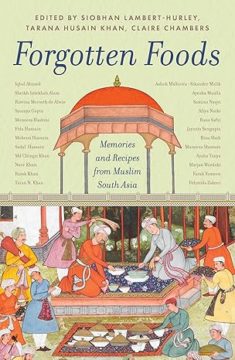 I’m excited about the imminent Halloween publication date of
 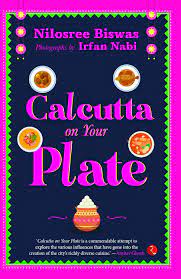 South Asian literature. As part of this, I was delighted to be sent


 The most intimidating item by far was


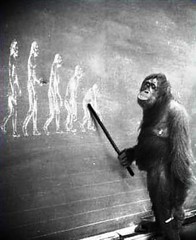
 Shilpa Gupta. Untitled 2009.
 If you were a medieval peasant in the year 1323 AD, would you have believed that slavery was morally permissible?