by Rebecca Baumgartner

A few months ago, I was eating dinner at a restaurant and the manager stopped by to see how I was doing. When he saw me reading War and Peace, we got into a conversation about what the book was about, why it was so long, and whether it was worth it (the answer to the last one is “yes,” by the way!). After a few minutes of conversation, he assured me he would get it and try to read it. And then he comped my meal.
I love it when things like that happen. I don’t mean getting free stuff (although that does happen sometimes – just the other day I had a cashier at Target randomly give me a $5 gift card because he liked my Legend of Zelda shirt and was happy to find a fellow fan). What I really mean is the surprisingly pleasant, spontaneous interactions we have with strangers, acquaintances, and other “weak ties,” to use the sociological term. For example, the other day I showed up at my favorite Italian restaurant and before I’d even sat down, the waiter had brought me my wine and informed me that he’d already put my order in.
What amazes me is just how meaningful and interesting and life-affirming these exchanges feel. It feels good to be recognized and remembered, even in the context of trivial things like pizza and coffee (which are actually not that trivial, in my opinion). Baristas remembering your name, a coworker remembering your birthday or pet’s name, someone asking after the random body part that was hurting the other day – all of these are dopamine hits for our socially wired brains. Each one says You have a community. You’re safe. This person has your back. Of course, in reality it’s not that simple, but in a very significant sense, it almost doesn’t matter if those beliefs are literally true or not. The simple fact that your brain holds them has a psychologically healthy and protective quality all its own. Read more »



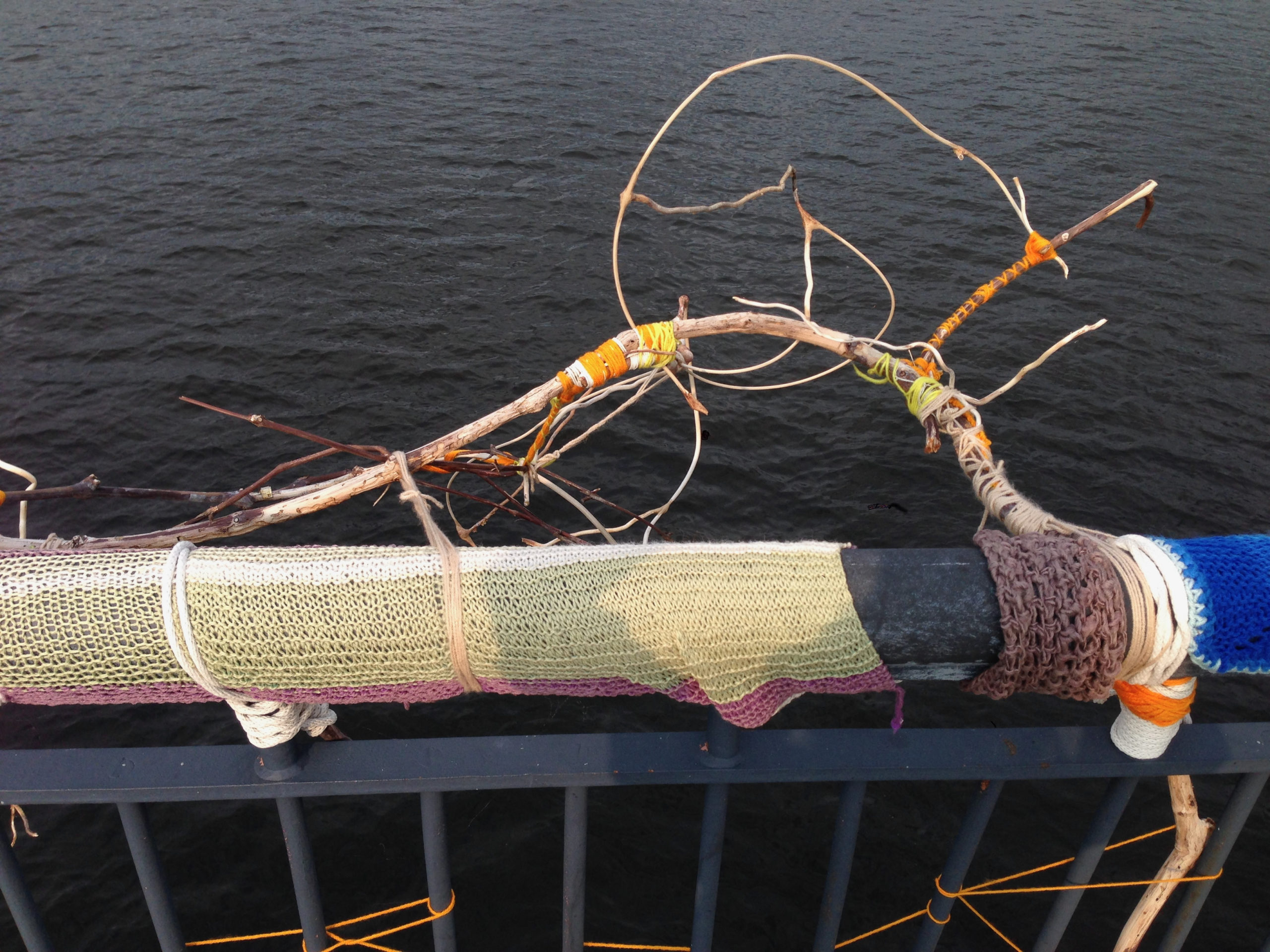 Sughra Raza. Yarn Art on The Mass Ave Bridge, July 2014.
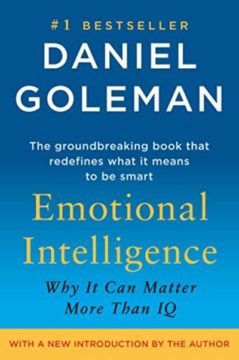 Daniel Goleman’s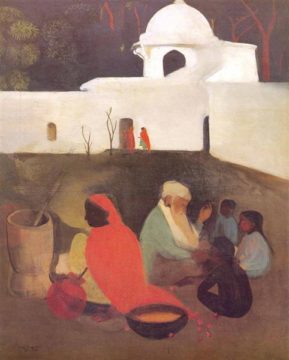




 The man who’d spoken to me before appears at my side and whispers into my ears again.
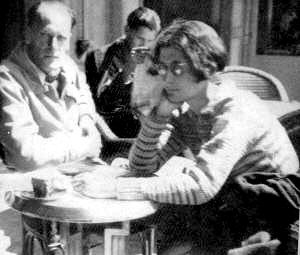 In the past decade, the writer Simone Weil has grown in popularity and continues to provoke conversation some 80 years after her death. She was a writer mainly preoccupied with what she called “the needs of the soul.” One of these needs, almost prophetic in its relevance today, is the capacity for attention toward the world which she likened to prayer. Another is the need to be rooted in a community and place, discussed at length in her last book On the Need for Roots written in 1943.
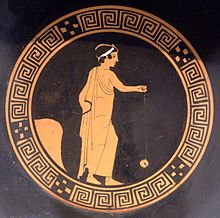
 In debates about hedonism and the role of pleasure in life, we too often associate pleasure with passive consumption and then complain that a life devoted to passive consumption is unproductive and unserious. But this ignores the fact that the most enduring and life-sustaining pleasures are those in which we find joy in our activities and the exercise of skills and capacities. Most people find the skillful exercise of an ability to be intensely rewarding. Athletes train, musicians practice, and scholars study not only because such activities lead to beneficial outcomes but because the activity itself is satisfying.