by Andrea Scrima
 In November 2023, in an essay for the German national newspaper die taz, I wrote that Germany’s Jews were once again afraid for their lives. It was—and is—a shameful state of affairs, considering that the country has invested heavily in coming to terms with its fascist past and has made anti-antisemitism and the unconditional support of Israel part of its “Staatsräson,” or national interest—or, as others have come to define it, the reason for the country’s very existence. The Jews I’m referring to here, however, were not reacting to a widely deplored lack of empathy following the brutal attacks of October 7. In an open letter initiated by award-winning American journalist Ben Mauk and others, more than 100 Jewish writers, journalists, scientists, and artists living in Germany described a political climate where any form of compassion with Palestinian civilians was (and continues to be) equated with support for Hamas and criminalized. Assaults on the democratic right to dissent in peaceful demonstrations; cancellations of publications, fellowships, professorships, and awards; police brutality against the country’s immigrant population, liberal-minded Jews, and other protesting citizens—the effects have been widely documented, but what matters most now is now: the fact that the German press is still, four months later, nearly monovocal in its support of Israel and that over 28,000 civilians, two-thirds of them women and children, have died. Read more »

 by David J. Lobina

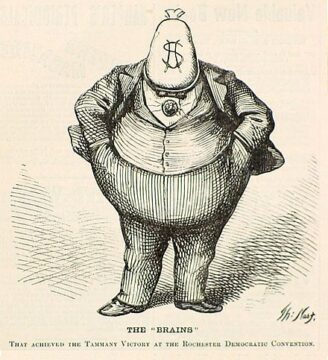 ew years, I keep getting stuck on the same question: Don’t these people have grandchildren? How can corporate decision-makers spend their days actively working to destroy the environment, pollute the water, kill off the animals, melt the glaciers, and incinerate the biosphere? Even if what they care about the most is making more money no matter how much money they already have, don’t they care at all about the world they’re leaving for their kids?
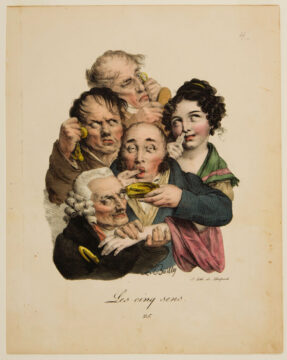

 In
In  Amar Kanwar. The Sovereign Forest, 2011- …
 The last time I see Sam she’s sitting at the vanity in her bedroom, carefully examining her 16 year-old face in its lighted mirror.


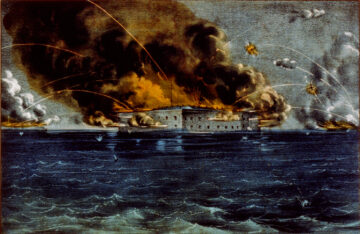
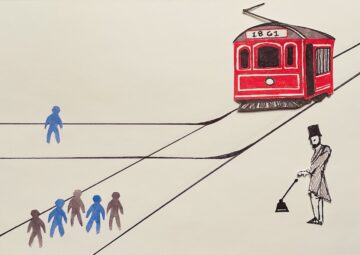 Did we need to have a Civil War? Couldn’t the two sides, geographically defined as they were, simply part before the shooting started? Did Lincoln intentionally choose war for any one of a variety of unworthy reasons that stopped short of necessity, including even something so mundane as a fear of losing face? Or was he faced with an intractable situation for which there was no simple, satisfactory answer—a type of political Trolley Problem?