by Mike O’Brien

First, some good news: I finally understand the Monty Hall problem. Or, at least, I feel like I do, which is still a triumph of sorts, given that this riddle’s empirically incontestable answer tends to evoke visceral, intuitive rejections, even among people who understand and accept every step of the explanation. I first encountered this wicked little brain teaser years ago during my undergrad philosophy studies, and only last week did it click into comprehension, thanks to a fine article by Allison Parshall in the August 2024 issue of Scientific American. The explanation that made sense to me is roughly as follows: When you choose one of three doors, there is a 1/3 chance that the prize lies behind it, and a 2/3 chance that the prize lies behind one of the two doors not chosen. When the host reveals that one of the two unchosen doors has no prize behind it, the odds are unaltered in the sense that there is still a 1/3 chance that the prize lies behind the door initially chosen, and still a 2/3 chance that it lies behind behind one of the doors not chosen. The host’s action just collapses that 2/3 chance into the single remaining unchosen door. So, while the player’s choices are split “50/50” between two remaining options (stay with the already chosen door, or switch to the remaining unchosen door), the odds remain 1/3 (behind the chosen door) versus 2/3 (behind the two unchosen doors, of which only one can now be chosen).
I had come close to understanding this last year when reading another discussion of the problem, which expanded the scenario to 100 doors, with Monty opening all but one of the 99 doors not chosen by the player in the first step of the game. In both the 3-door version and the 100-door version of the game, Monty opens all but one of the doors not chosen, collapsing the distribution of the odds into one remaining choice (2/3 or 99/100, respectively). It was intuitively obvious that if Monty opened all but one of the 99 unchosen doors, then that remaining door was more likely to hide a prize than the one randomly chosen by the player at the start of the game. But the idea that the odds remain the same, while the freedom to choose the wrong door shrinks, didn’t click yet. Now it clicks. I thank Parshall for removing one small but stubborn source of frustration from my life.
And now, a little chronicle about my other problems and solutions. Read more »
 I’ve been surfing for about three years.
 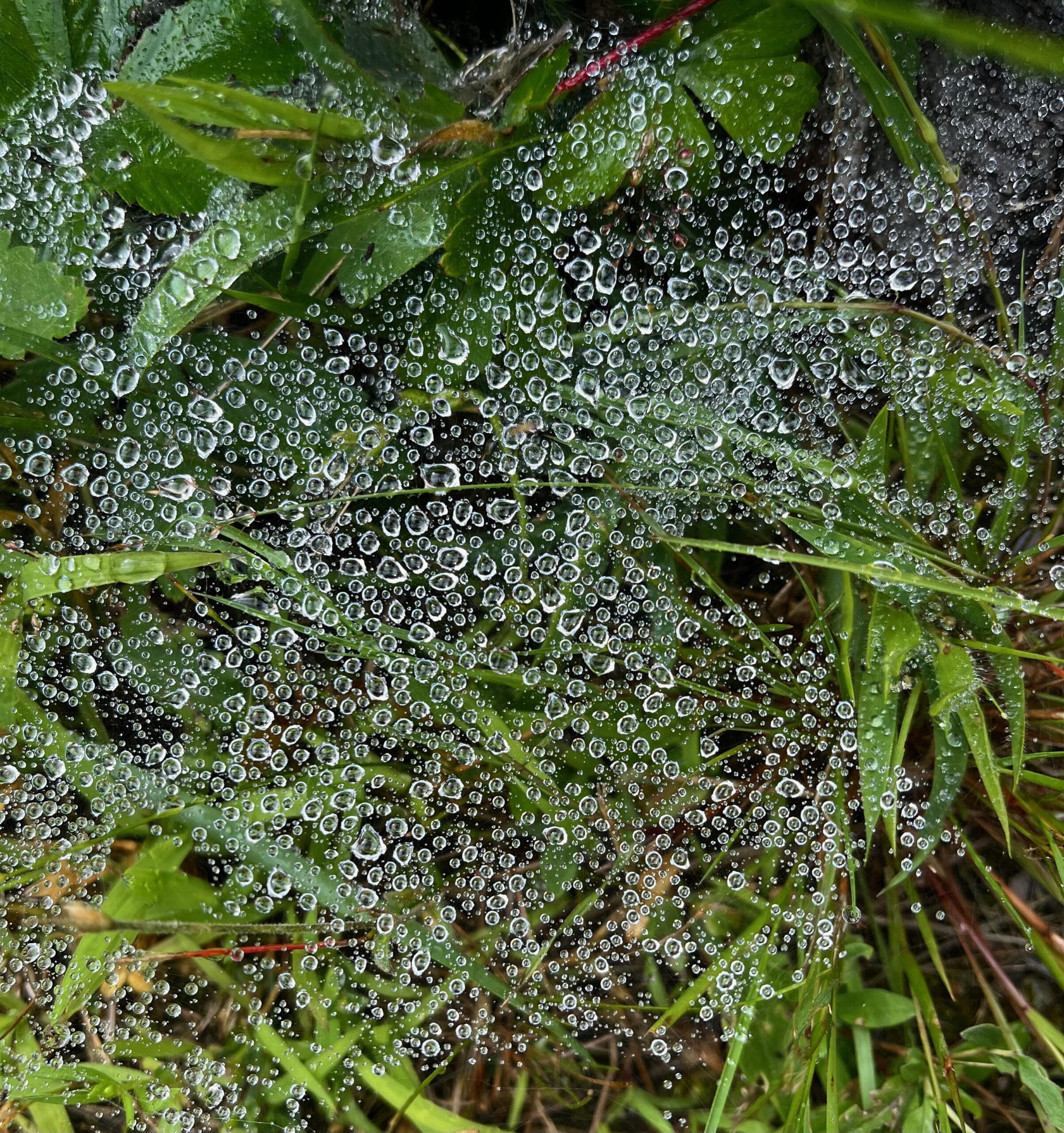 Sughra Raza. After The Rain. Vermont, July 2024.


 Karl Ove Knausgaard went around for many years claiming that he was sick of fiction and couldn’t stand the idea of made-up characters and invented plots. People understood this to be an explanation of why he had decided to write six long books about his own life. There was some truth in this, but the simple contrast between fiction and reality was complicated by the fact that Knausgaard referred to his autobiographical books as novels. Were they real? Was the Karl Ove of the story the same as the author? It seemed like it, but then why call them novels? The problem lay with the word “fiction.” Like a German philosopher, Knausgaard had his own definitions for words that we thought we all agreed on.
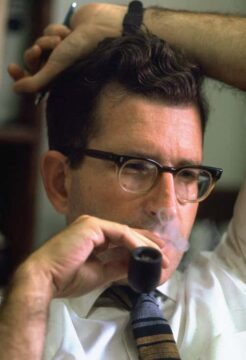 Noam Chomsky was rumoured to have left us almost a month ago, but he always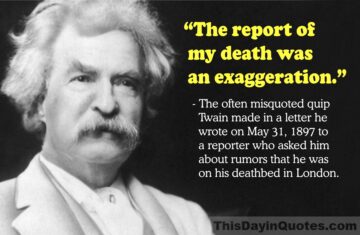

 There are only four U.S. states where white people are
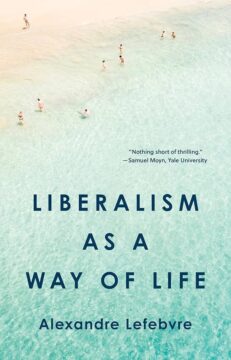 Even after discussing Daniel Chandler’s inspiring