by Mindy Clegg
This month’s post might be shorter than usual, as the semester kicks off next week. I do want to address a couple of things going into the final stretch of the election season. Some historians and scholars have long debated what matters most, the zeitgeist (or vibes as the kids would have it) or materialist view of historical change. But is it really either-or? Let’s take the upcoming election in November. Many have noticed that there has been a change in feeling these last few weeks. At least some of that is embedded in the material conditions happening in the world, such as improvements in the economy, strong job numbers, and rising wages. Stories that explicate the zeitgeist matter, but so do outcomes, as we can see with the Star Trek: Deep Space Nine story “Past Tense.” If there is a vibe change, it’s not just down to attitudes, but the material conditions in which we find ourselves. So, let’s look at the changing vibes of the election.
It’s important to keep in mind that humans love a good story. I would even argue (following the thinking of the late Sir Terry Pratchett) that our love of stories is what makes us human.
Stories can help us to better understand the deeply complicated world in which we find ourselves. A good set of stories can give us shared meaning and direction. It can cement ties between people and move us to make change for the better. The Harris-Walz campaign has seemingly harnessed the power of story in that manner. Both have a compelling background that most of us can connect with, grounded in both struggles and opportunities. They seem entirely relatable, human, approachable. Much like in the year 2000, many people embraced George W. Bush because some voters thought they’d like to have a beer at the local bar with him (despite Bush being someone in recovery from alcoholism-something also rather relatable). While Harris reflects an ambitious career-driven woman from a middle class background, Walz embodies strong mid-west dad vibes. We got some of that from their DNC speeches. Read more »
 Chakaia Booker. Romantic Repulsive, 2019.
 I will use this column to defend myself against the accusation, first made by my surgical assistant Mr. Alan Turing, that I was negligent in the death of an individual under my medical care. Or, as one armchair prosecutor has said, that I am “a stereotypically British sentimentalist who thinks dogs are more human than people.”
  There is a beautiful garden in a quiet tree-lined street in Manhattan’s Little Italy. There are rows of flower, lush, abundant and slightly wild, a stone balcony you can imagine Romeo climbing up to, stone balustrades, several lions, one with climbing vines adorning his face, a sphynx, various other statues, a copy of a Hermes medallion from the late antiquity, a fig tree and a hydrangea tree, giant shady pear trees, and many small hidden paths that lead to gazebos and intimate garden spaces. People in the garden sit and while the time or read by a little table. In a very small space, Elizabeth Street Garden has been able to replicate the richness of life, spaciousness of spirit, the magnanimity and dedication to beauty of the best Italian gardens. It is one of the truly great places in NYC. But after 12 years of struggle between the city and garden advocates, on June 18, 2024, the




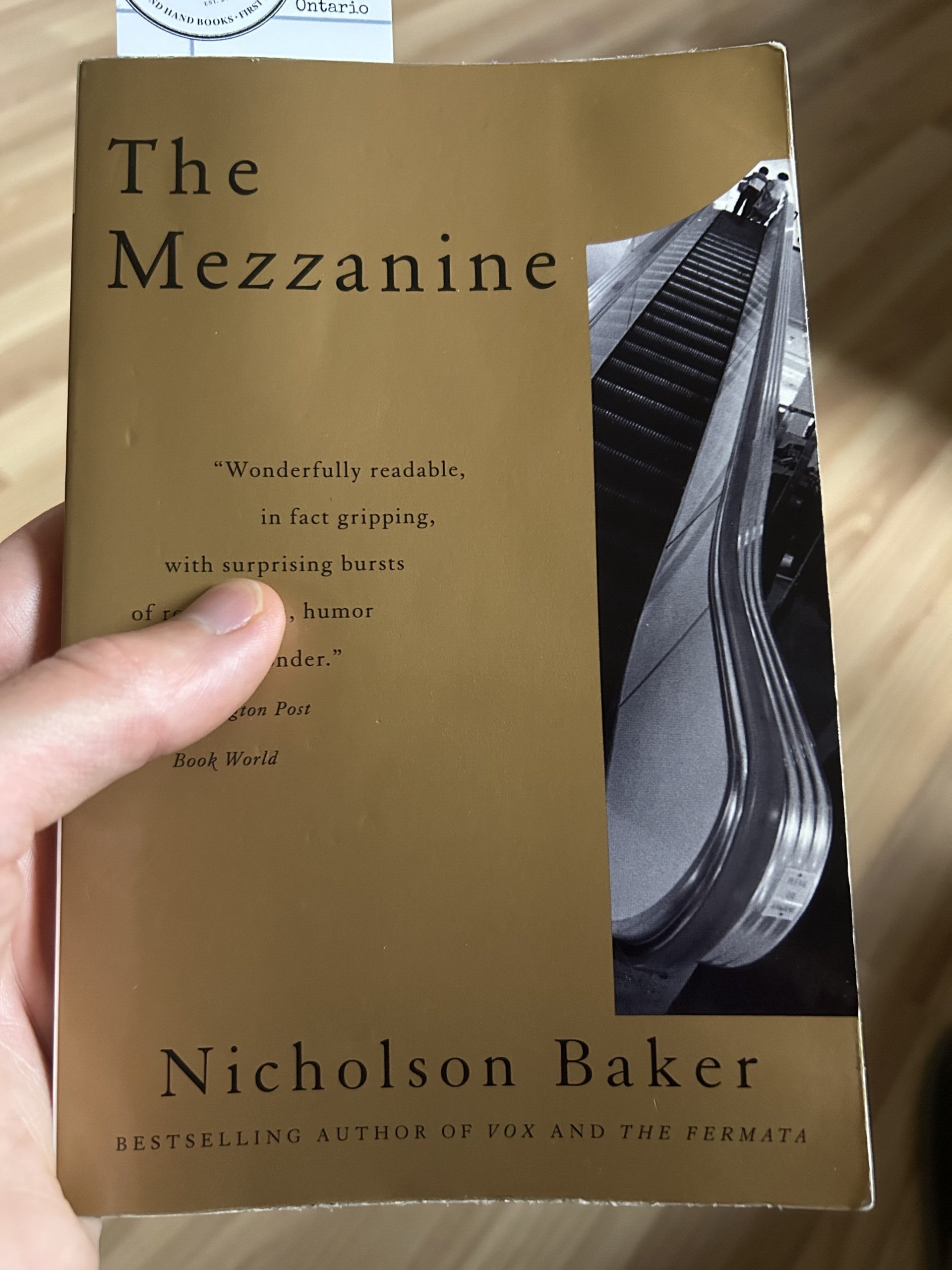 e Mezzanine by Nicholson Baker is a novel about paying attention. After you read a chapter, you, too, begin paying attention to things you’ve never noticed before.
 Robert McDonnell was the Governor of Virginia in 2014 when the federal government indicted him and his wife on bribery charges. A Virginia businessman named Jonnie Williams provided the McDonnells with over $175,000 in “loans, gifts and other benefits.” In exchange, the Governor “arranged meetings, hosted events, and contacted other government officials” in an effort to advance the fortunes of Anatabloc, a nutritional supplement manufactured by Williams’ company.
 Sughra Raza. Remains of The Day. Oolloo House, Vermont, August 2024.
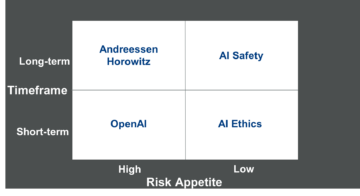 The battle lines are drawn. AI safety is fighting a battle on three fronts.