by Andrea Scrima
1. Bloodthirsty

I have a morbid personality; sometimes I stay up late at night, googling serial killers and rapists. In the light of the computer screen, scrolling through articles on websites published by amateur sleuths, I feel the dark pull of the unspeakable deed. But my fascination isn’t for the blood and gore; there is no thrill bubbling up inside, no voyeuristic kick. Nor am I moved by an urge to understand the killers’ psychological predicament or the geometry of their desire. The pull I feel is not toward their person or otherwise banal lives, but that point of no return when the not-yet-killer gives in to the irresistible urge, forfeits his allegiance to society, and defects to the other side. How strong does that urge have to be?
I worry. The brain is an organ, it’s unreliable, prone to illness; a sick brain thinks sick thoughts. There was a point in the killer’s life, I think, when he or she hadn’t yet committed the crime, a point when it would have been possible to stop and reflect on the inevitable consequences—not a life of adventure and freedom, but the monotony of prison, of incarceration and boredom, isolation, enforced celibacy. Could this happen to me—could something push me over that tipping point, and I’d find myself a moment later in a foreign land? I am horrified by physical violence; a bloody scene in a movie makes me turn my head away. The mirror neurons in my body tingle in response when I see someone else’s wound. What happens to people who lose this visceral reaction, who grow numb and enter a realm in which the divide between the self and the other is so absolute that they live as though in a vacuum, sealed off, in communion with their darkest compulsions, indifferent to the living reality of another human being’s existence?
I scroll through reports of repulsive deeds: the Danish inventor who murdered the young journalist who came to interview him because he was convinced that the rush he would experience at the very moment he was annihilating her would be superior to all the orgasms he’d had previously; the Coloradan who strangled his wife and smothered his two children in the expectation that the life he would then be free to live with his girlfriend could be happy and carefree, unencumbered by child support payments and filled with the real-life equivalents of the emojis and exclamation marks that decorated his love letters to her. Unremarkable, contemptible people on nearly every level. In the first case: megalomania and a history of power issues and abusive relationships; in the second, murderous intent hidden behind a mild-mannered demeanor and a stupidity so dumbfoundingly obvious that the footage of his interrogation at the hands of a brilliant woman detective deftly guiding him toward claims that proved effortlessly refutable is almost a pleasure to watch. And yet: there’s something I’m not getting. What is it that draws me in? Read more »
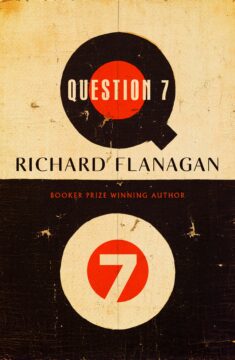 The Australian author Richard Flanagan is the 2024 winner of the prestigious Baillie Gifford Prize for Non-Fiction for his book Question 7. The book is a brilliant weaving together of memory, history, of fact and fiction, love and death around the theme of interconnectedness of events that constitute his life. Disparate connections between his father’s experience as a prisoner of war, the author H.G. Wells, and the atomic bomb all contributed towards making Flanagan the thinker and writer he is today. The book reveals to us his humanity, his love of family and of his home island of Tasmania; it is what Flanagan expects of a book when he says, ‘the words of a book are never the book, the soul is everything’, and this book has ‘soul’.
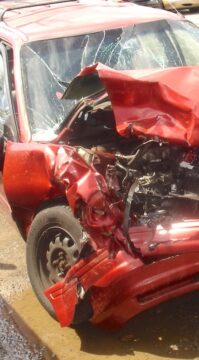 After I moved from the UK to the US it took me only a couple of years to cede to my friends’ pleas and start driving on the right. When in Rome, and all that. But I still like to irritate Americans by maintaining that we Brits are better at this essential mechanical skill. I mean, when we drive, we
 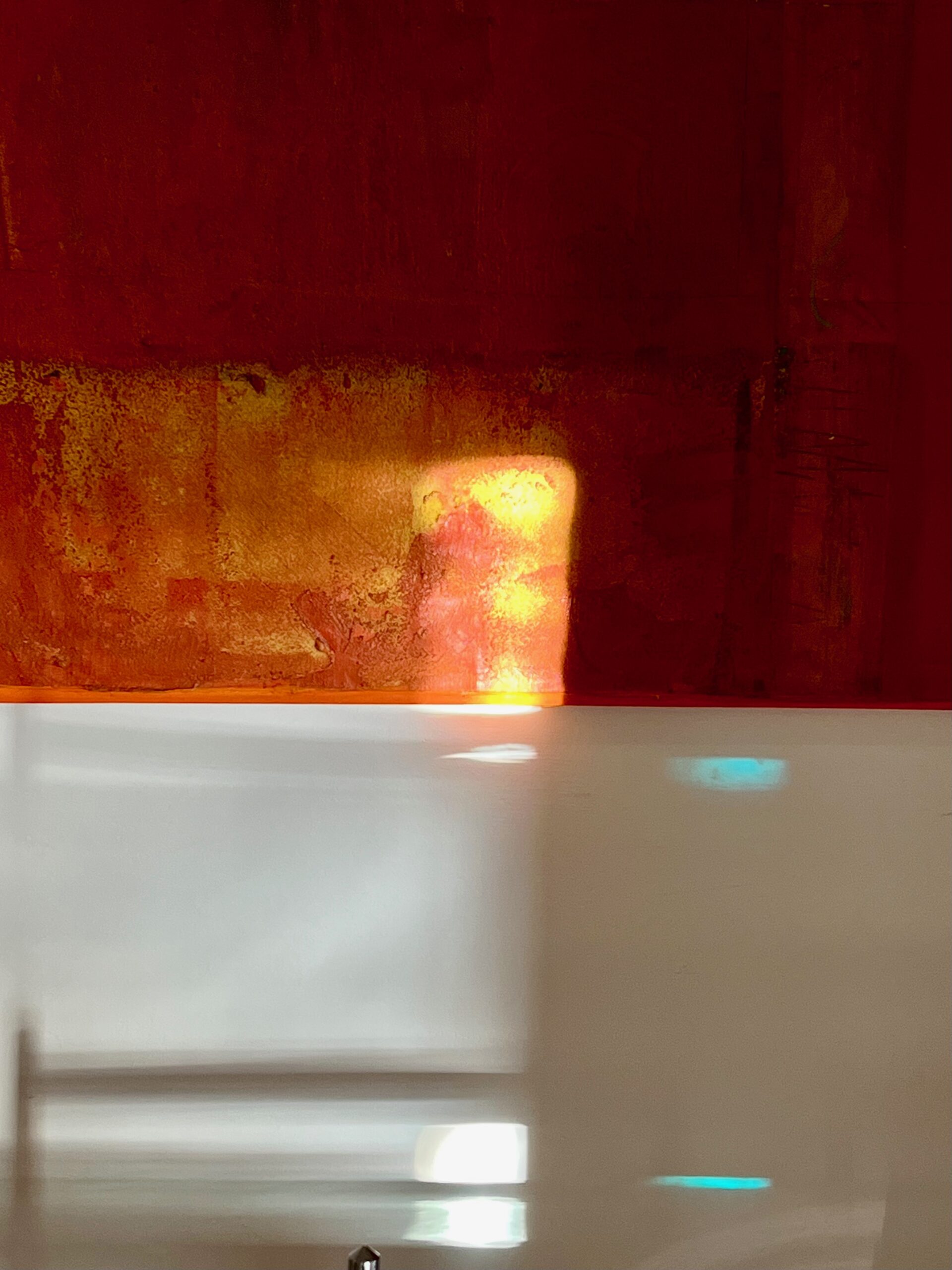 Sughra Raza. Ephemeral Apartment Art. Boston January 4, 2025.
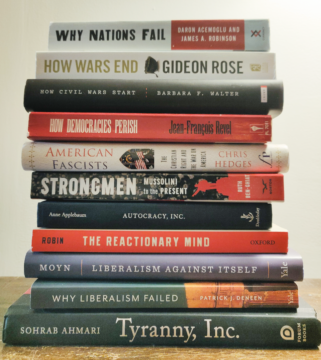 The same media that warned us against Donald Trump now warn us against tuning out. Though our side has lost, we must now ‘remain engaged’ with the minutiae of Mike Johnson’s majority
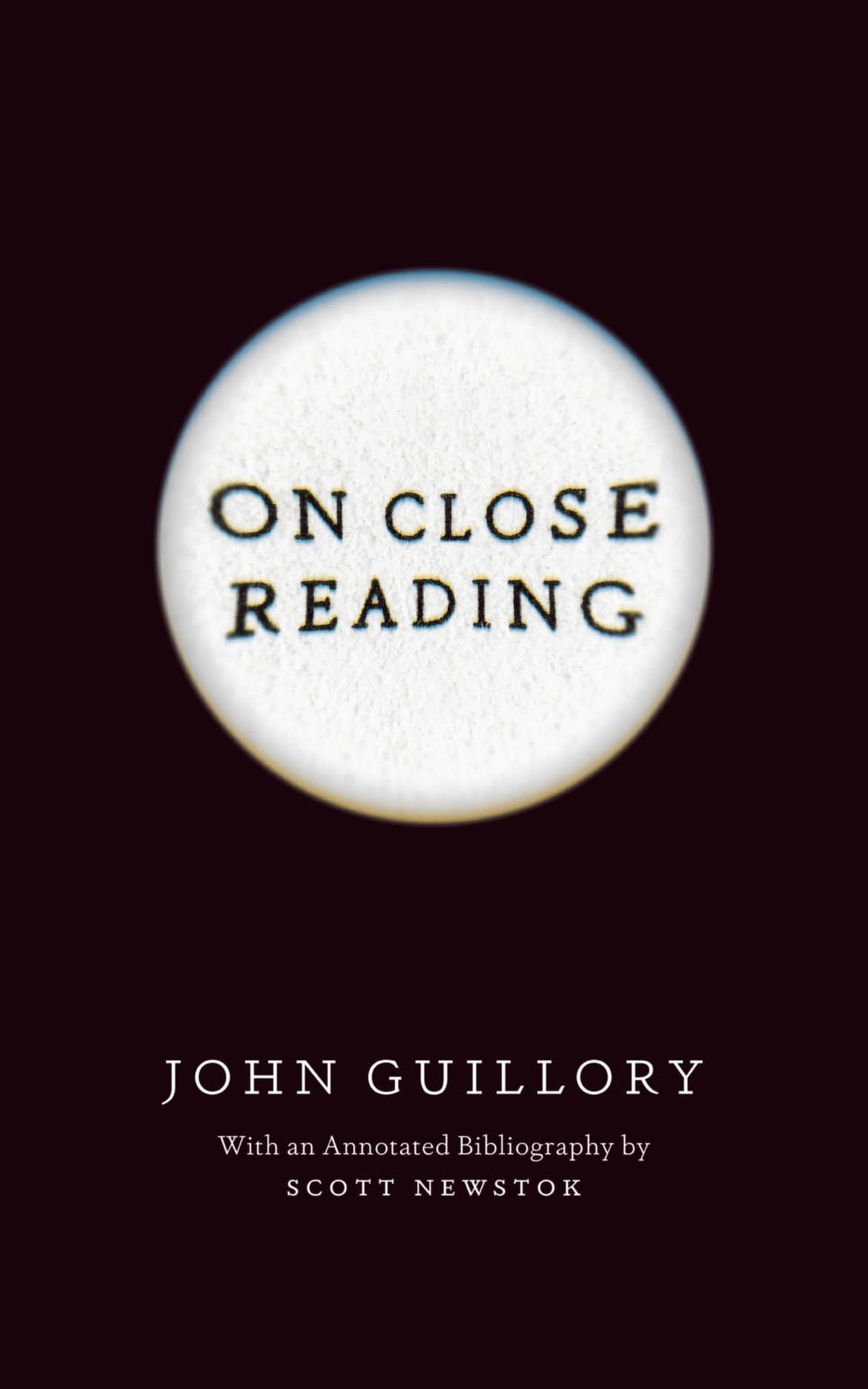 What do swimming, running, bicycling, dancing, pole jumping, tying shoelaces, and reading all have in common? According to John Guillory’s new book On Close Reading, they are all cultural techniques; in other words, skills or arts involving the use of the body that are widespread throughout a society and can be improved through practice. The inclusion of reading (and perhaps, tying shoelaces) may come as a surprise, but it is Guillory’s goal in this slim volume to convince us that reading, and in particular, the practice of “close reading,” is a technique just like the others he mentions. This is his explanation for the questions he explores throughout the book—namely, why the practice of “close reading” has resisted precise definition, and why the term itself was so seldom used by the New Critics, the group of theorists most associated with it.
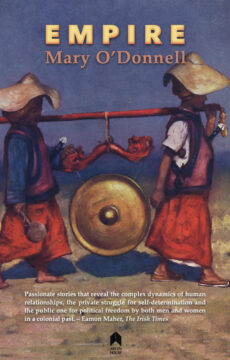 A number of books published in Ireland in the past few years relate to the centenaries of the First World War and the fight for Irish independence. Apart from being an opportunity to sell books, the conjuncture afforded readers an opportunity to reflect while delving into a receding page of history. Mary O’Donnell’s narrative collection Empire includes interlinked short stories dealing with the revolutionary period, along with a novella-length title piece. Notwithstanding its historical tie-in and informative potential, the true raison d´être of this book is the pleasure of reading.
 When I started as a Monday columnist at 3 Quarks Daily in July of last year, my debut