
by Michael Abraham-Fiallos
The day is a collision.
The day is a collision of the body with itself, of the body with the space in which it finds itself, of the body against the sunlight which only ever heralds bad news in a mind like mine. Restlessness seizes all four limbs (an inconsistent phenomenon, brought on today by antipsychotics and an iced coffee), and anxiety churns in the stomach, in the empty spaces of the chest. The eyes look but don’t see; the eyes rush around, from this corner of the room to that corner of the room. The floor is mopped, the bathroom scrubbed. But there is the kitchen to do and a pile of laundry on the bedroom floor. These are little matters. These should not bother so much, I tell myself: “You should breathe. You should listen to your father and refuse to sweat the small stuff.” But, the day is a collision. There is no past to this day, nor is there any future in it. There is only the day, its imbalance, its summertime mad feeling, its ennui. I try sleeping in late to run the clock down, but I don’t sleep. I try to watch a movie to block out the brightness outside, but my toes just tap-tap the floor. I walk the dog, and I feed the cat. I lie down again. But, the body collides with the body, twists and folds and tenses. This is summertime.
You have had days of collision, I’m sure. They’re silly, really, on the other side of them. There is nothing silly about them as they happen however, and there is nothing silly about having the kind of brain which experiences collision less as a matter of the day as it does a matter of the season. I decide finally that what I’ll do is hit the daylight head on, that when it reaches late afternoon, and the day is at its hottest, I’ll go to the pool, Thomas Jefferson Pool on E 112th, in the park. My husband says he would rather nap, and secretly this is good: his day is not a collision; it has the normal dose of future and past in it, the normal dribblings of good cheer. “Why not go by yourself and get it out of your system?” he asks. When he says this, I know he means: get the desire to swim out of your system. I take it differently though. Out of the system, yes; something begs to be expurgated from the system. As I walk to the gas station to buy my summer padlock (you’ve got to have a padlock for the pool, and I lose mine every fall), in my husband’s Nike slides and cute trunks, a Dragonball Z t-shirt and bright pink knock-off Ray Bans, I recognize a kind of pilgrim feeling inside myself, the gentle hush that comes over those who march somewhere sacred. How funny to feel like the public pool is a shrine. I told you: days of collision are silly. Read more »
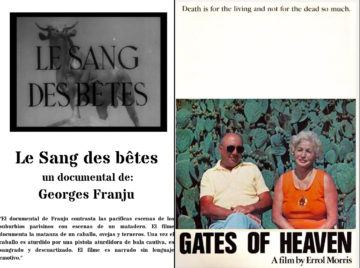 Blood of the Beasts (Le sang des bêtes)
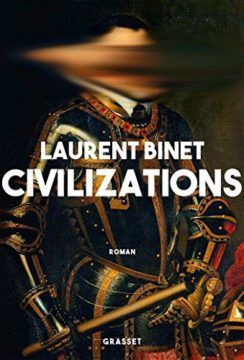 One of my oldest friends, an economic historian who serves as the Academic Director of a museum of Jewish life in northern Germany, is, like me, a child of May; and, during our recent birthday month, as is our custom, we exchanged gifts by post. Since we also share a love of books and history and a taste for grand, occasionally outlandish theory, as well as an abhorrence for futuristic science fiction, the novels we sent each other were in equal measures fantastical and backward-looking: examples of counterfactual historical fiction, what has come to be known as uchronia, the imaginative remaking of a bygone era that is the temporal counterpart to utopian geography.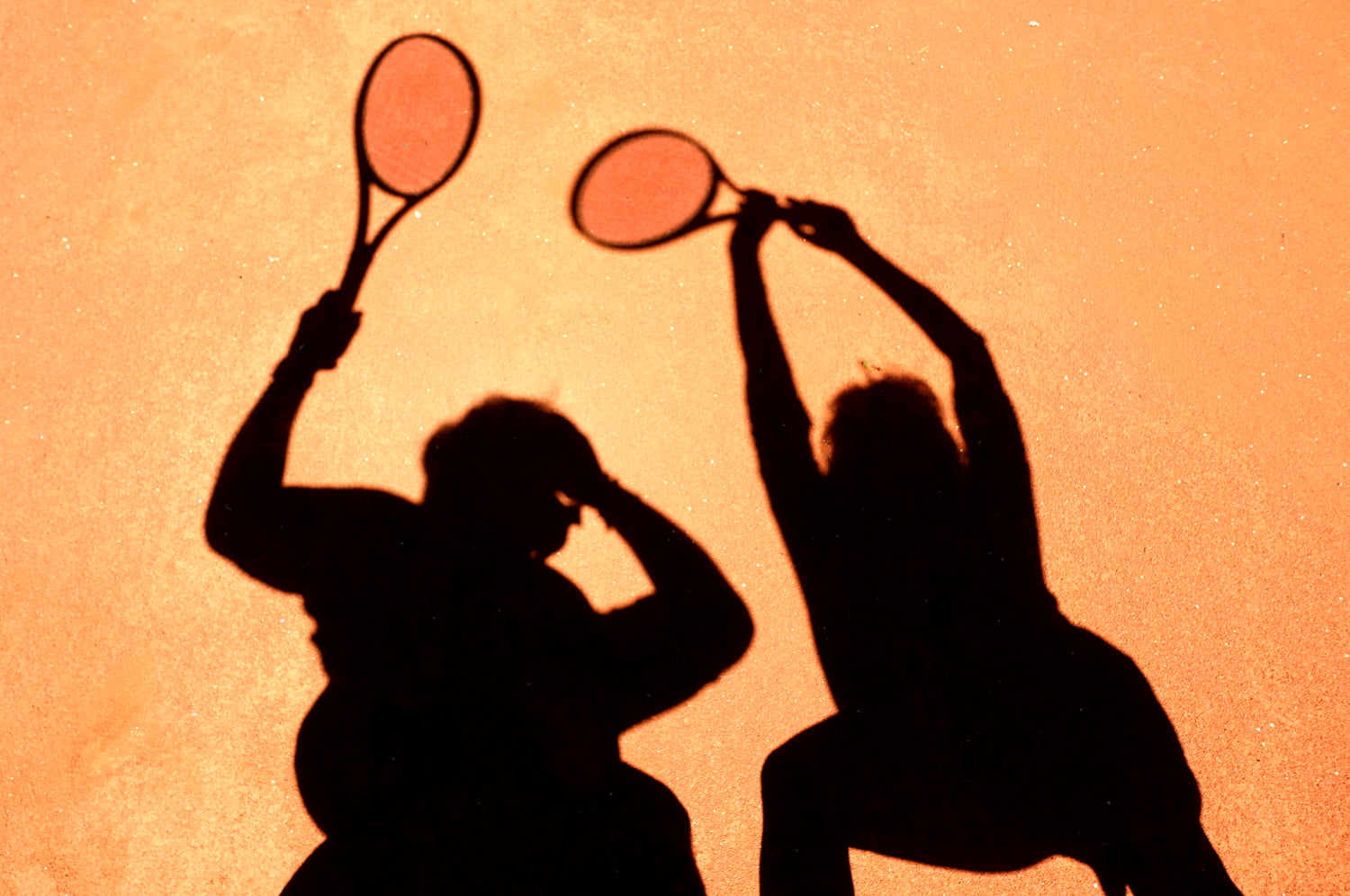
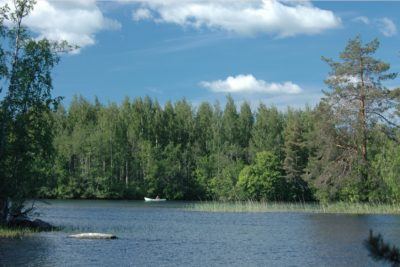 It wasn’t effortless but we managed to mollify, sidestep and defy enough authorities to be legally resident in Finland for the month of July. Never mind shoes and belts off and toothpaste in a plastic bag. No, do mind; do that too. But add PCR test results, Covid vaccination cards and popup, improvised airport queues. And a novel Coronavirus variant: marriage certificates on demand.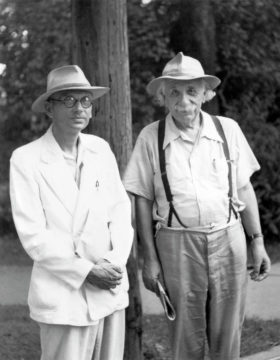
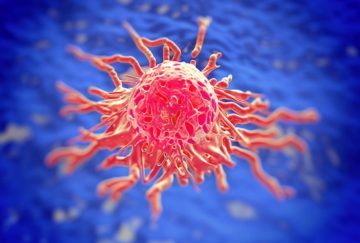 Cancer has occupied my intellectual and professional life for half a century now. Despite all the heartfelt investments in trying to find better solutions, I am still treating acute myeloid leukemia patients with the same two drugs I was using in 1977. It is a devastating, demoralizing reality I must live with on a daily basis as my entire clinical practice consists of leukemia patients or leukemia’s precursor state, pre-leukemia. My colleagues, treating other and more common cancers, are no better off. I obsess over what I have done wrong and what the field is doing wrong collectively.
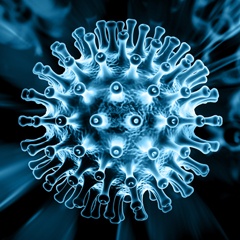 Covid-19 has led to various reactions akin to the various phases in the process of grieving.
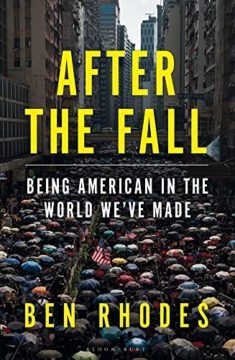 Many of us read with interest Ben Rhodes’ insider account of his time as a speech writer and advisor to Barack Obama during that historic presidency in his book The World as It Is: Inside the Obama White House. There were suggestions of his displeasure at some aspects of US politics in that publication, as for example the racism he thought Obama was subjected to while in office. His new book After the Fall: Being American in the World We’ve Made, goes further and is a clearer articulation of his concern about US and international politics. The conclusions he draws could be viewed as a personal coming of age in his understanding of the impact of American foreign policy on the world, and indeed experiencing and confronting more realistically, the ‘darker’ angels in US domestic politics.
 In 1994, Chauvet cave was discovered near the township of Vallon-Pont-d’Arc in southern France. The cave is a