
by Bill Murray
 If you’d like to start at the beginning, read Part One here.
On a piercing-bright, dripping-humid Irrawaddy delta morning in the 1990s, wild, screeching fowl wheeled over trucks full of boys in Chinese dragonheads banging on the side panels, driving in circles, celebrating the new year. The year of the pig had just begun.
The Yangon – Thalyin bridge was three two-and-a-half kilometer, Chinese-built lanes, one in each direction with a rail track separating them in the middle. Having just one lane on a bridge doesn’t keep anybody from passing, of course.
From China all the way around southeast Asia to here, the technique for driving is the same: If you get out around the car in front of you fast enough, you present the oncoming drivers with a fait accompli: I am tying up the entire highway in front of you, so you have no choice but to brake and let me merge in front of the guy beside me.
Naturally the oncoming traffic plots to do the same, and tranquility seldom reigns. Yet in the middle of it all, whole Burmese families plodded by on ox carts or old blue Ford or Dodge “buscars” with men and boys stuffed everywhere inside, standing hanging on the back and a dozen more piled on top. Invariably they all broke into wide smiles and waved madly as they wheezed past. Read more »
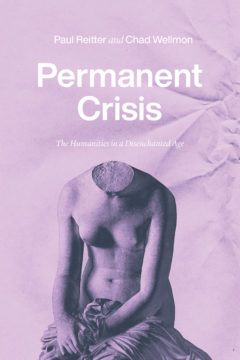
 ‘
‘ In
In 
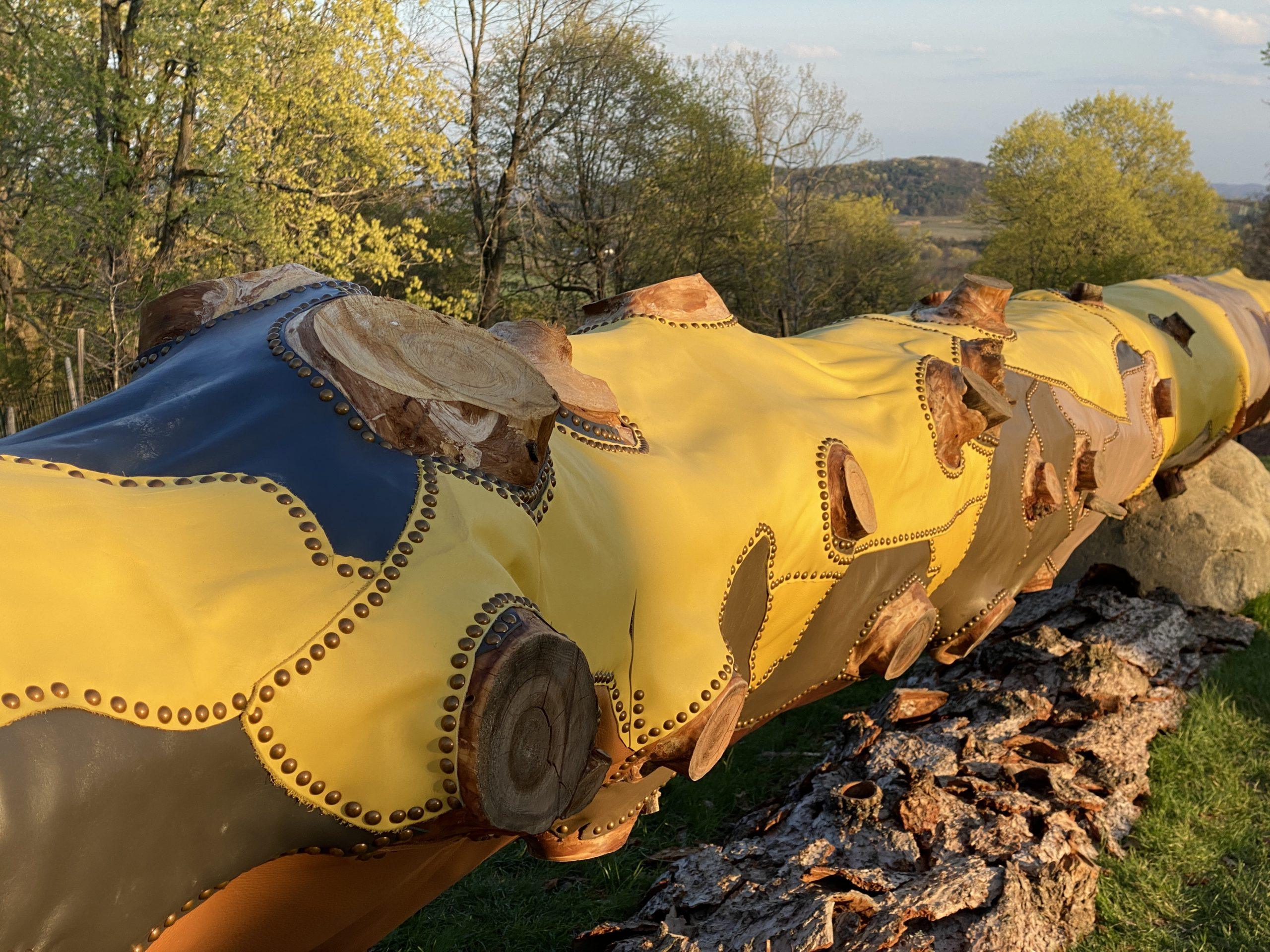 Jean Shin. Fallen. Installation at Olana State Historic Site, New York.

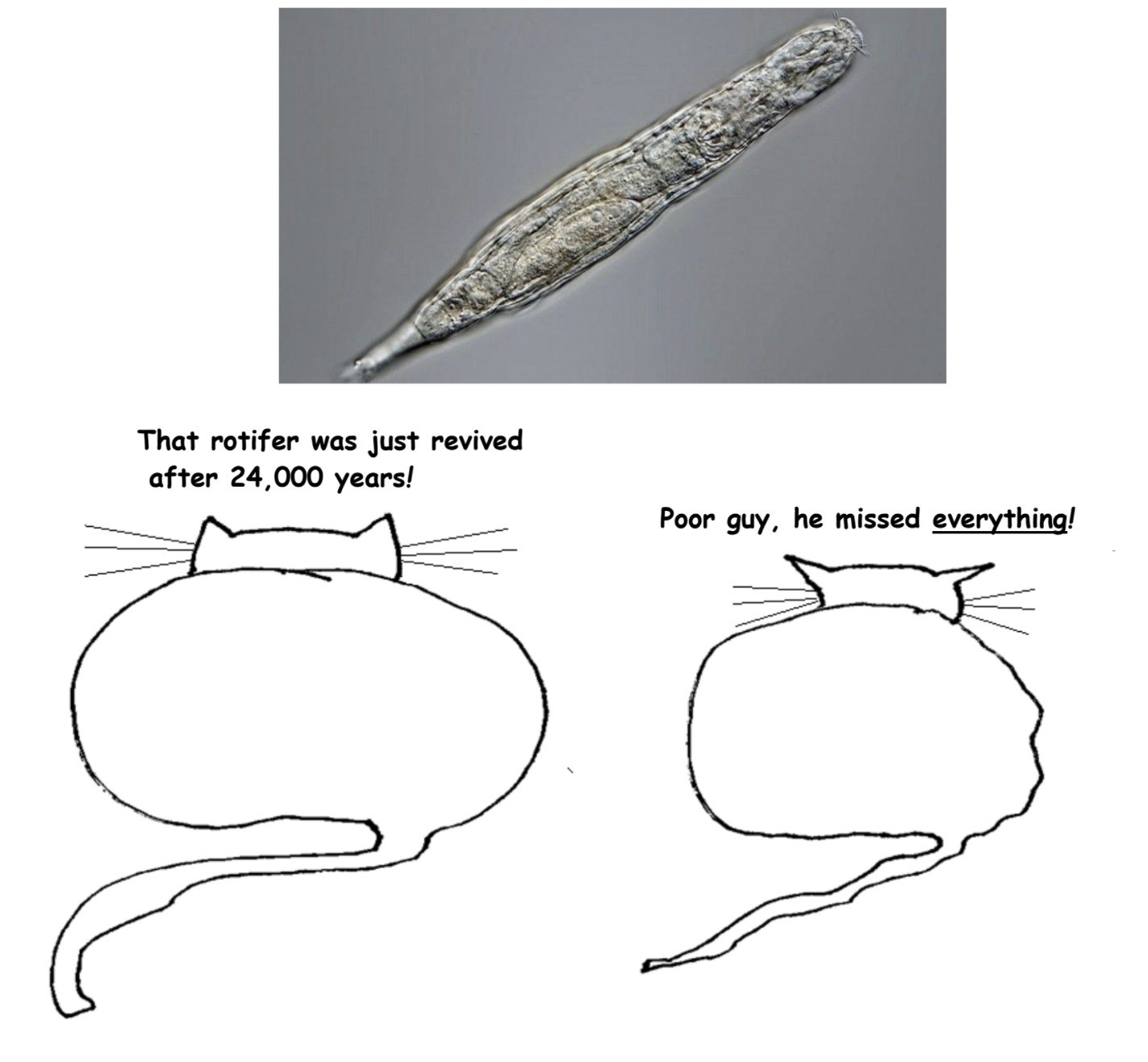


 Time isn’t what it used to be. The pandemic has altered our perception of it. This is why time is no longer quite as valuable as it was before we were suddenly assaulted with too much of it. It used to be a commodity in short supply. It’s even been called a currency (time is money), but the reverse was never true. No matter how many billions Mr. Bezos has, he has no more hours in his day than I do.
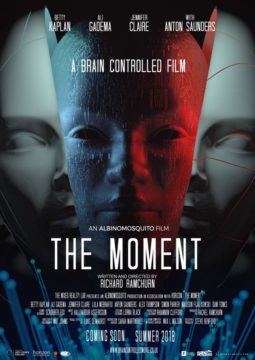 The evidence that mass media can cause physiological responses in humans is so evident in our everyday experience that it’s easy to ignore. Subliminal muzak makes our fingers tap lightly on our grocery carts. Billboards with sexy models flush our cheeks during our daily commutes. But not all such stimuli are subtle. For those media products whose main purpose is to cause a physiological response, genre labels serve as warnings—e.g., we label items that make us laugh as comedy, items that turn us on as pornography, or items that trigger our fight-or-flight response as horror. Modern people have complex attitudes toward media that invoke a physiological response, and practitioners of such genres alternatively experience intense celebration and intense censure.
 Some decades back the typical voting pattern in many democracies used to be that the rich and upper middle classes used to vote in general for right-leaning parties, while the relatively poor voted for left-leaning parties. But in recent decades this pattern has been shifting: many of the professional or more educated voters in some of those countries are increasingly going for left or green parties, while many of the poor working-class voters are turning to right-wing parties, sometimes led by populist demagogues. Thomas Piketty and his associates in a new paper issued by the World Inequality Lab have provided data to show that for 21 western democracies the more educated voters have over the years become more left supporters than the less-educated voters. Piketty has described this elite division between high-education and high-income people colorfully as that between the Brahmin Left and the Merchant (the corresponding Indian caste term would have been ‘bania’) Right. He does not go much into explaining this pattern but it is clear that as education expands (measured by average years of schooling of the adult population) the left or center-left parties now can have a viable base even in the relatively rich or upper middle classes. Education often makes one appreciate more liberal values, which may sometimes outweigh their worries about higher taxes that the left parties may inflict.
 Among all the fascinating mythical creatures that populate the folklore of various cultures, one that stands out is
 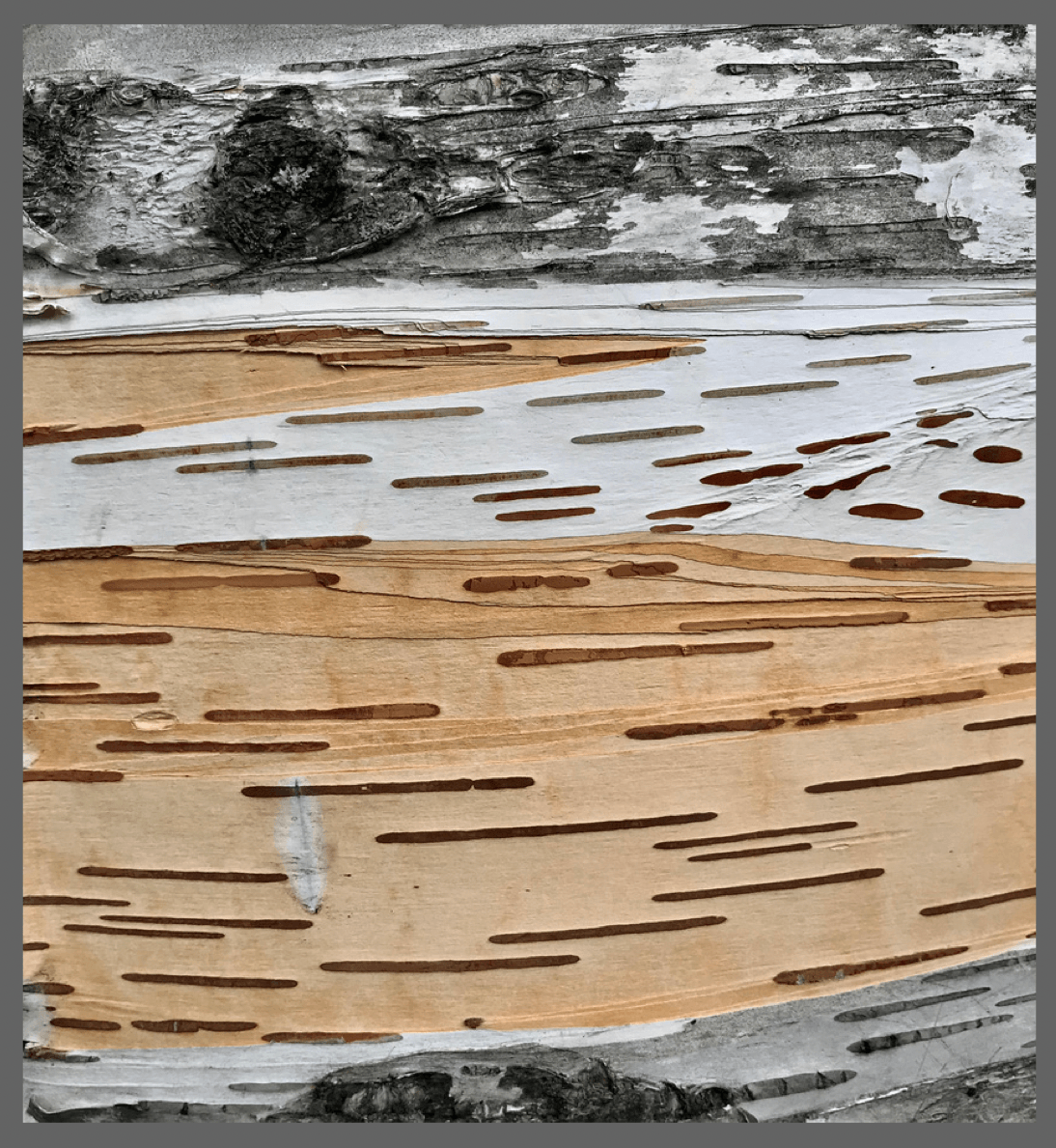 Sughra Raza. Beech Bark Landscape. June, 2021.
 Suppose you are Father God, or Mother Nature, or Mother God, or Father Nature — doesn’t matter — and you want to raise up a crop of mammals who can reason well about what’s true. At first you think, “No problem! I’ll just ex nihilo some up in a jiffy!” but then you remember that you have resolved to build everything through the painstaking process of evolution by natural selection, which requires small random shifts over time, with every step toward your target resulting in some sort of reproductive advantage for the mammal in question. Okay; this is going to be hard.
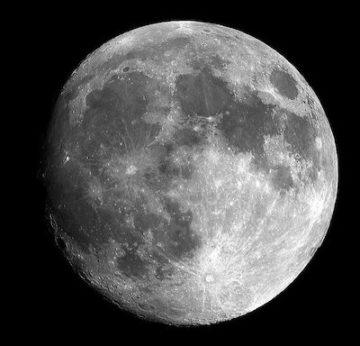 I’ve always loved the name Sinus Iridum (Bay of Rainbows), which describes a beautiful semicircular dark feature on the face of the Moon. Browsing a lunar map reveals other names equally beautiful or evocative: Sinus Concordiae (Bay of Harmony) and Sinus Aestuum (Seething Bay), for example. Other lunar plains with watery names include Mare Anguis (Serpent Sea), Palus Somni (Marsh of Sleep), and Mare Imbrium (Sea of Showers). Montes Harbinger is a group of mountains in Mare Imbrium; when they’re lit by the rising sun, they herald the approach of sunrise to Aristarchus crater.