by Thomas R. Wells
 A large number of jobs exist not because they create economic value but because they make business sense given the institutions we have – customer expectations, bureaucratic regulations, and so on. They do not solve a real problem but a fake problem created by inefficient institutions. They therefore do not make our society better off but rather they represent a great cost to society – of many people’s time being expended on something fundamentally pointless instead of something worthwhile. One way of spotting such anti-jobs is to compare staffing in the same industry across different countries. US supermarkets employ people just to greet customers and bag groceries, for example, which would seem a ridiculous waste of time in most of the world. In Japan one can find people standing in front of road construction waving a flag (they are replaced with mechanical manikins on nights and weekends).
Another way to spot anti-jobs is to to observe the effects of Covid restrictions and look for areas where removing workers or tasks made no impact on performance, or even improved it. Take waiters. In America there are around 2 million people doing this job (1.4% of all employment). The experience of Covid lockdowns shows that much of what waiters do can be done better by pasting a QR code to tables for customers to scan to visit the menu webpage and order and pay directly. Having learned this, it would be ridiculous to go back to employing people to waste their time and their customers’ by doing such fundamentally needless work. We still need some waiters to bring the food and drink we ordered (for now), but we don’t need nearly as many because we don’t need to employ people to ask us what we want and then tell someone else to make it. Read more »




 At ISI we were assigned statistical assistants who’d take our large data analysis jobs to the IBM computer at the Planning Commission, but for relatively small jobs they’d do the calculations themselves by furiously rotating the handles of the small Facit mechanical calculator they each had, you could literally hear the noise of ‘data crunching’. This was before electronic desk calculators came to Indian institutions. I remember buying a small Texas Instruments calculator in a short trip abroad and was quite impressed by its capacity; and I told TN that I did not need to learn the operation of Facit machines, which I saw him cranking all the time. (This reminds me of a British economist, Ivor Pearce, who told me that just before the War he used to work for an accounting firm where they had not yet heard of log tables; he said he finished the whole day’s work in just an hour by using the log table and read books in his office the rest of the time). Of course, I am told today our tiny laptops/smartphones contain computing capacity million times larger than the biggest IBM machines in India at that time.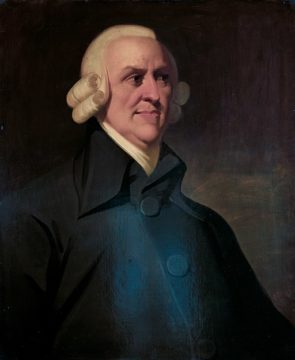




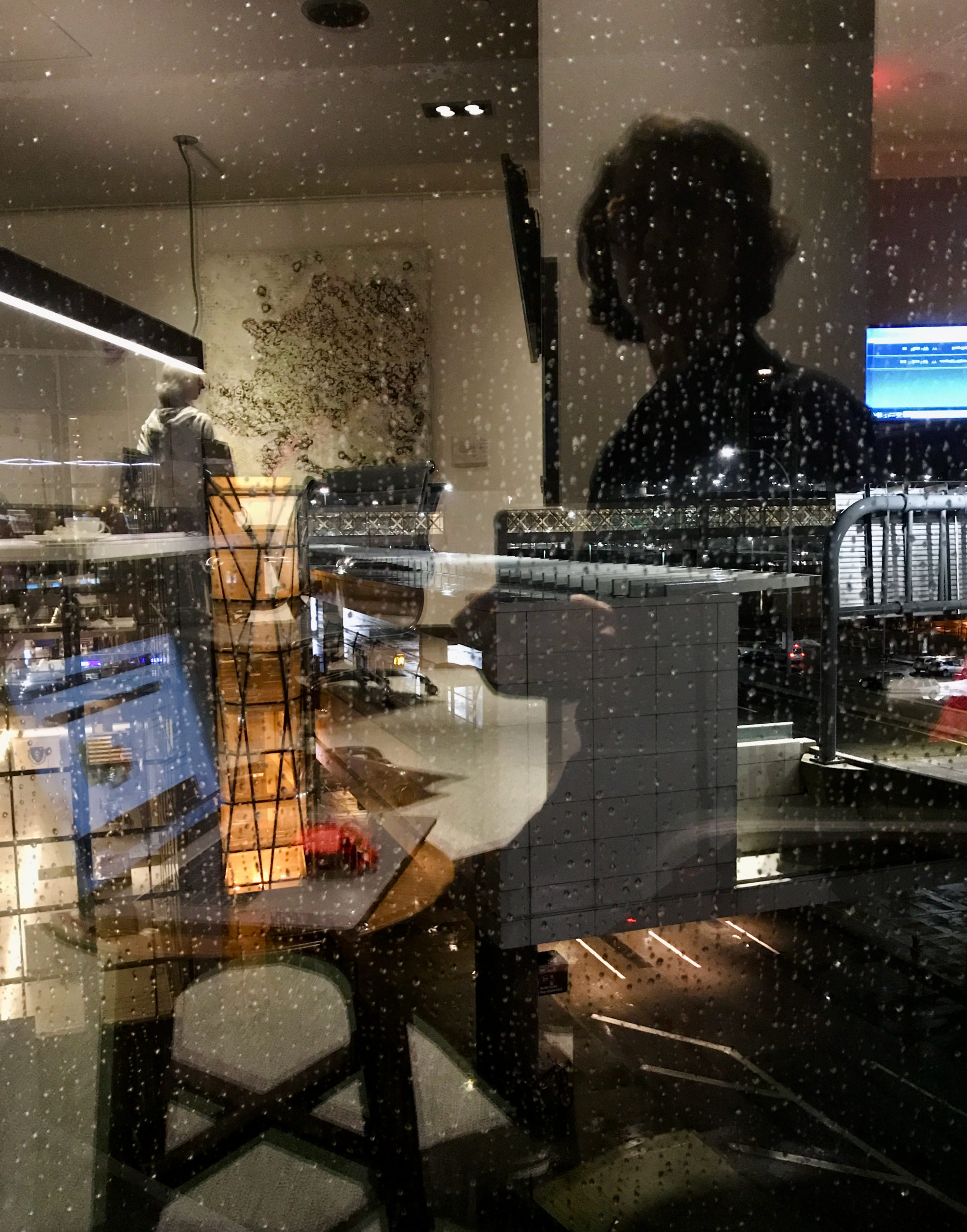 Sughra Raza. Rainy Reflection Self-portrait for 2022.
 January, 2022. East End, Long Island, NY. It’s getting colder. I just recovered from a bout with COVID. I am sitting around the fire pit sipping tequila, drinking homemade bone broth from a mug, and watching lists of very important dead people, ripped from various newspapers and magazines, burn in the fire. Life is good.
 Three things we know about #BLM, two obvious, one a bit more subtle.

 2022 is alive, a babe come hale and hollering to join its sisters 2020 and 2021, siblings bound by pandemic. Everybody stood to see off 2022’s older sister 2021, like we all did 2020 before her. Out with the old. Quickly, please.