
by Marie Snyder
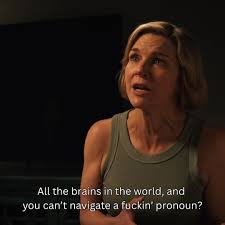 The recent show Pluribus has got me thinking differently about the kind of ideal state that might be a laudable direction and how to get there. The show is overtly about a hive mind interconnection, that started with a lab-leaked experiment, which affects almost all of the world except for 13 people who have natural immunity. We follow the trajectory of one of these anomalies, Carol, who gives them their titular name, not for “many,” a direct translation, but as her own invention: “the plural of succubus.”
There will be no significant spoilers here; this isn’t about the show specifically, but about its depiction of a perfectly efficient and seemingly happy and altruistic society. Is Carol the last one left in the cave, or is she the only one who’s on the outside?
The hive all works together effortlessly as one, with a prime directive to do no harm, as they distribute food worldwide with the utmost equity. They don’t step on bugs or swat flies. They will eat meat if it’s already dead, but they won’t kill it themselves. They also won’t pluck an apple from a tree. They don’t interfere with life. They can’t lie overtly. It’s all very pleasant. The hive won’t harm a living body; however, they didn’t mind obliterating the human spirit of 8 billion people without explicit consent, rendering their ethics questionable.
Connections to the show have been made with AI and Covid, so it may be useful to keep in mind that the show was originally written over ten years ago. If looking for authorial intent, those aren’t necessarily parallels. At that link, the lead of the show, Rhea Seehorn said she originally asked if it’s about addiction, and it’s not that either. There’s an element of just exploring human nature and what brings us happiness, and she likes journalists who “want to talk about philosophical questions about what this is bringing up for them. And we’re hearing all these different things. It’s wonderful.” I’m game! Read more »
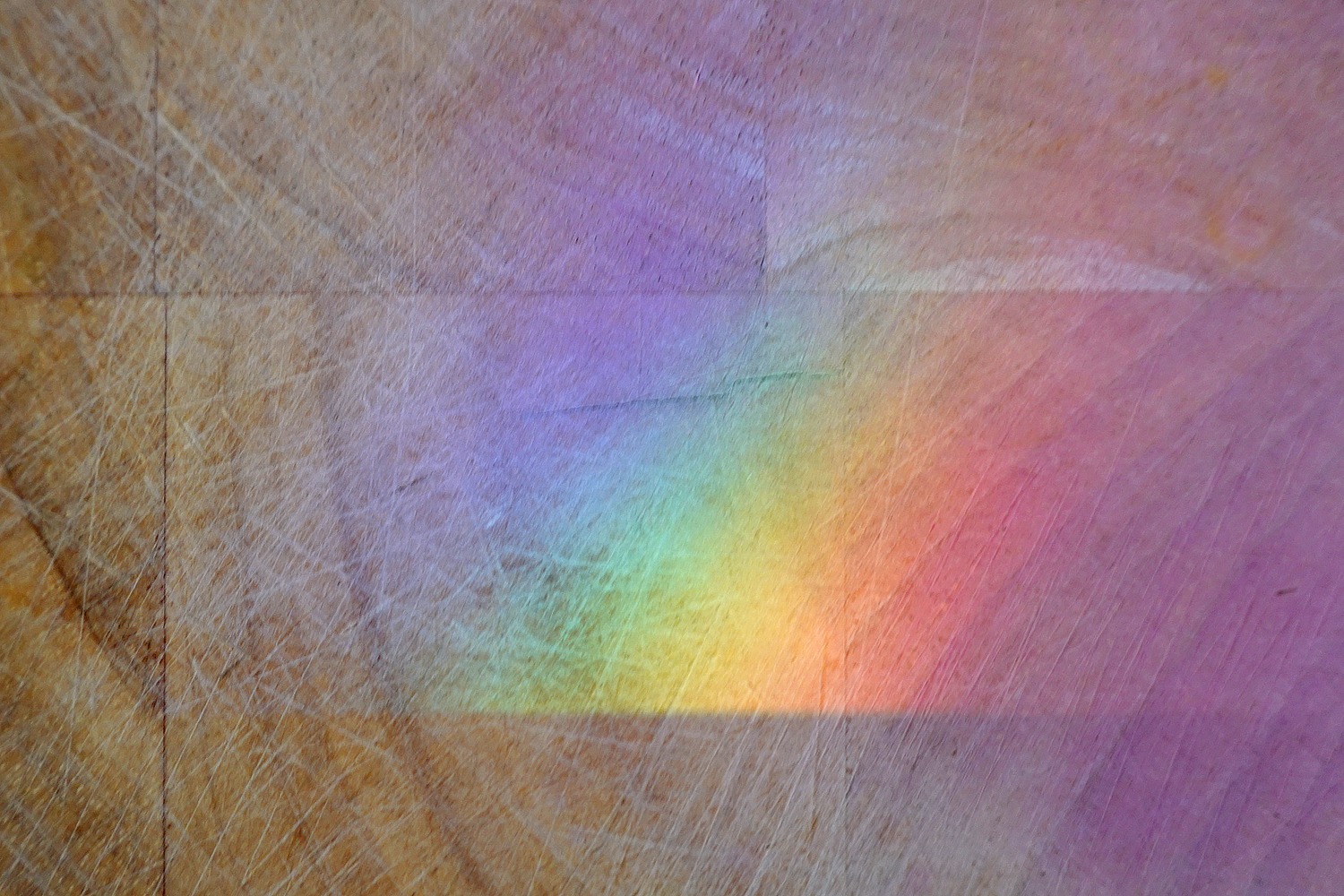
 Sughra Raza. Landings, Dec 23, 2025.
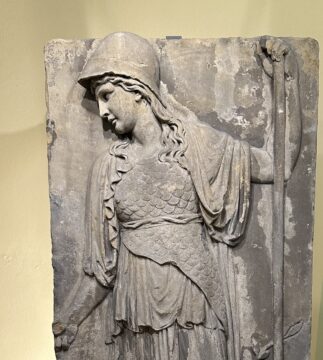 At the end of each of the past twelve years I have written a long rhyming ballad, reviewing the period coming to a close, giving thanks for some events and lamenting others. I began in December 2013, while I was recovering from a lengthy illness; and I recited what would be the first of a series at a family New Year’s Eve party, among some of those whose support had been indispensable to the recrudescence of my health, and to whom I therefore wished to express my gratitude.

 Let’s grant, for the sake of argument, the relatively short-range ambition that organizes much of rhetoric about artificial intelligence. That ambition is called artificial general intelligence (AGI), understood as the point at which machines can perform most economically productive cognitive tasks better than most humans. The exact timeline when we will reach AGI is contested, and some serious researchers think AGI is improperly defined. But these debates are not all that relevant because we don’t need full-blown AGI for the social consequences to arrive. You need only technology that is good enough, cheap enough, and widely deployable across the activities we currently pay people to do.


 Last Saturday was the 20th anniversary of the day on which Judge John Jones III handed down

 If poets are to take Imlac’s advice – and I’m not necessarily sure they should – then the proper season for doing so must be winter. No streaks of the tulip to distract us, and the verdure of the forest has been restricted to a very limited palette. Then the snow comes, and the world becomes a suggestion of something hidden, accessible only to memory or anticipation, like a toy under wrapping. Perhaps “general properties and large appearances” are accessible to us only as we gradually delete the details of life; we certainly don’t seem to have much access to them directly. This is knowledge by negation; winter is the supreme season for apophatic thinking.
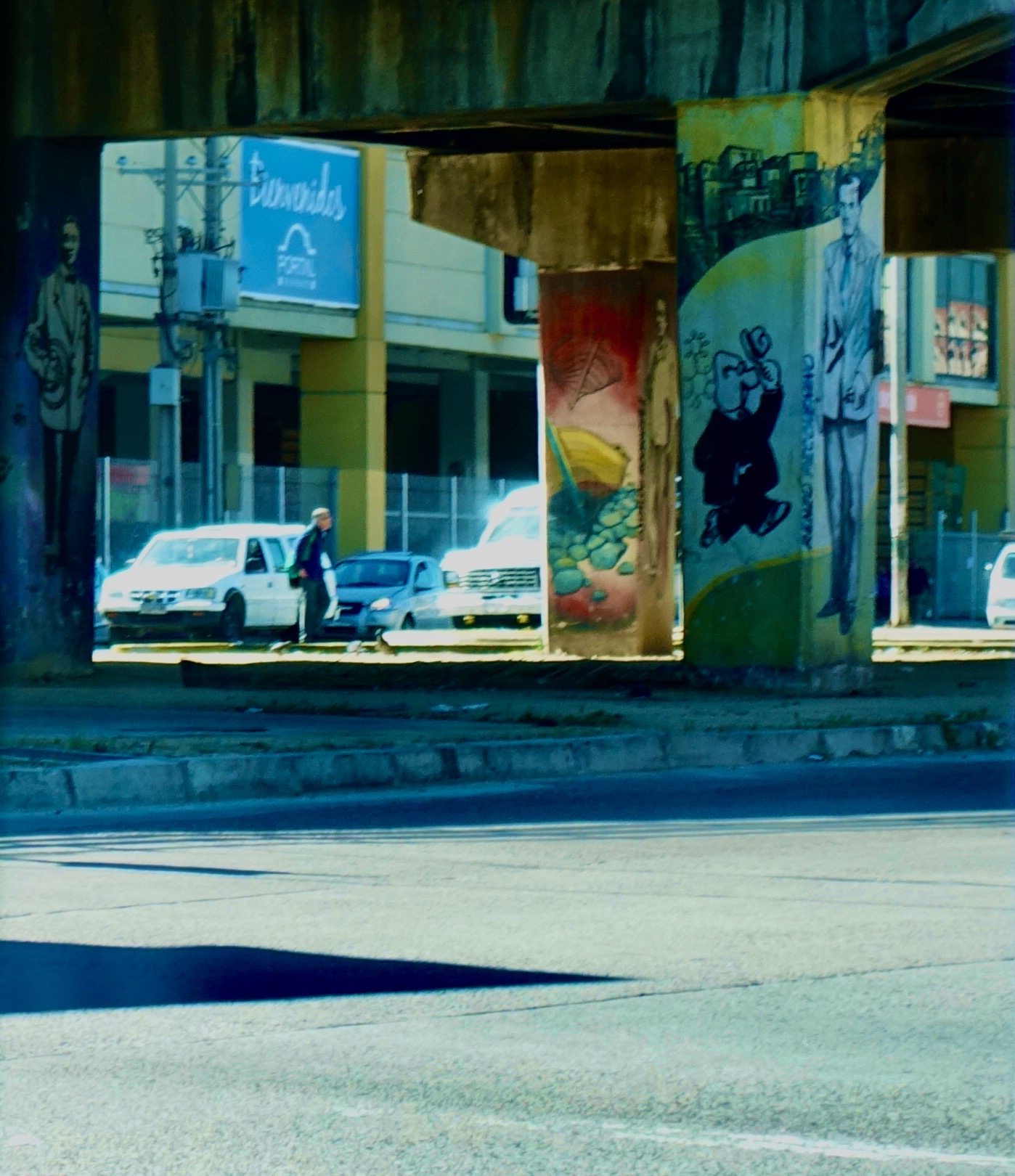 Sughra Raza. Underbelly Color and Shadows. Santiago, Chile, Nov, 2017.