by Michael Liss
Whoever attentively considers the different departments of power must perceive, that, in a government in which they are separated from each other, the judiciary, from the nature of its functions, will always be the least dangerous to the political rights of the Constitution; because it will be least in a capacity to annoy or injure them. –Alexander Hamilton, Federalist 78
 It’s my oldest memory. I am three, standing harnessed between my parents, in a brand-new two-seater 1959 Jaguar convertible roadster. We are on an empty gravel road someplace in Virginia and my Dad decides to let his new baby fly. I can see In front of me the windshield and, below, a gray leather dashboard that has two things of great interest…a speedometer and a tachometer. The motor hmmmmmms as he takes the car through the forward gears, the tachometer first rising and then falling, the speed increasing. The big whitewall tires are crunching the rough road; cinders are flying; we hit 60 MPH, then 70, then 80; and I’m clapping my hands and piping out “Faster, Daddy! Faster!” My mom goes from worried to furious “Slow down, Ernie, slow down!” As he passes 90, I look down for a moment and she’s slapping her yellow shorts. I peek at the rearview mirror and see a huge cloud of dust. 95, 100, and finally 105. Then without warning, and without using the brakes, he starts to slow, gradually downshifting; the speedometer and tachometer fall; and that’s where my memory ends.
I have been thinking about writing a Supreme Court piece since the conservative bloc’s muscle-flexing on Texas’s SB-8 abortion law, and, each time I do, the memory of that beautiful sportscar flying down the road keeps gnawing at me. The thrill of it, the uncertainty, the obvious danger. My Dad’s going through whatever decision-making process he did to start, continue, and end.
We’ve got a new Sheriff in town, a new driver for that beautiful car. Justices Thomas, Alito, Kavanaugh, Gorsuch and Barrett are taking the wheel and the throttle. Just where is their ultra-conservative vision taking us, and at what cost? Read more »
 The peopling of Polynesia was an epic chapter in world exploration. Stirred by adventure and hungry for land, intrepid pioneers sailed for days or weeks beyond their known horizons to discover landscapes and living things never before seen by human eyes. Survival was never easy or assured, yet they managed to find and colonize nearly every spot of land across the entire southern Pacific Ocean. On each island, they forged new societies based on familiar Polynesian models of ranked patrilineages, family bonds and obligations, social care and cohesion, cooperation and duty. Each culture that arose was unique and changeable, as islanders continually adjusted to altered conditions, new information, and shifting political tides. Through trial and hardship, most of these civilizations—even on some of the tiniest islands, like
 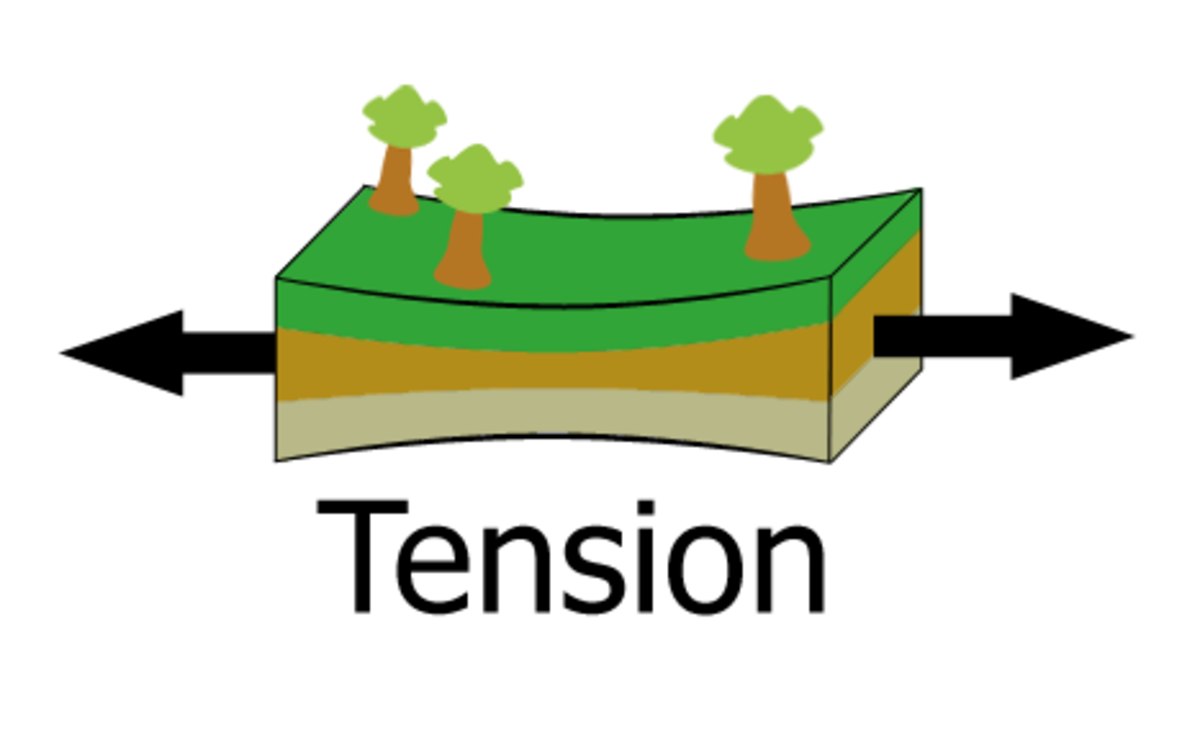 The United States has always faced a fundamental tension. On one side are those who champion, enforce, and/or profit from hierarchies of power: white supremacist racism, sexist patriarchy, Christian fundamentalism, and capital concentrations chief among them. Arrayed against these hierarchies of power are people who promote and work for racial equality, gender and sexual equality, cultural tolerance, the amelioration of poverty, and genuine freedom both for and from religious beliefs and practices.

 By a happy chance, the section I was invited to read from, alongside Andreas Flückiger and William Brockman, two associates of the Foundation, at the

 After my several visits to Kerala, I wrote up an article, “On Life and Death Questions in India” for EPW, where I highlighted the welfare and demographic achievements of Kerala, the most advanced region in India in terms of many indicators of social democracy. Soon Raj and his colleagues (including my friend, T.N.Krishnan) produced a large, quantitative report for the United Nations Development Program, which brought to international attention the so-called Kerala model of development.

 that this Group
  that these signatories include 17 members of Imperial’s own Faculty, Faculty at 11 other universities and research institutes, 19 Fellows of the Royal Society as well as several members of comparable overseas bodies, 4 Sirs, a Nobel Prize winner (
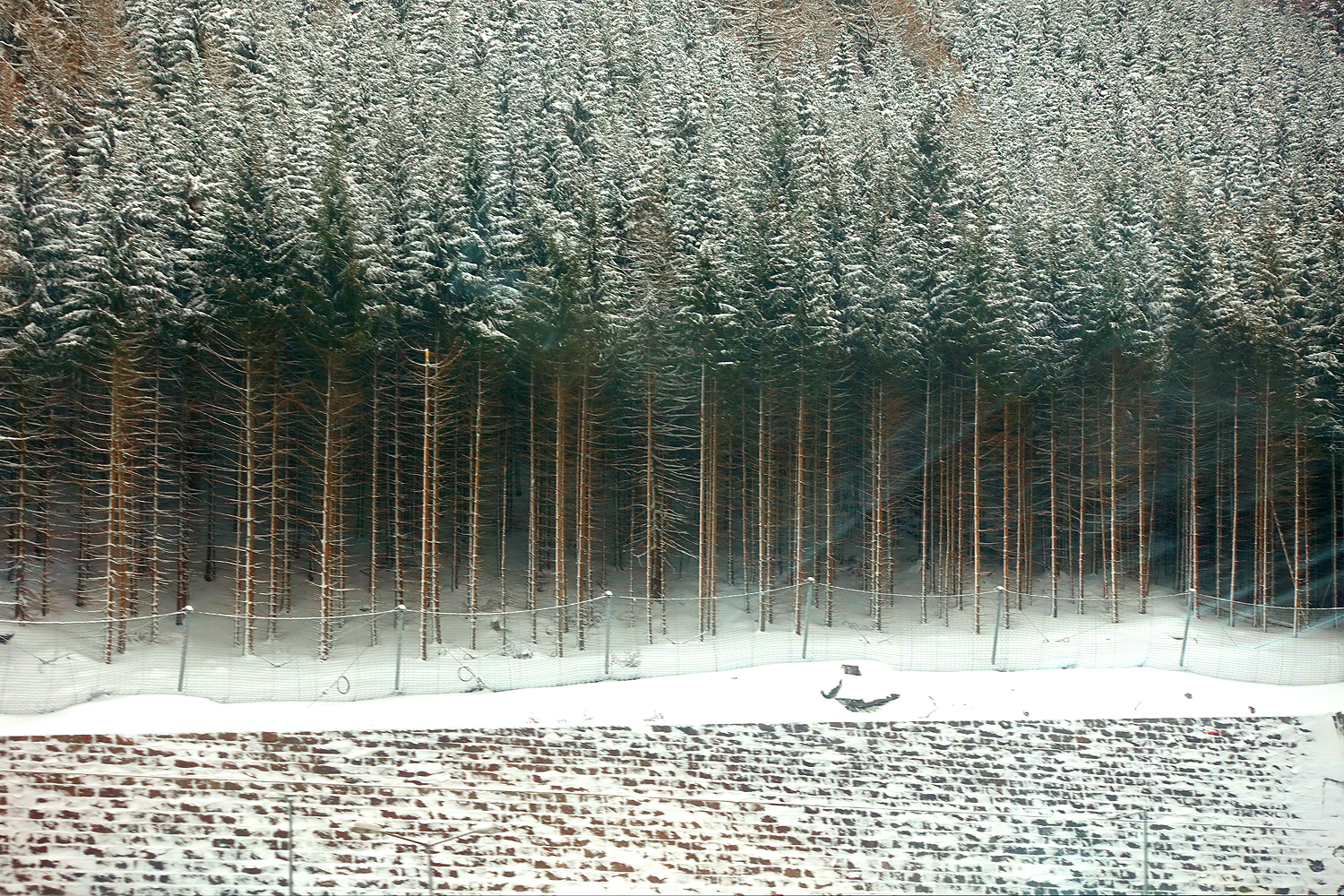
 Sughra Raza. Bey Unvaan. February, 2022.