
by Pranab Bardhan

The recent spectacular rise of extreme right-wing parties in Italy and Sweden and the squeaking narrow victory of Lula in Brazil have revived the puzzle that in the face of economic crisis and rising inequality the working classes are often turning politically right, instead of left. This is as prevalent in developing countries as in the rich countries of North America and Europe. One difference between the two sets of countries may be that while in rich countries this trend is markedly among less-educated, older, and more rural workers, in some developing countries, say India, this is also the case for more educated, aspirational, urban youth. The other difference between the two sets of countries is that working classes in developing countries are now in general more pro-globalization than in developed countries—more pro-globalization in Vietnam, Bangladesh, Nigeria and India, than say in France or US, as surveys of attitudes to globalization show.
But in both sets of countries large numbers of workers (and peasants), defying the usual pre-suppositions about inequality, have rallied under right-wing leaders who are often plutocrats, like Erdoğan, Orbán, Trump, Le Pen, or Nigel Farage (the original Brexit leader). In India the poor supporters of Modi do not care much that he is cozy with some of the richest Indian billionaire businessmen in the world. Workers are worried more about the rise in insecurity in their own lives, and do not seem to care much about the rising wealth of the top 1 percent. And this insecurity is not just about economic insecurity in terms of their jobs and incomes but also cultural insecurity of one kind or another, as I have illustrated in my recent book A World of Insecurity: Democratic Disenchantment in Rich and Poor Countries (Harvard University Press and Harper Collins India, 2022).
There is, however, an important difference between the US and other countries on right-wing attitude to economic insecurity. Read more »
 “My account omitted many very serious incidents,” writes Bertrand Roehner, the French historiographer whose analysis on statistics about violence in post-war Japan I used in my Graywolf Nonfiction Prize memoir, Black Glasses Like Clark Kent. He began emailing me at this September about a six-volume, two thousand page report concerning Japanese casualties during the Occupation that has just been released in Japanese after sixty years of suppression.
 I like to vote in person on Election Day. I’m sentimental that way. My polling precinct is at the local elementary school. So last Tuesday, I woke up early, dressed and got out the door in a rush, and arrived to find not the expected pastiche of cardboard candidate signs and nagging pamphleteers, but rather a playground full of 2nd graders.
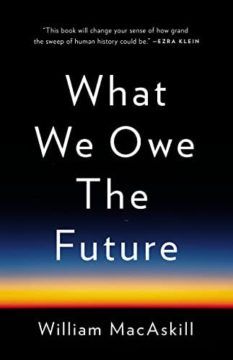 I’m not sold on longtermism myself, but its proponents sure have my sympathy for the eagerness with which its opponents mine their arguments for repugnant conclusions. The basic idea, that we ought to do more for the benefit of future lives than we are doing now, is often seen as either ridiculous or dangerous.
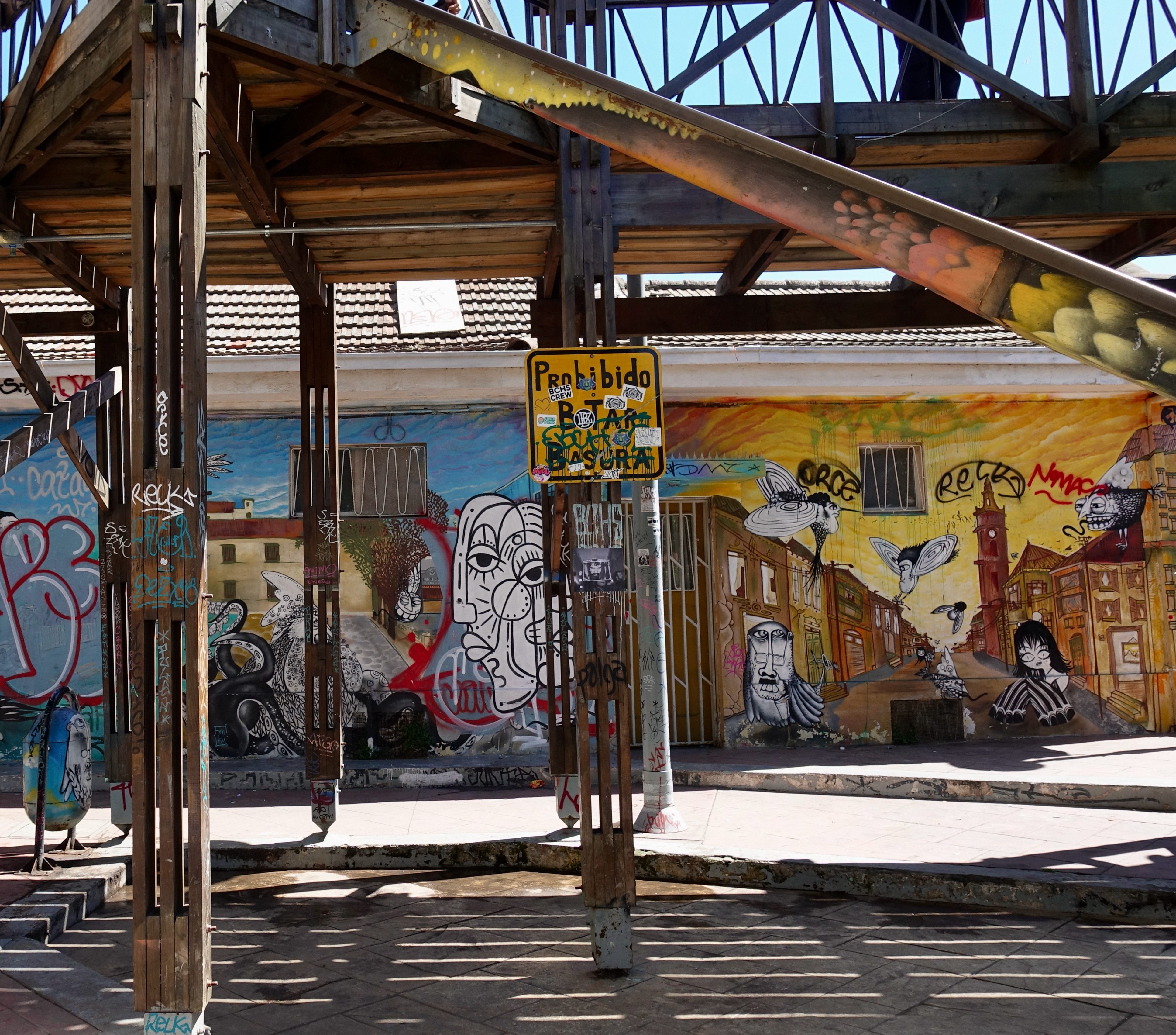 Sughra Raza. Valparaiso Expressions. Chile, November 2017.
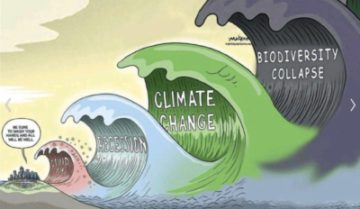 Climate change and covid are revealing an ongoing inability for our society to make wise decisions in the face of calamity, which may be leading us to a collapse of our civilization. Perhaps if we accept (or just believe) that we’re nearing the end, we can shift our priorities enough to usher in a more peaceful and equitable denouement.






 Now there is a